Today’s questions revolve around March 21st and follow the 5W1H format: Who, What, Where, When, Why and How. This results in six questions instead of the usual five.
Who
In a 1980 television series finale, who shot J.R.?
Answer: Kristin Shepard.
’Who shot J.R.?’ is a catchphrase from the 1980 season finale of Dallas, referring to the fictional murder attempt on J.R. Ewing. The mystery, resolved eight months later, became a pop culture phenomenon and increased the popularity of cliffhanger endings. Kristin Shepard, played by Mary Crosby, was J.R.’s sister-in-law and mistress.
What
What did Jack Dorsey use to end the first public tweet in 2006: ‘just setting up my ——’?
Answer: twttr.
Twitter (originally Twttr), launched in 2006, quickly grew to over 100 million users by 2012. Initially limited to 140 characters per post, the limit was increased to 280 in 2017 and removed for subscribed accounts in 2023.
Represented by this flag, where, in 1990, gained independence after a combined period of 106 years German and then South African rule?
Answer: Namibia.
Namibia, a sparsely populated country in Southern Africa, gained independence from South Africa in 1990. Despite significant GDP growth, poverty and inequality remain high, with a Gini coefficient of 59 in 2015. The economy is based on agriculture, tourism, and mining, with a small manufacturing sector.
When
When was Gary Oldman’s year of birth?
Answer: 1958.
Gary Oldman, an English actor and filmmaker, is known for his versatility and intense acting style. He has received numerous accolades, including an Academy Award, and his films have grossed over $11 billion worldwide. Oldman began his career in theatre and rose to prominence in British film, later achieving greater recognition in American films and franchise roles.
Why
Why, in 1980, did U.S. President Jimmy Carter announce that the United States was boycotting that year’s Summer Olympics in Moscow?
Answer: Soviet invasion of Afghanistan.
The 1980 Moscow Olympics, boycotted by the U.S. and 60 other countries due to the Soviet invasion of Afghanistan, saw 5,000 athletes from 81 countries compete amidst ongoing protests and security concerns.
How
How many visitors, according to the U.S. National Park Service, visit Alcatraz annually (to the nearest 100,000)?
Answer: 1.2 million.
Golden Gate National Recreation Area, established in 1972, includes Alcatraz Island, attracting 1.2 million visitors annually. The island offers a unique opportunity to explore its layered history and contemplate crime and punishment.
Today’s questions revolve around March 21st and follow the 5W1H format: Who, What, Where, When, Why and How. This results in six questions instead of the usual five.
Who
In a 1980 television series finale, who shot J.R.?
What
What did Jack Dorsey use to end the first public tweet in 2006: ‘just setting up my ——’?
Image Wikimedia Commons
Where
Represented by this flag, where, in 1990, gained independence after a combined period of 106 years German and then South African rule?
When
When was Gary Oldman’s year of birth?
Why
Why, in 1980, did U.S. President Jimmy Carter announce that the United States was boycotting that year’s Summer Olympics in Moscow?
How
How many visitors, according to the U.S. National Park Service, visit Alcatraz annually (to the nearest 100,000)?
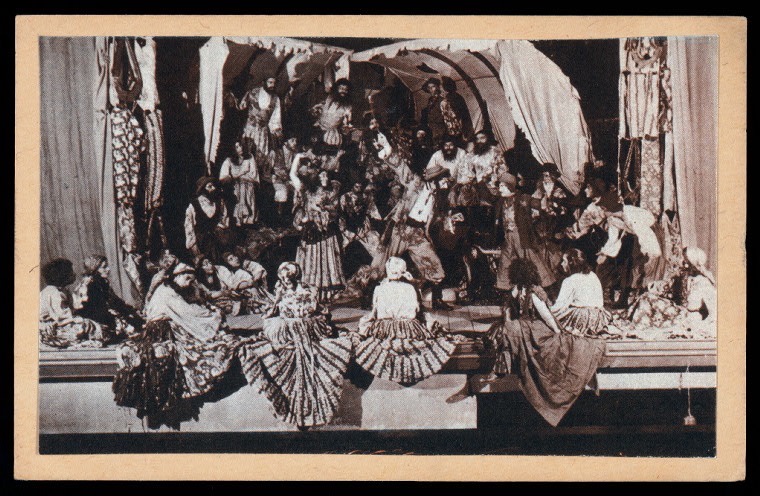
The first Romani language operetta, Children of the Forests, premiered on 20 March 1888. Where was it staged?
Bucharest, Romania
Kyiv, Ukraine
Moscow, Russia
Answer: 3. Moscow, Russia.
The premiere of the very first Romani language operetta Children of the Forests was staged in the Maly Theatre, Moscow, Russia on 20 March 1888. It was performed solely by the Romani troupe. The production ran for 18 years and was a great success. The first Romani theatre troupe, founded by Nikolai Shishkin, performed in Moscow and Saint Petersburg in the late 19th century. The troupe’s success led to the establishment of the Romen Theatre in Moscow in 1931.
Two
In 1923, the Arts Club of Chicago hosted the United States’ first showing of Original Drawings by… This event signalled the club’s early embrace of modern art in America. There is an artist’s name missing from the show’s title: who is the artist?
Salvador Dali
Pablo Picasso
Jackson Pollock
Answer: 2. Pablo Picasso
The Arts Club of Chicago, founded in 1916, is a private club and public exhibition space dedicated to showcasing international contemporary art. The club, known for its pro-Modernist stance, has presented groundbreaking exhibitions by artists like Pablo Picasso and Jean Dubuffet. It curates its own exhibits, emphasising cutting-edge and avant-garde art.
Three
Harriet Beecher Stowe’s Uncle Tom’s Cabin was first published on this date in 1852. Between 1832 and 1850 she lived in a city where her personal observations and research informed the basis of her story. Where was this city?
Alexandria, Virginia
Baltimore, Maryland
Cincinnati, Ohio
Answers: 3. Cincinatti, Ohio.
On this day in 1852, Harriet Beecher Stowe published Uncle Tom’s Cabin as a novel. The book, which had previously been serialised, played a crucial role in shifting public opinion towards abolitionism and contributed to the outbreak of the Civil War.
Four
Who became the first woman to win the Iditarod Trail Sled Dog Race, and when did she achieve this?
Kelly Quinault in 1973
Libby Riddles in 1985
Molly Semyonova in 1997
Answers: 2. Libby Riddles in 1985
The Iditarod Trail Sled Dog Race is an annual long-distance sled dog race in Alaska, covering the distance from Anchorage to Nome in eight to fifteen days. The race, which began in 1973, is a symbolic link to Alaska’s history and a popular sporting event, attracting competitors from around the world. The race is known for its challenging conditions, including blizzards, gale-force winds, and sub-zero temperatures, which with wind chill can reach −100 °F (−73 °C).
Five
Albert Einstein submitted his paper The Foundation of the General Theory of Relativity in 1916. Where was he working at that time?
Federal Institute of Technology, Zurich
Prussian Academy of Sciences, Berlin
Charles University, Prague
Answer: Prussian Academy of Sciences, Berlin.
Albert Einstein was working at the Prussian Academy of Sciences in Berlin when he published The Foundation of the General Theory of Relativity in 1916. He had accepted a position at the Prussian Academy in 1914, specifically to work on his new theory of gravity. The paper was submitted on March 20, 1916, and published later that year in the journal Annalen der Physik. This period marked a significant time in Einstein’s career, as he was developing groundbreaking theories that would change our understanding of gravity and the universe.
All of today’s questions are connected to the date, March 20th. There are three places, two people and a year to find in these multiple-choice questions.
The first Romani language operetta, Children of the Forests, premiered on 20 March 1888. Where was it staged?
Bucharest, Romania
Kyiv, Ukraine
Moscow, Russia
Two
In 1923, the Arts Club of Chicago hosted the United States’ first showing of Original Drawings by… This event signalled the club’s early embrace of modern art in America. There is an artist’s name missing from the show’s title: who is the artist?
Salvador Dali
Pablo Picasso
Jackson Pollock
Three
Harriet Beecher Stowe’s Uncle Tom’s Cabin was first published on this date in 1852. Between 1832 and 1850 she lived in a city where her personal observations and research informed the basis of her story. Where was this city?
Alexandria, Virginia
Baltimore, Maryland
Cincinnati, Ohio
Four
Who became the first woman to win the Iditarod Trail Sled Dog Race, and when did she achieve this?
Kelly Quinault in 1973
Libby Riddles in 1985
Molly Semyonova in 1997
Five
Albert Einstein submitted his paper The Foundation of the General Theory of Relativity in 1916. Where was he working at that time?
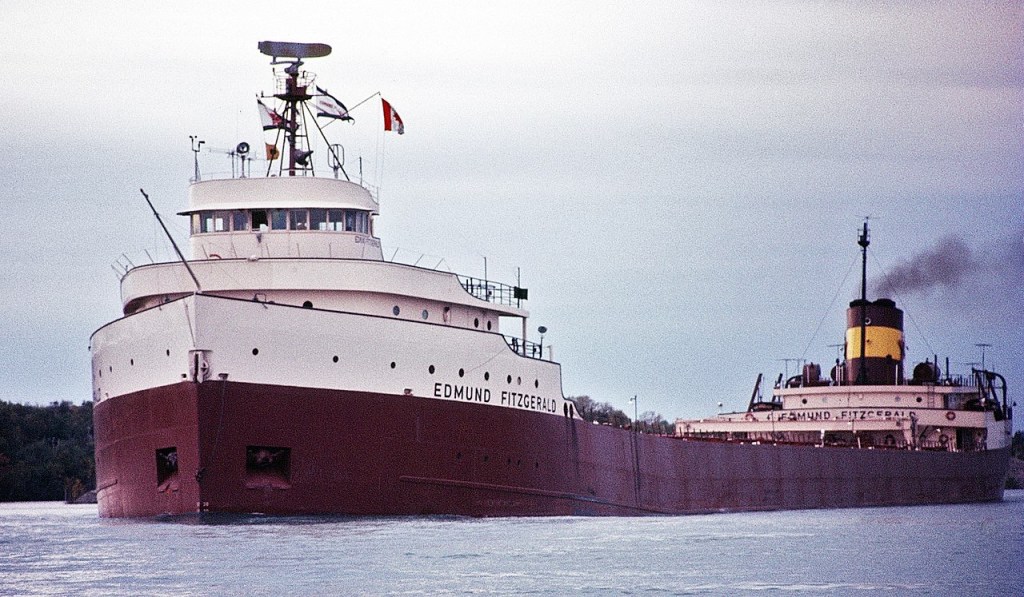
On which of the Great Lakes did the SS Edmund Fitzgerald sink with the loss of her entire crew in 1975?
Lake Michigan
Lake Ontario
Lake Superior
Answer: 3. Lake Superior.
The SS Edmund Fitzgerald, the largest ship on the Great Lakes, sank during a storm on November 10, 1975, with all 29 crew members lost. The cause of the sinking remains unknown, though it is believed to have been due to a combination of factors such as structural failure and high waves. The disaster led to changes in Great Lakes shipping regulations and practices. The Edmund Fitzgerald disaster, immortalised in Gordon Lightfoot’s ballad, led to significant changes in Great Lakes shipping regulations, including mandatory survival suits and increased inspections.
Two
This Eurasian woodland plant, Allium uranium, with broad shiny leaves and round heads of flowers, producing a strong aroma of garlic is also called wild garlic. What is it?
Larsons
Ramsons
Tamsons
Answer: 2. Ramsoms.
Allium ursinum, or wild garlic, is a bulbous perennial flowering plant native to Eurasia. It is a wild relative of onion and garlic. It has several names including ramsons; it is also known as buckrams, broad-leaved garlic, cowleekes, cows’s leek, cowleek, wood garlic, Eurasian wild garlic, onion grass, bear leek and bear’s garlic.
Three
What letter(s) is the symbol which represents the element tungsten?
T
Gs
W
Answer: 3. W.
Tungsten, also known as wolfram, is a chemical element with the symbol W and atomic number 74. It is a metal found naturally in compounds and was first isolated as a metal in 1783.
Four
Who, on a sixties album, released a version of the Christmas carol Silent Night with a simulated 7 O’clock News, which featured real events from the preceding summer, being read over it?
Crosby, Stills and Nash
Joni Mitchell
Simon & Garfunkel
Answer: 3. Simon & Garfunkel.
7 O’Clock News/Silent Night by Simon & Garfunkel is a sound collage from their 1966 album, combining Silent Nightwith a simulated news bulletin. A sound collage juxtaposes Silent Night with a news report, highlighting social issues like civil rights, Lenny Bruce’s death, and the Vietnam War. The track’s mix emphasises the contrast between the news and the Christmas song.
Five
In which Scottish body of water was the German High Seas Fleet scuttled in June 1919?
Loch Ness
Scapa Flow
Firth of Lorn
Andwer: 2. Scapa Flow.
Scapa Flow is a strait in the Orkney Islands, Scotland. It was an important British naval base, especially in the First World War. The German High Seas Fleet was interned there after its surrender, and was scuttled in 1919 as an act of defiance against the terms of the Versailles peace settlement.
The Wind in the Wires Made a Tattle-tale Sound — Post Title
The post title is a line from The Wreck of the Edmund Fitzgerald by Gordon Lightfoot. Full lyrics below from AZ Lyrics.
The Wreck Of The Edmund Fitzgerald
By Gordon Lightfoot.
The legend lives on from the Chippewa on down Of the big lake they call Gitche Gumee The lake, it is said, never gives up her dead When the skies of November turn gloomy With a load of iron ore twenty-six thousand tons more Than the Edmund Fitzgerald weighed empty [Former version:] That good ship and true was a bone to be chewed [Latter version:] That good ship and crew was a bone to be chewed When the gales of November came early
The ship was the pride of the American side Coming back from some mill in Wisconsin As the big freighters go, it was bigger than most With a crew and good captain well seasoned Concluding some terms with a couple of steel firms When they left fully loaded for Cleveland Then later that night when the ship’s bell rang Could it be the north wind they’d been feelin’?
The wind in the wires made a tattle-tale sound When the wave broke over the railing And every man knew, as the captain did too ‘Twas the witch of November come stealin’ The dawn came late and the breakfast had to wait When the gales of November came slashin’ When afternoon came it was freezing rain In the face of a hurricane west wind
When suppertime came, the old cook came on deck Saying, “Fellas, it’s too rough to feed ya.” [Former version:] At seven PM a main hatchway caved in [Latter version:] At seven PM it grew dark, it was then He said, “Fellas, it’s been good to know ya.” The captain wired in he had water comin’ in And the good ship and crew was in peril And later that night when his lights went out of sight Came the wreck of the Edmund Fitzgerald
Does anyone know where the love of God goes When the waves turn the minutes to hours? The searchers all say they’d have made Whitefish Bay If they’d put fifteen more miles behind her They might have split up or they might have capsized They may have broke deep and took water And all that remains is the faces and the names Of the wives and the sons and the daughters
Lake Huron rolls, Superior sings In the rooms of her ice-water mansion Old Michigan steams like a young man’s dreams The islands and bays are for sportsmen And farther below, Lake Ontario Takes in what Lake Erie can send her And the iron boats go as the mariners all know With the gales of November remembered
[Former version:] In a musty old hall in Detroit they prayed [Latter version:] In a rustic old hall in Detroit they prayed In the Maritime Sailors’ Cathedral The church bell chimed ’til it rang twenty-nine times For each man on the Edmund Fitzgerald The legend lives on from the Chippewa on down Of the big lake they call Gitche Gumee Superior, they said, never gives up her dead When the gales of November come early. AZ Lyrics.
On which of the Great Lakes did the SS Edmund Fitzgerald sink with the loss of her entire crew in 1975?
Lake Michigan
Lake Ontario
Lake Superior
Two
This Eurasian woodland plant, Allium uranium, with broad shiny leaves and round heads of flowers, producing a strong aroma of garlic is also called wild garlic. What is it?
Larsons
Ramsons
Tamsons
Three
What letter(s) is the symbol which represents the element tungsten?
T
Gs
W
Four
Who, on a sixties album, released a version of the Christmas carol Silent Night with a simulated 7 O’clock News, which featured events from the preceding summer, being read over it?
Crosby, Stills and Nash
Joni Mitchell
Simon & Garfunkel
Five
In which Scottish body of water was the German High Seas Fleet scuttled in June 1919?
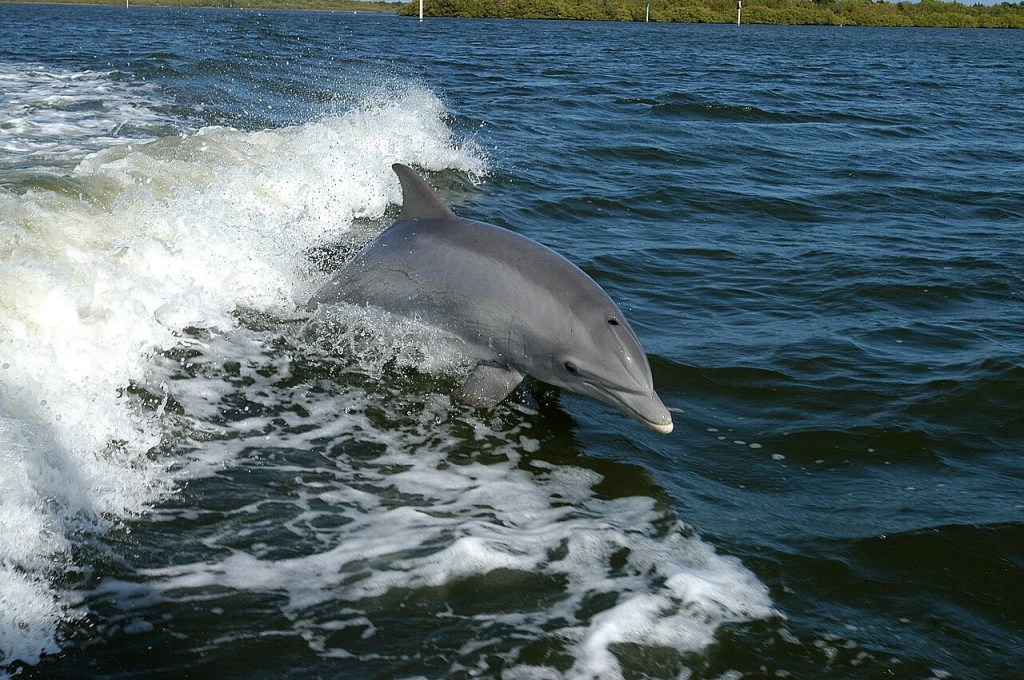
Born in 1952, Douglas Adams is known for writing a ’trilogy in five parts’. One of these parts mentions creatures in its title. What creatures?
Answer: Fish
So Long and Thanks for All the Fish (1984) is the fourth part in that well-known trilogy, The Hitchhiker’s Guide to the Galaxy. This instalment’s title refers to a message left by the dolphins when they departed planet Earth just before it was demolished in the building of a hyperspace bypass.
Two
In what city was media mogul Rupert Murdoch born in 1931?
Answer: Melbourne.
Born in Melbourne, Australia, Rupert Murdoch, an Australian-American media mogul, built a global media empire through News Corp, owning newspapers, book publishers, and television channels like Fox News and Sky News. His influence and wealth have been significant, leading to accusations of right-wing bias and political influence. In 2023, Murdoch announced his retirement as chairman of Fox Corp and News Corp.
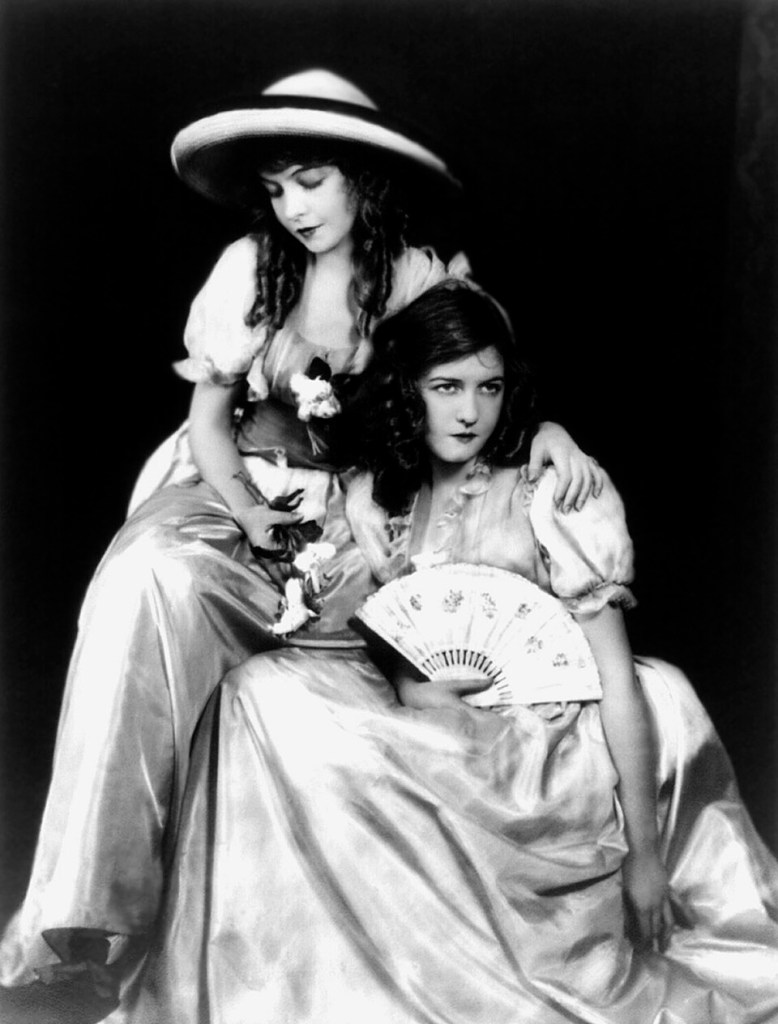
Born in 1898, Miss Gish, pictured on the right with her sister, who both became major movie stars during the silent era. What were the sisters’ names?
Answers: Dorothy and Lillian Gish
Dorothy Gish, an American stage and screen actress, was a major movie star of the silent era alongside her sister Lillian. Born in Dayton, Ohio, Dorothy made her stage debut at age four and later, with Lillian, was introduced to director D.W. Griffith by Mary Pickford.
Four
In 1995, Russian athlete Yolanda Chen, appearing at the World Indoor Championships in Barcelona, Spain, set a new world indoor record of 15.03 metres and won the gold medal. In what event was Ms Chen competing?
Answer: Triple jump.
Yolanda Chen, a retired Russian athlete, specialised in long jump and later triple jump—hop, skip and jump—achieving a personal best of 14.97 metres in 1993. She won gold at the World Indoor Championships in 1995 with a world indoor record of 15.03 metres.
Five
The Daily Courant was Britain’s first national daily newspaper. In what decade was it published?
Answer: 1700s.
Elizabeth Mallet founded Britain’s first daily newspaper, The Daily Courant, on 11 March 1702, at her premises near the King’s Arms tavern at Fleet Bridge, London. Despite her pioneering efforts, Mallet received little recognition and sold the paper after just 40 days. The single-page newspaper, with advertisements on the reverse, featured only foreign news, as Mallet believed her readers could reflect for themselves. She sold The Daily Courant to Samuel Buckley, who later became the publisher of The Spectator. The Daily Courant continued until 1735, when it merged with the Daily Gazetteer.
Stage Struck
The post is named after the 1917 American silent drama film starring Dorothy Gish (see question three). A copy survives in the Library of Congress.
Born in 1898, Miss Gish, pictured on the right with her sister, who both became major movie stars during the silent era. What were the sisters’ names?
Four
In 1995, Russian athlete Yolanda Chen, appearing at the World Indoor Championships in Barcelona, Spain, set a new world indoor record of 15.03 metres and won the gold medal. In what event was Ms Chen competing?
Five
The Daily Courant was Britain’s first national daily newspaper. In what decade was it published?
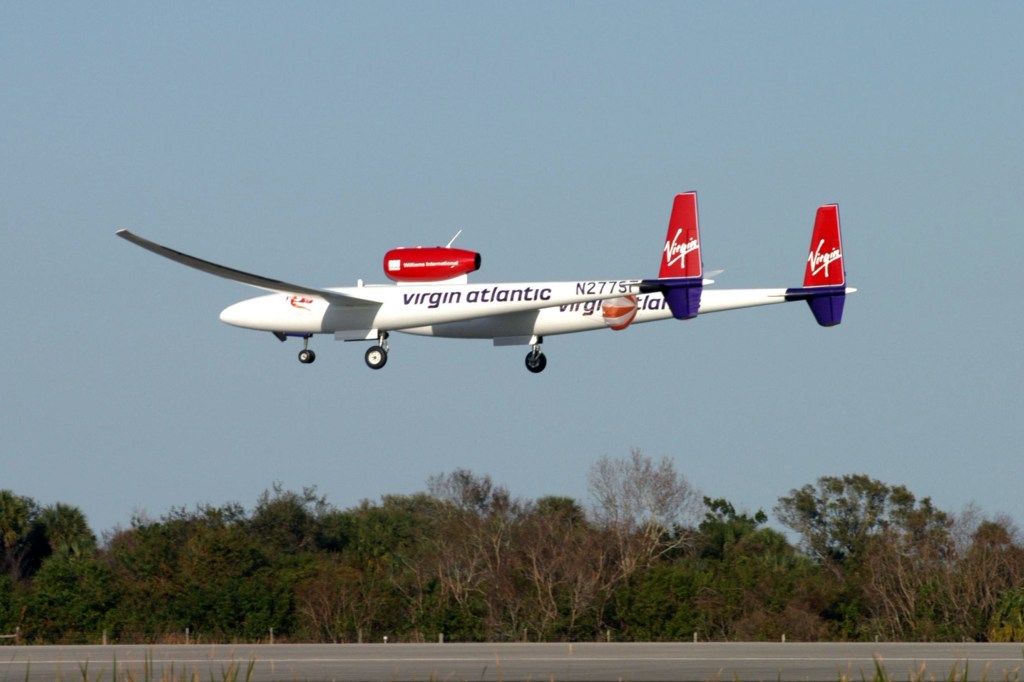
2005, a pilot became the first person to complete a solo, nonstop circumnavigation of the globe without refuelling. The pilot took off from and landed back at one of the several Salinas in the United States. Who was the pilot and specifically from which Salina did he depart and return?
Answers: Steve Fossett; Salina, Kansas.
In 2005, pilot Steve Fossett became the first person to fly solo around the world without stopping or refuelling. He piloted the specially designed GlobalFlyer, equipped with 13 fuel tanks and a 7-foot cockpit. Taking off from Salina, Kansas, on February 28, he successfully completed the journey and returned to Salina approximately 67 hours later on March 3.
Two
Born in Navsari, Gujarat, India in 1839, an Indian industrialist who founded Jamshedpur, established the Taj Mahal Hotel and developed businesses in cotton, steel and hydroelectric power amongst others. Who was he?
Answer: Jamsetji Tata.
Jamsetji Nusserwanji Tata, an Indian industrialist and philanthropist, founded the Tata Group and the city of Jamshedpur. He established key institutions such as the Taj Mahal Hotel, Tata Steel, and Tata Power, significantly impacting India’s industrial and social landscape. Tata was also a prominent philanthropist, establishing the J.N. Tata Endowment and supporting the Indian Institute of Science.
Three
Born in 1962, which athlete set a world record of 7,148 points in the heptathlon?
Answer: Jackie Joyner-Kersee.
Jackie Joyner-Kersee, born in 1962, is a retired American athlete who excelled in the heptathlon and long jump. She won three Olympic gold medals in the heptathlon and one in the long jump, setting world records in both events. In July 1986, she set a world record of 7,148 points in the heptathlon. Beyond her athletic achievements, Joyner-Kersee is known for her philanthropic work, including founding the Jackie Joyner-Kersee Foundation and co-founding Athletes for Hope.
Four
Born in 1968, this physicist and television science presenter who is known for his work on the ATLAS experiment at CERN, played keyboards in live appearances with D:Ream. Who is This?
Answer: Brian Cox.
Brian Cox is an English physicist and musician, known for his work on the ATLAS experiment at CERN and his role as a presenter of science programmes for the BBC. He has co-authored several popular science books and continues to perform music sporadically. Cox’s career spans from being a keyboard player for bands like Dare and D:Ream to becoming a professor of particle physics at the University of Manchester.
Five
Decommissioned on this day in 1980, a U.S. nuclear submarine made history by sailing under the Arctic ice pack and the North Pole in 1958.
What was the name of the submarine?
What was the operational name for the submerged Arctic transit?
The submarine had a namesake from an 1870s novel; what was the novel’s English title?
Who was the author of the novel?
Answers
USS Nautilus
Operations Sunshine
Twenty Thousand Leagues Under the Sea
Jules Verne
A Greek derivative meaning sailor or ship; a tropical mollusk having a many chambered, spiral shell with a pearly interior; and the namesake of Jules Verne’s submersible in his novel 20,000 Leagues Under the Sea. — Navy History and Heritage Command
2005, a pilot became the first person to complete a solo, nonstop circumnavigation of the globe without refuelling. The pilot took off from and landed back at one of the several Salinas in the United States. Who was the pilot and specifically from which Salina did he depart and return?
Two
Born in Navsari, Gujarat, India in 1839, an Indian industrialist who founded Jamshedpur, established the Taj Mahal Hotel and developed businesses in cotton, steel and hydroelectric power amongst others. Who was he?
Three
Born in 1962, which athlete set a world record of 7,148 points in the heptathlon?
Four
Born in 1968, this physicist and television science presenter who is known for his work on the ATLAS experiment at CERN, played keyboards in live appearances with D:Ream. Who is This?
Five
Decommissioned on this day in 1980, a U.S. nuclear submarine made history by sailing under the Arctic ice pack and the North Pole in 1958.
What was the name of the submarine?
What was the operational name for the submerged Arctic transit?
The submarine had a namesake from an 1870s novel; what was the novel’s English title?

 Quizology.Online