
Here are the answers to the questions in my earlier post.
The first question directly relates to today’s date, December 9th. The others follow the road traffic theme introduced in the first question.

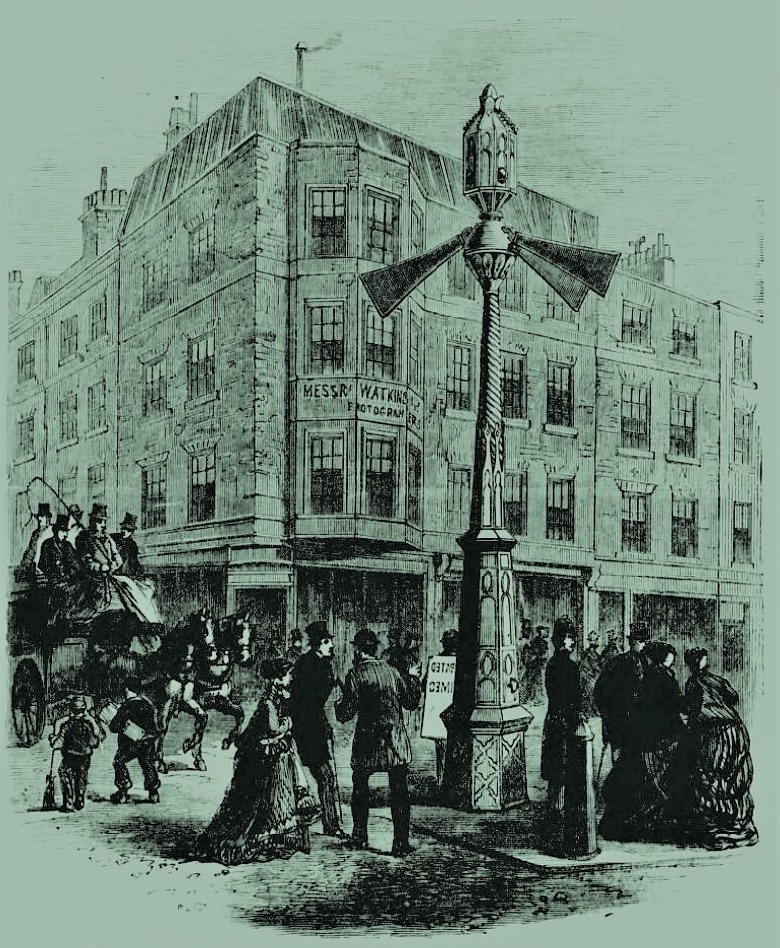
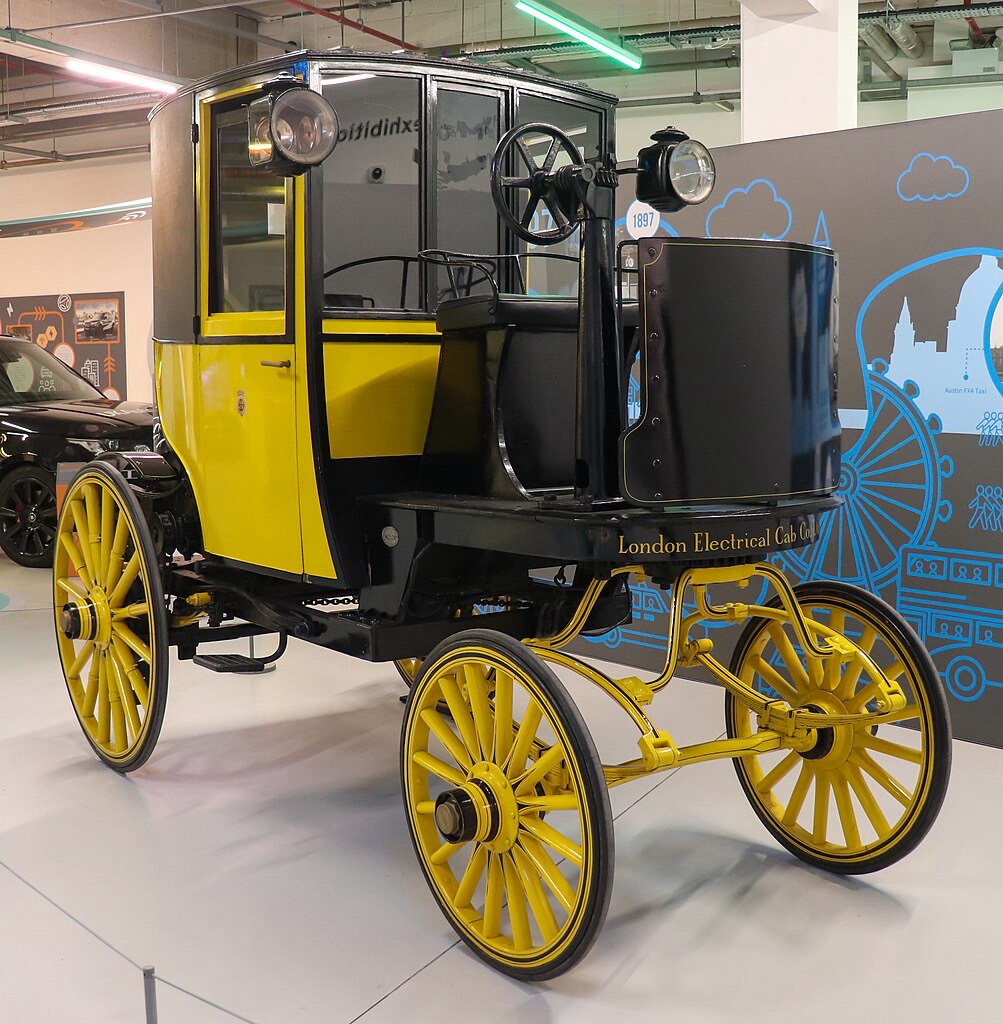
Image Londonist.com
One
In 1868, the world’s first traffic light began operation in which city?
Answer: London, United Kingdom
Designed by railway engineer JP Knight and installed at Parliament Square, Westminster, this gas-powered semaphore signal was manually operated by a police officer. However, a gas leak and subsequent explosion led to its removal just a month later. This delay significantly hindered the adoption of traffic lights in Britain.
Two
According to Guinness World Records, which road—stretching over 24,140 km (15,000 miles)—is recognised as the world’s longest motorable road?
Answer: Pan-American Highway
See three below
Three
Continuing from question two, despite being the world’s longest motorable road, driving its entire length isn’t possible. This is because there’s a section at approximately 7.9° north latitude where there’s no road. What’s the common name for this interrupted stretch?
Answer: Darién Gap
Guinness World Records describe the Pan-American Highway as going from Fairbanks, Alaska, United States, to Panama and then—after shipping their vehicles to Colombia or Venezuela—to Santiago, Chile, and then east to Buenos Aires, Argentina, and Rio de Janeiro and Brazilia in Brazil.
Wikipedia starts/ends the route at Prudhoe Bay, Alaska, United States, to Puerto Montt, Quellón, Chile, or Ushuaia, Argentina.
Encyclopædia Britannica says …from Alaska and Canada to Chile, Brazil, and the southern tip of Argentina.
The Darién Gap is a remote and dangerous rainforest area on the Colombia-Panama border, acting as a natural barrier between North and South America. Its inhospitable terrain, lack of roads or other infrastructure, and presence of criminal enterprises make it a perilous route for travel and migration. Despite these challenges, it has become a major migration route for individuals from Haiti and Venezuela seeking to reach the Mexico-United States border.
Four
Introduced in the UK in 1951 and named after its distinctive striped pattern, which type of pedestrian crossing quickly became a road-safety icon?
Answer: Zebra Crossing
The first official zebra crossing was unveiled in Slough. Its black-and-white design and Belisha beacons dramatically improved pedestrian visibility and contributed to a significant drop in road accidents.

Image Wikipedia
Five
In 1888, the wife of a German inventor made the first long-distance car journey. This German inventor had received a patent in 1886 for what is widely considered the first practical automobile powered by an internal combustion engine. Who was the lady who made the long-distance car journey?
Answer: Bertha Benz (wife of Karl Benz)
In 1888, Bertha Benz embarked on the first long-distance car journey without informing Benz himself. This demonstrated the vehicle’s practicality and effectively staged the world’s first car publicity stunt. Encyclopædia Britannica describes it as…
Benz’s journey with her sons marked the first long-distance journey in an automobile. The trio travelled from Mannheim to Pforzheim in about 13 hours, driving on about 60 miles (96.6 km) of unpaved roads. Karl was notified of the Motorwagen’s success by telegram. During the journey, Bertha made several repairs with simple on-hand items. She used her garter to fix the ignition and her hat pin to unclog a blocked fuel pipe. They even stopped at a pharmacy in Wiesloch to purchase a few litres of Ligroin from a chemist. Ligroin was a cleaning agent that served as petroleum fuel for the single-cylinder engine motor. (To this day, many consider this pharmacy the world’s first fueling station.)
On the journey back, the Motorwagen’s brake blocks wore out. Benz had a cobbler fit the brakes with leather strips, thus inventing brake pads. Through her trip, she proved to naysayers that the Motorwagen had potential and helped make improvements on its design. Along the way, she and her sons had to push the Motorwagen uphill, so she suggested that Karl add a third, lower gear and brake pads to his next model. These suggestions were implemented in all of the following models. — Encyclopædia Britannica




 Quizology Online