Tag: Europe

  • Time Will Tell—Answers

    Here are the answers to the earlier posted questions.

    The first question relates to today, November 8th. The remainder are not date specific but follow a loose theme.
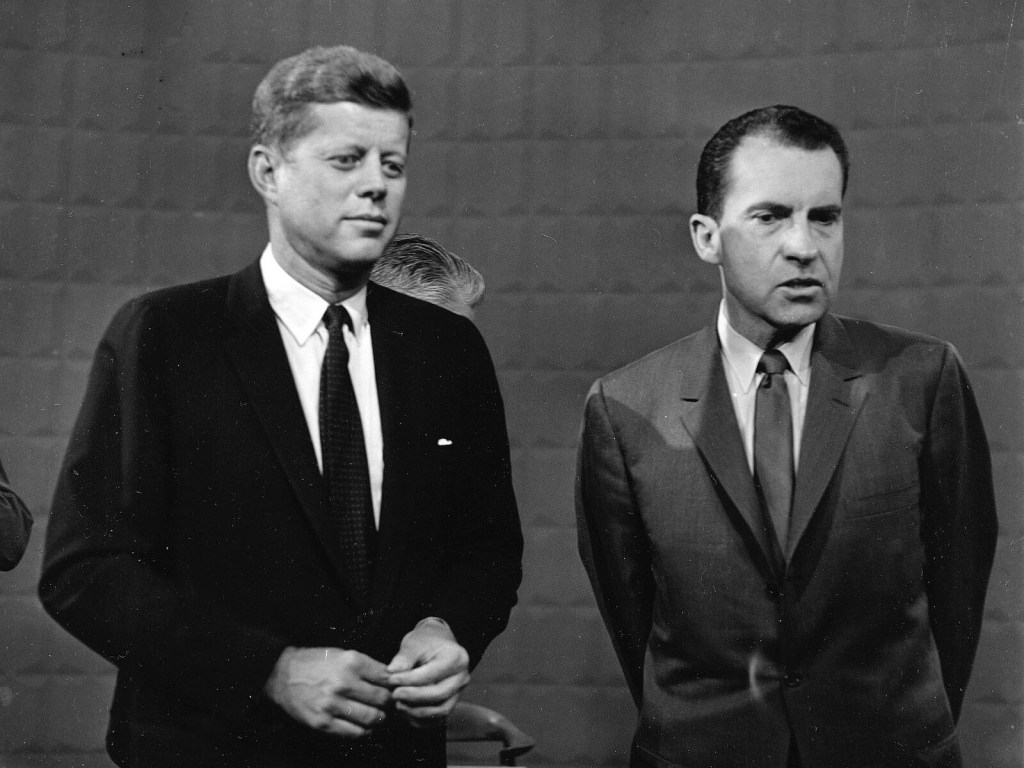
    John F. Kennedy and Richard Nixon taken prior to their first debate at WBBM-TV in Chicago in 1960.
    Image Wikipedia

    One

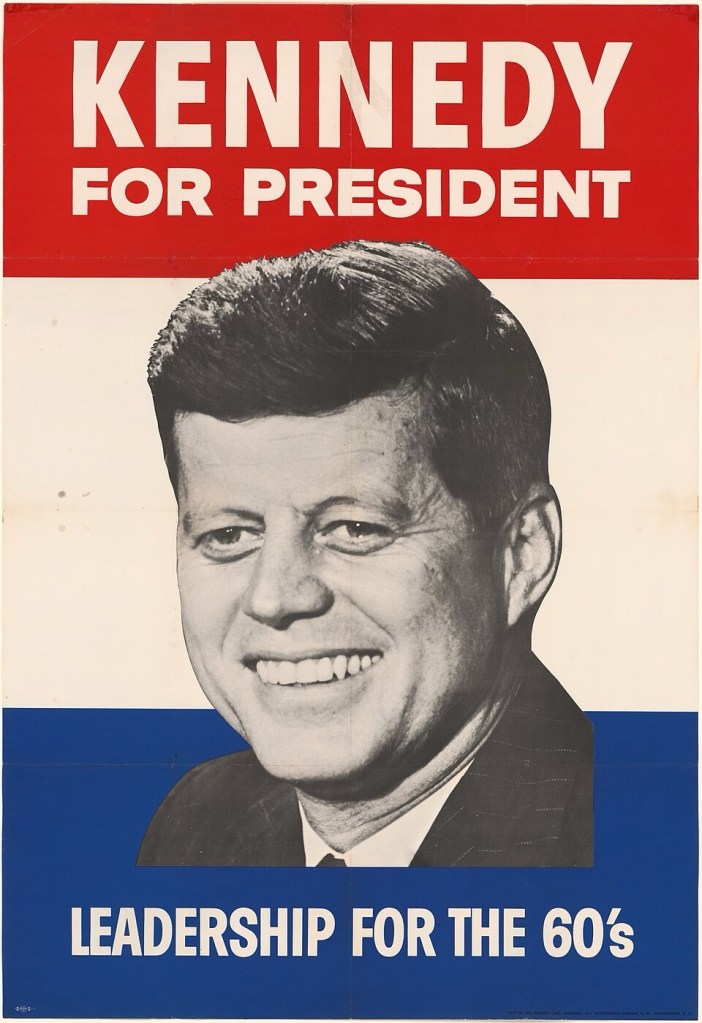
    On this day in 1960, John F. Kennedy was elected President of the United States, as a result of defeating whom in the presidential election?

    Answer: Richard Nixon

    John F. Kennedy, the 35th president of the United States, served from 1961 until his assassination in 1963. His presidency of 1,037 days was marked by Cold War tensions, including the Cuban Missile Crisis, and domestic challenges, such as civil rights legislation. Kennedy’s legacy includes the Peace Corps, the Space Race, and a focus on economic growth.


    Two

    John F. Kennedy’s term ended tragically when he was assassinated in Dallas. This makes him one of four US presidents killed while in office. Who is the only British prime minister to have been assassinated?

    Answer: Spencer Perceval

    Spencer Perceval served as prime minister from 4 October 1809 until his assassination on 11 May 1812. He remains the only British prime minister to have been assassinated. The shooting occurred in the lobby of the House of Commons and was carried out by John Bellingham. Bellingham was convicted of murder and executed.


    Three

    President Kennedy’s 1,037 days in office are certainly not the shortest. Which US president served the shortest term? Secondly, how long (or short) was the shortest term: 31 days, 51 days or 71 days?

    Answer: William Henry Harrison; true (31 days)

    William Henry Harrison served as President of the United States for just 31 days from 4 March 1841, to 4 April 1841. This makes him the shortest-serving president in US history. Tragically, he died of pneumonia just a month after catching a chill at his inauguration which quickly developed into pneumonia.


    Four

    Liz Truss’s 49 days in 2022 is by far the shortest term of any UK prime minister. Which prime minister from the first third of the 19th century served this shortest term? Secondly, how long was this second shortest premiership: 99 days, 119 days or 139 days?

    Answer: George Canning; 119 days

    George Canning, a British Tory statesman, held various senior cabinet positions, including two terms as foreign secretary. He became Prime Minister of the United Kingdom in April 1827 but died just 119 days later. Canning’s foreign policies, particularly his support for the independence of American colonies and the Monroe Doctrine, were highly regarded. His death in office meant that his tenure was the shortest of any prime minister until eclipsed by Truss in 2022.


    Pope John Paul I during the Angelus Address from his study’s window to pilgrims at St. Peter’s Square, 1978.
    Image Wikipedia

    Five

    Albino Luciani served in which office for 33 days in the second half of the 20th century?

    Answer: Pope

    Pope John Paul I, born Albino Luciani, served as head of the Catholic Church for 33 days in 1978, making his reign one of the shortest in papal history. He was the first pope in history to adopt a double name which he did in honour of his two predecessors, John XXIII and Paul VI.
  • Time Will Tell

    The first question relates to today, November 8th. The remainder are not date specific but follow a loose theme.

    Image Wikipedia

    One

    On this day in 1960, John F. Kennedy was elected President of the United States, as a result of defeating whom in the presidential election?


    Two

    John F. Kennedy’s term ended tragically when he was assassinated in Dallas. This makes him one of four US presidents killed while in office. Who is the only British prime minister to have been assassinated?


    Three

    President Kennedy’s 1,037 days in office are certainly not the shortest. Which US president served the shortest term? Secondly, how long (or short) was the shortest term: 31 days, 51 days or 71 days?


    Four

    Liz Truss’s 49 days in 2022 is by far the shortest term of any UK prime minister. Which prime minister from the first third of the 19th century served this shortest term? Secondly, how long was this second shortest premiership: 99 days, 119 days or 139 days?


    Five

    Albino Luciani served in which office for 33 days in the second half of the 20th century?

    Good luck! I’ll post the answers later.

  • Blood in the Water—Answers

    Here are the answers to the questions I posted earlier.

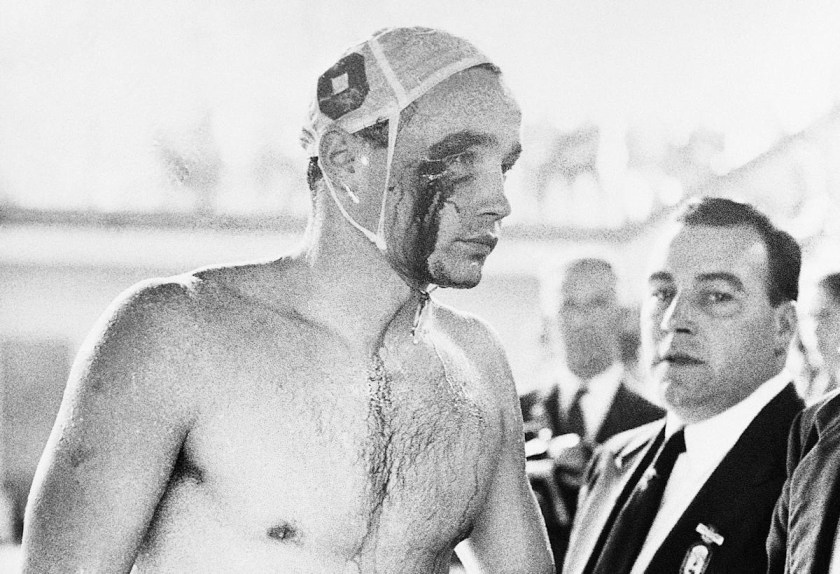
    Following the violent blow delivered by [Soviet Union’s] Valentin Prokopov, Hungarian Ervin Zador bleeds profusely from above his eyebrow.
    Image Bettmann / Getty Images via Yahoo! Sports

    One

    The violent Blood in the Water Olympic water polo match between Hungary and the Soviet Union erupted in the aftermath of the Soviet Union suppressing a Hungarian uprising. During which Olympics—year and host city—did this match take place?

    Answer: 1956 Melbourne Olympics

    The match became a powerful symbol of Cold War tensions. Hungary went on to win the gold medal, and player Ervin Zádor’s bloodied face was widely photographed, capturing global attention.


    Two

    On November 6, 2012, a US president was re-elected for a second term. Who were his defeated opponents in both the 2008 and 2012 presidential elections?

    Answer: John McCain (2008) and Mitt Romney (2012)

    Barack Obama, the 44th President of the United States, was the first African American to hold the office. He served two terms, from 2009 to 2017, during which he implemented significant domestic and foreign policies, including healthcare reform, economic stimulus and the end of the Iraq War. Obama left office with high approval ratings and remains politically active.


    Three

    A composer died on November 6, 1893. One of his symphonies, Symphony No. 6 in B minor, which premiered just nine days earlier, became known as his Pathétique. Who was the composer?

    Answer: Pyotr Ilyich Tchaikovsky

    The Pathétique is often interpreted as an emotional farewell, blending passion and tragedy in what became Tchaikovsky’s final completed work.


    Four

    Switzerland officially abolished the death penalty on 6 November. Which decade was this?

    Answer: 1990s (1992)

    Though executions had already ceased decades earlier, the 1992 constitutional amendment made abolition permanent, aligning Switzerland with wider European human rights standards.


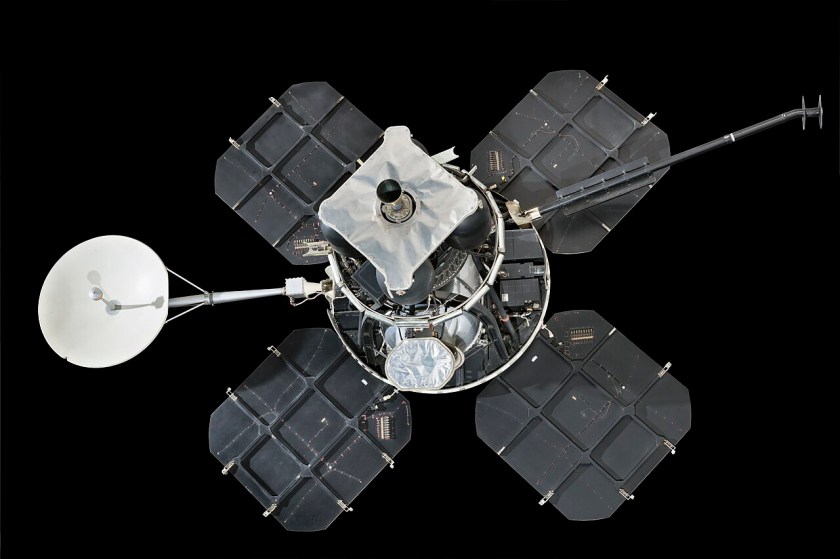
    Luner Orbiter 2.
    Image NASA via Wikipedia

    Five

    On 6 November 1966, NASA’s Lunar Orbiter 2 was launched with a primary mission objective of photographing specifically what on the Moon’s surface?

    Answer: Potential landing sites on the Moon

    The Lunar Orbiter 2 spacecraft was designed primarily to photograph smooth areas of the lunar surface for selection and verification of safe landing sites for the Surveyor and Apollo missions.

    NASA

    Lunar Orbiter 2 transmitted over 800 high-resolution images, including the first detailed close-ups of the Moon’s surface. These images were crucial in selecting the Apollo 11 landing site.


  • Blood in the Water

    Here are five questions related to today, November 6th.

    Following the violent blow delivered by [Soviet Union’s] Valentin Prokopov, Hungarian Ervin Zador bleeds profusely from above his eyebrow.
    Image Bettmann / Getty Images via Yahoo! Sports

    One

    The violent Blood in the Water Olympic water polo match between Hungary and the Soviet Union erupted in the aftermath of the Soviet Union suppressing a Hungarian uprising. During which Olympics—year and host city—did this match take place?


    Two

    On November 6, 2012, a US president was re-elected for a second term. Who were his defeated opponents in both the 2008 and 2012 presidential elections?


    Three

    A composer died on November 6, 1893. One of his symphonies, Symphony No. 6 in B minor, which premiered just nine days earlier, became known as his Pathétique. Who was the composer?


    Four

    Switzerland officially abolished the death penalty on 6 November. Which decade was this?


    Five

    On 6 November 1966, NASA’s Lunar Orbiter 2 was launched with a primary mission objective of photographing specifically what on the Moon’s surface?


    Good luck! I’ll post the answer later today.

  • Feeling Sleepy—Answers

    Feeling Sleepy—Answers

    Here are the answers to the questions in my earlier post.

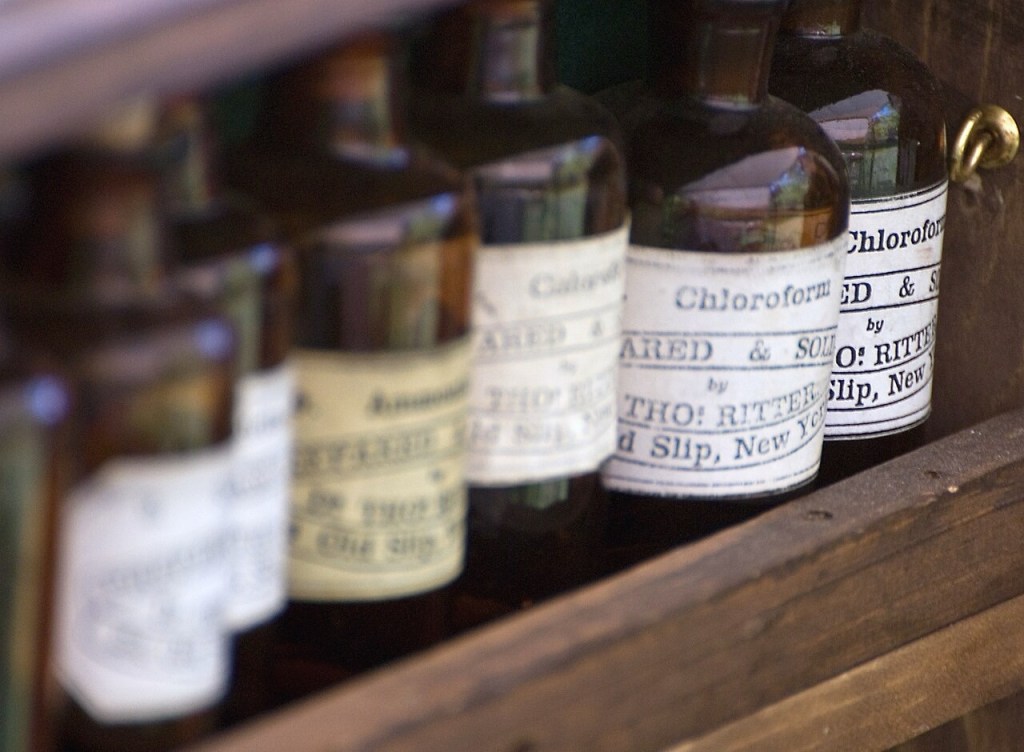
    Antique bottles of Chloroform.
    Image Wikipedia

    One

    Which Scottish physician successfully demonstrated the anaesthetic properties of chloroform in 1847?

    Answer: Sir James Young Simpson

    Sir James Young Simpson first successfully demonstrated chloroform as a general anaesthetic on November 4, 1847. This revolutionised surgery and childbirth.


    Two

    In which century did the Rebellion of Túpac Amaru II against Spanish rule in the Viceroyalty of Peru begin?

    Answer: 18th century (1780)

    The rebellion was one of the largest indigenous uprisings in Spanish American history and inspired later movements for independence.


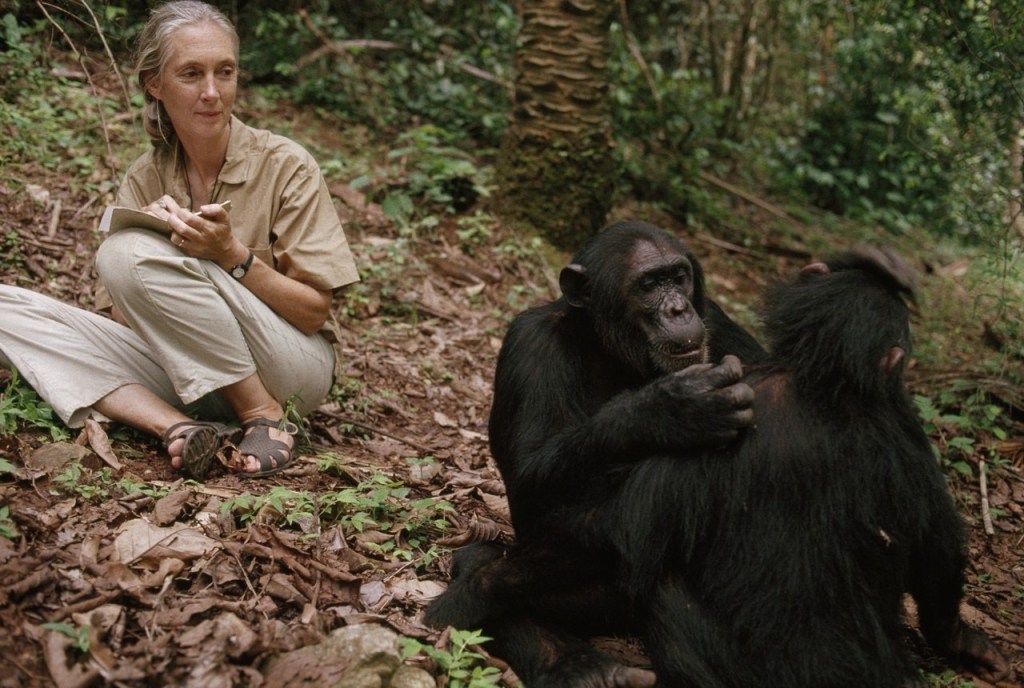
    Jane Goodall with Prof and Pax. Photograph by Michael Nichols / National Geographic via Wikipedia

    Three

    Which primatologist first observed chimpanzees making and using tools in Tanzania in 1960?

    Answer: Jane Goodall

    This pioneering observation at the Kasakela Chimpanzee Community challenged the belief that tool use was unique to humans.


    Four

    In 1956, which country did Soviet troops invade to suppress a revolution that began on 23 October?

    Answer: Hungary

    The Hungarian Revolution of 1956 was a significant Cold War event, resulting in thousands of casualties and a mass exodus of refugees.


    Five

    UNESCO’s constitution entered into force on 4 November 1946, officially establishing the organisation. What does the acronym UNESCO stand for?

    Answer: United Nations Educational, Scientific and Cultural Organization.

    UNESCO promotes international collaboration in education, science and culture. Its activities focus on supporting national efforts to eliminate illiteracy and extend free education.

  • Capital Gain—Answers

    Here are the answers to my earlier post.

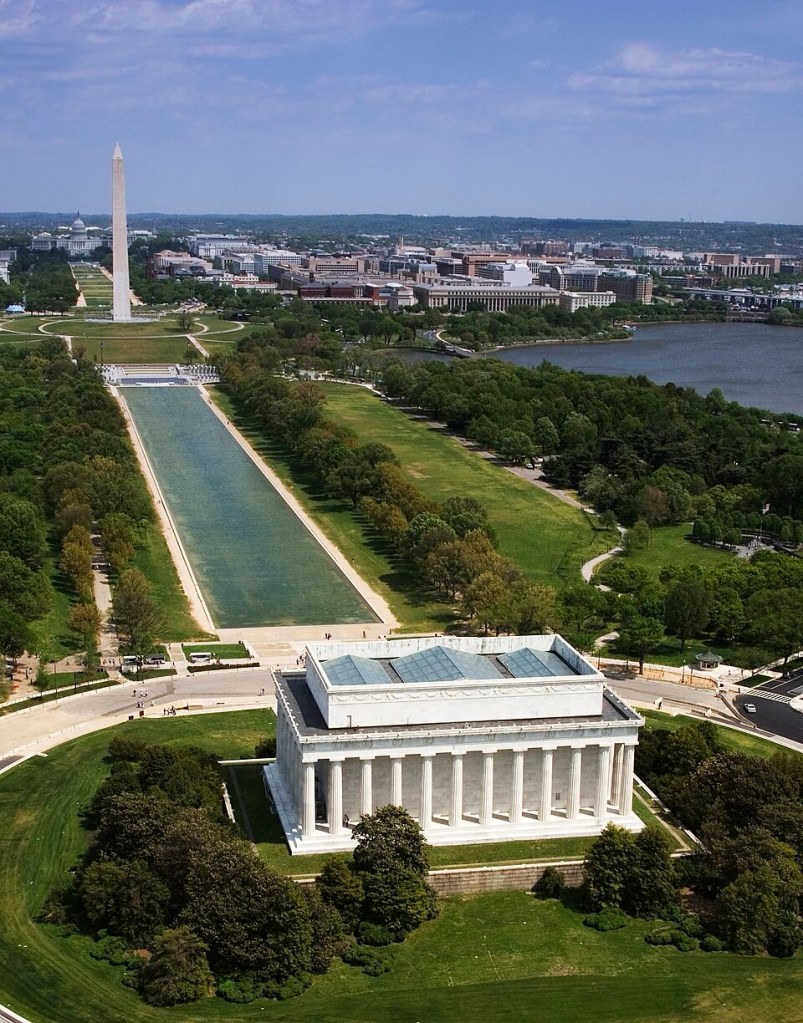
    National Mall, Lincoln Memorial and Washington Monument,
    Washington D.C.
    Image Wikipedia

    One

    What decade saw the first time that residents of Washington, D.C. could vote in a U.S. presidential election

    Answer: 1960s (1964)

    Twenty-Third Amendment to the United States Constitution, ratified in 1961, granted D.C. three electoral votes—the same number as the least-populous state. Before this, its residents had no say in electing the president or vice-president.


    Two

    Today Henry VIII of England became the first Supreme Head of the Church of England. In which century was this?

    Answer: 16th century (1534)

    The Act of Supremacy officially severed England’s ties with the Roman Catholic Church and papal authority, paving the way for the English Reformation. Henry’s motivations were both political and personal; he desired an annulment from Catherine of Aragon.


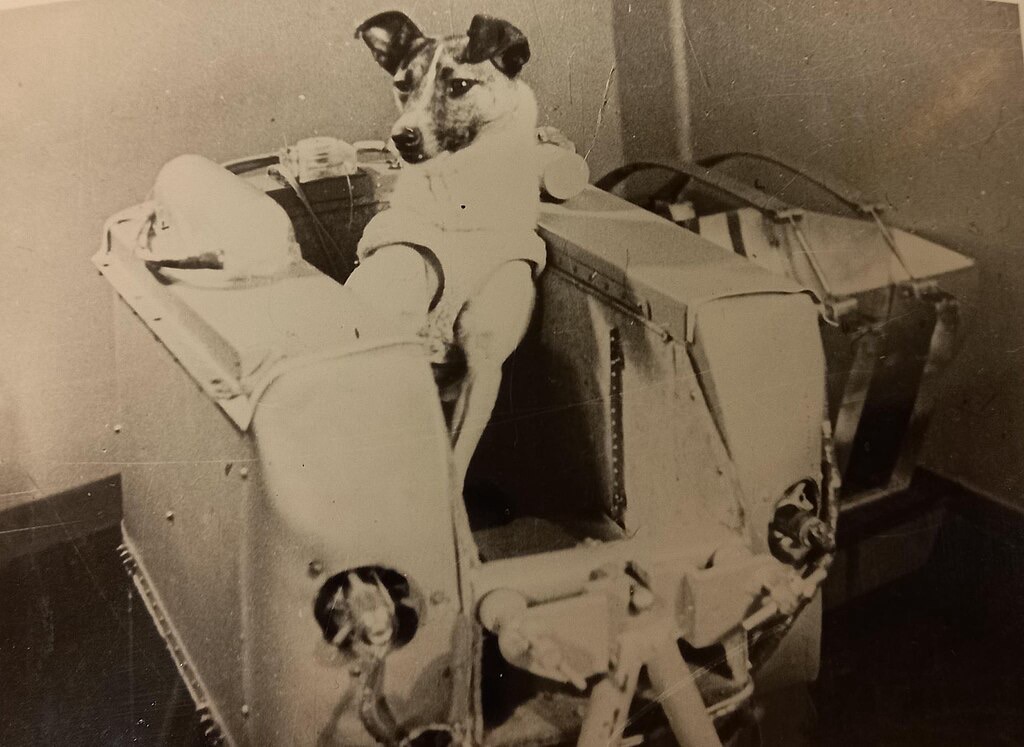
    Laika in a mock cockpit.
    Image Wikipedia

    Three

    A dog named Laika went into space on this day in 1957. Which of these craft carried her: Soyuz 1, Sputnik 2 or Salyut 3?

    Answer: Sputnik 2

    Laika, a stray from Moscow’s streets, became a global icon of the Space Race. Sadly, she died within hours due to overheating, although the Soviets initially claimed she survived for several days.

    Four

    On this date, the Caribbean island nation of Dominica was first sighted by Europeans. Four hundred and eighty-five years later, it gained independence from a European country. What does the island’s name mean and from which country did it achieve independence?

    Answer: United Kingdom; and Sunday

    On 3 November 1493, Christopher Columbus sighted Dominica and named it Dies Dominica, meaning ‘the Lord’s Day’. Four hundred and eighty-five years later, on 3 November 1978, Dominica achieved independence after being a British colony and briefly a French one.

    Five

    On this day in 1911, a racing driver and engineer, born in 1878, co-founded the American motor car manufacturer Chevrolet, who was he and in what country was he born?

    Answer: Louis Chevrolet; Switzerland

    Louis Chevrolet’s name lives on in one of America’s most famous car brands, but he sold his stake early and never profited from its later success. Ironically, he died while working for a rival carmaker.

  • Sic semper tyrannisc

    Five questions which are all related to today, October 28th.

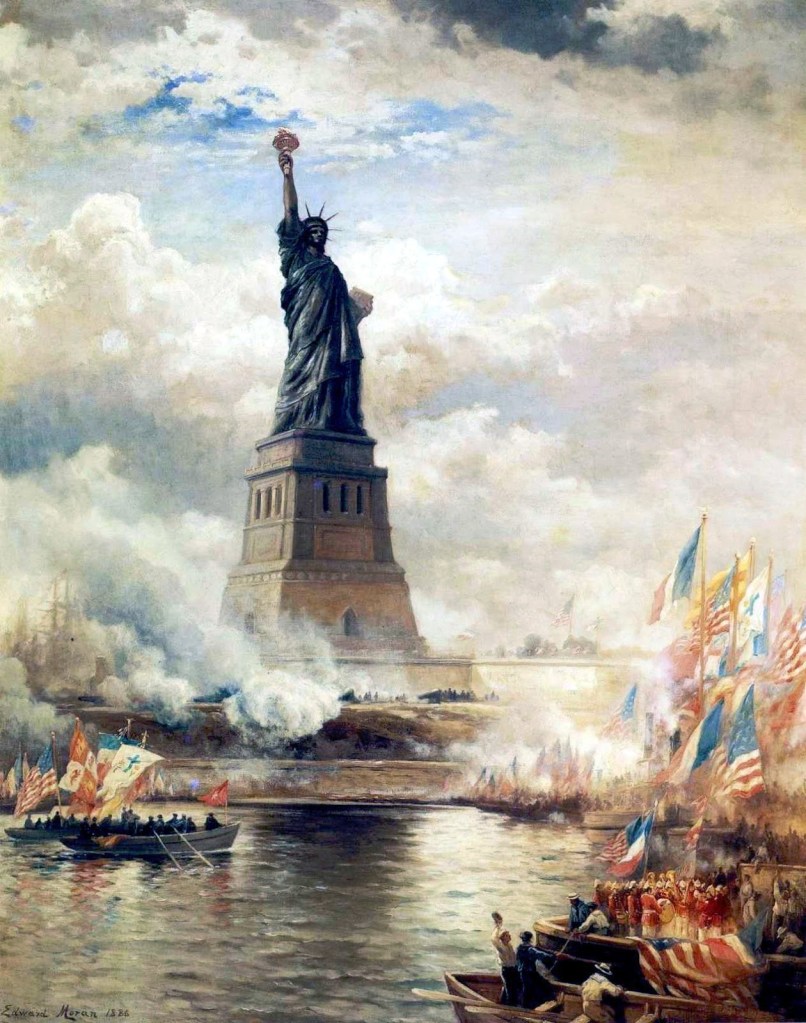
    Unveiling of the Statue of Liberty Enlightening the World by Edward Moran. Oil on canvas.
    The J. Clarence Davies Collection, Museum of the City of New York via Wikipedia

    One

    On October 28, 1922, a march on Rome resulted in the rise to power of whom?

    Two

    On October 28, the Statue of Liberty was officially dedicated in New York Harbor. In what decade did this occur, and which US President dedicated the statue?

    Three

    A vote in the British House of Commons on this day in 1971 approved plans for the UK’s membership of what regional organisation had been created by the Treaty of Rome in 1957?

    Four

    At the 2023 Rugby World Cup final held at the Stade de France, South Africa defeated … (team), and became the first nation to win the Webb Ellis Cup … times. What team fills the first blank space, and what number is missing from the second blank?

    Five

    On October 28, 1919, legislation was passed in the United States that enforced the 18th Amendment and ushered in the era of Prohibition. What was the name of that act?

    Good luck! I’ll post the answers later

  • On This Day, October 26th—Answers

    Here are the answers to the questions I posted earlier.

    One

    Which country, independent since late 1951, was raised from colonial status to part of Italy proper in 1938 by decree of Italy’s Fascist Grand Council?

    Answer: Libya

    Italian colonisation of Libya began in the 1920s, with significant investment in infrastructure and immigration. After World War II, Libya gained independence in 1951, becoming a kingdom under King Idris I.


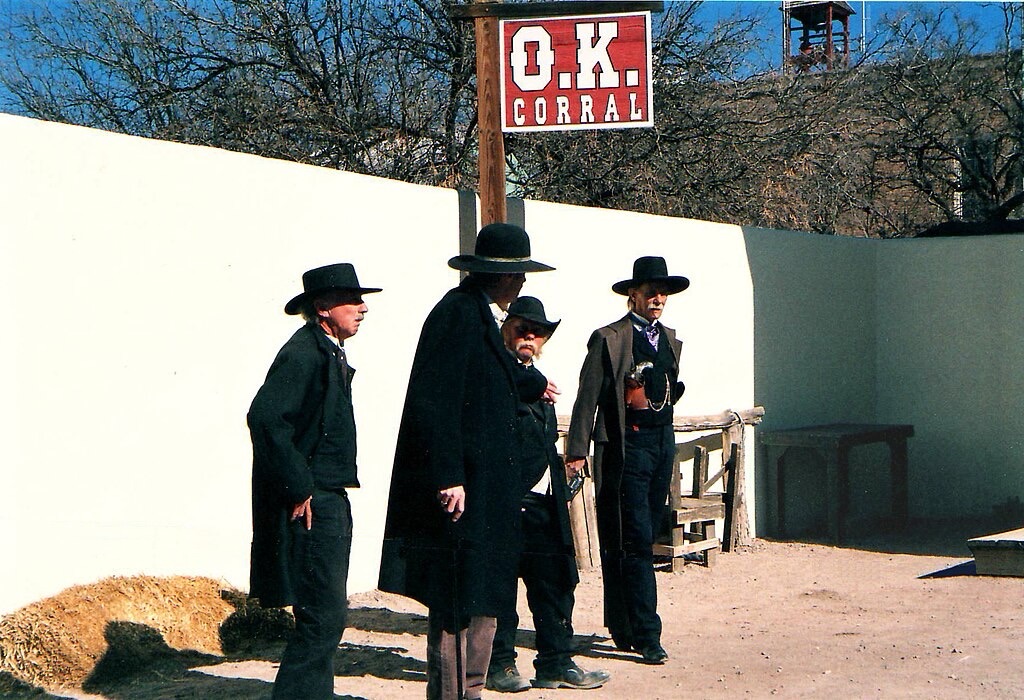
    Daily Reenactment at the O.K. Corral.
    Image Wikipedia

    Two

    Where did the Gunfight at the O.K. Corral take place in 1881?

    Answer: Tombstone, Arizona

    The gunfight at the O.K. Corral, a brief but deadly shootout between lawmen (Wyatt Earp, his brothers and Doc Holiday) and outlaws (Billy Claiborne, brothers Ike and Billy Clanton, and brothers Tom and Frank McLaury) in Tombstone, Arizona Territory, on 26 October 1881, has become an iconic event of the American Old West. The conflict, fuelled by a long-standing feud and a city ordinance prohibiting weapons, resulted in the deaths of three men and injuries to three others. The incident, largely unknown until Wyatt Earp’s death, gained widespread attention through books and films, solidifying its place in popular culture.


    Three

    On this day in 1955, which European country declared a law of perpetual neutrality?

    Answer: Austria

    Since 1955, Austria has been a permanently neutral country—a status declared after the end of post-war Allied occupation. The Austrian State Treaty restored the nation’s sovereignty on the condition that it would not join any military alliances or permit foreign bases on its soil. This neutrality, enshrined in the constitution, has shaped Austria’s identity as a bridge between East and West during the Cold War and beyond.


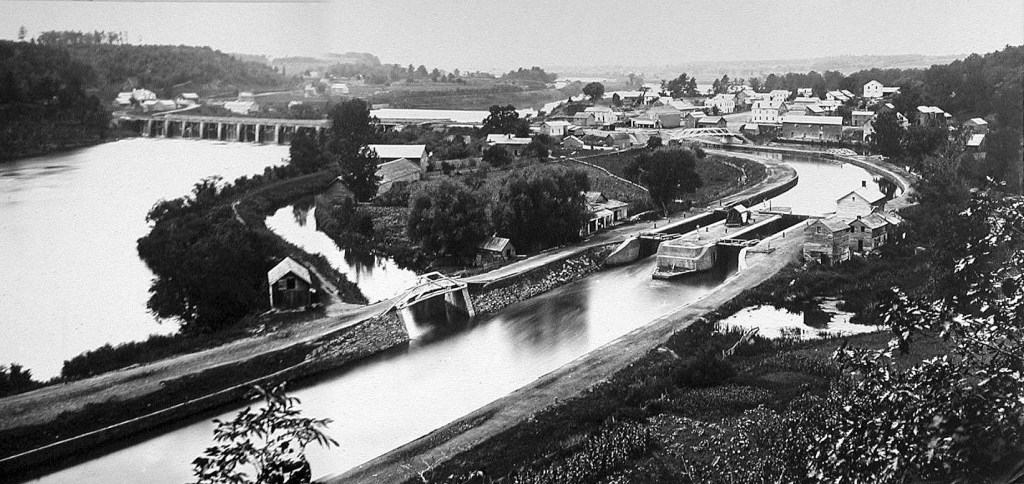
    Erie Canal, aqueduct over the Mohawk River at Rexford.
    Image Wikipedia

    Four

    When was the Erie Canal, a major US transport route, inaugurated?  

    Answer: 1825

    The canal connected the Great Lakes to the Atlantic Ocean, fuelling trade and the growth of New York City.


    Five

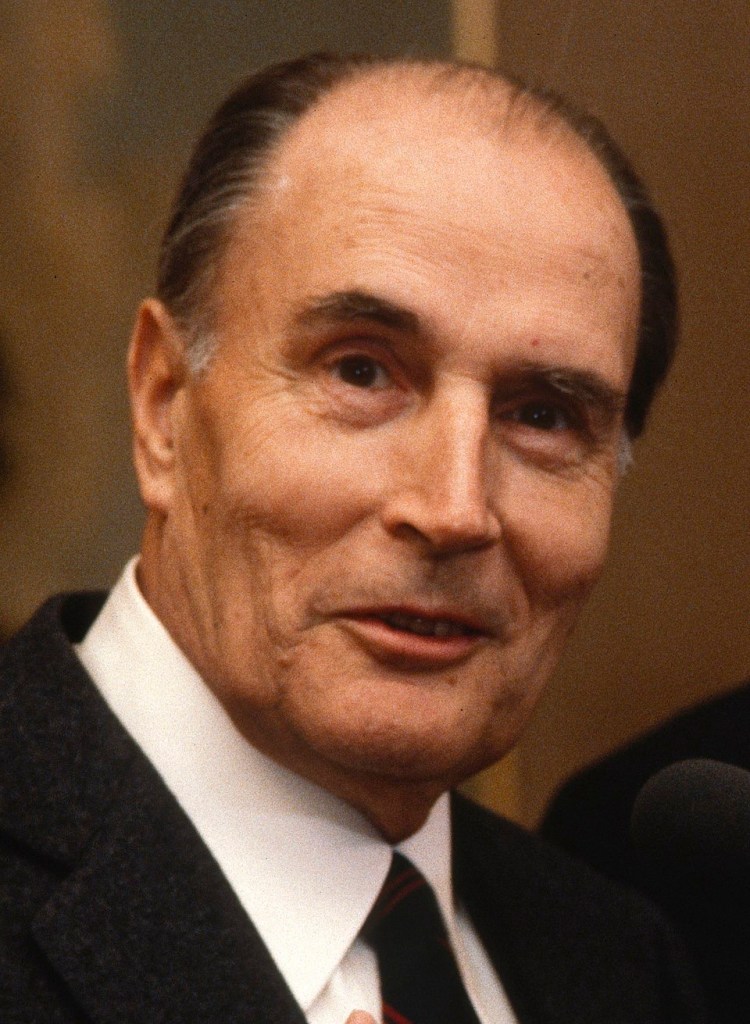
    How many terms did François Mitterrand, who was born today in 1916, serve as President of France?

    Answer: Two

    François Mitterrand, a French politician, served as President of France from 1981 to 1995, marking the longest tenure in the country’s history under the Fifth Republic. Initially aligned with the Catholic nationalist right, he shifted to the left, becoming the first left-wing president. His presidency was marked by significant reforms, such as the abolition of the death penalty and the promotion of French culture, but also faced controversies like the bombing of the Rainbow Warrior. Mitterrand’s tenure spanned pivotal events like the fall of the Berlin Wall and the foundation of the European Union. 

  • On This Day, October 26th

    These questions all relate to today’s date, October 26th.

    François Mitterand, 1983. See question 5.
    Image Wikipedia

    One

    Which country, independent since late 1951, was raised from colonial status to part of Italy proper in 1938 by decree of Italy’s Fascist Grand Council?

    Two

    Where did the Gunfight at the O.K. Corral take place in 1881?

    Three

    On this day in 1955, which European country declared a law of perpetual neutrality?

    Four

    When was the Erie Canal, a major US transport route, inaugurated?  

    Five

    How many terms did François Mitterrand, who was born today in 1916, serve as President of France?

    Good luck! I’ll post the answers later.

  • Nuclear Standoff—Answers

    Here are the answers to the wrapping in my earlier post.

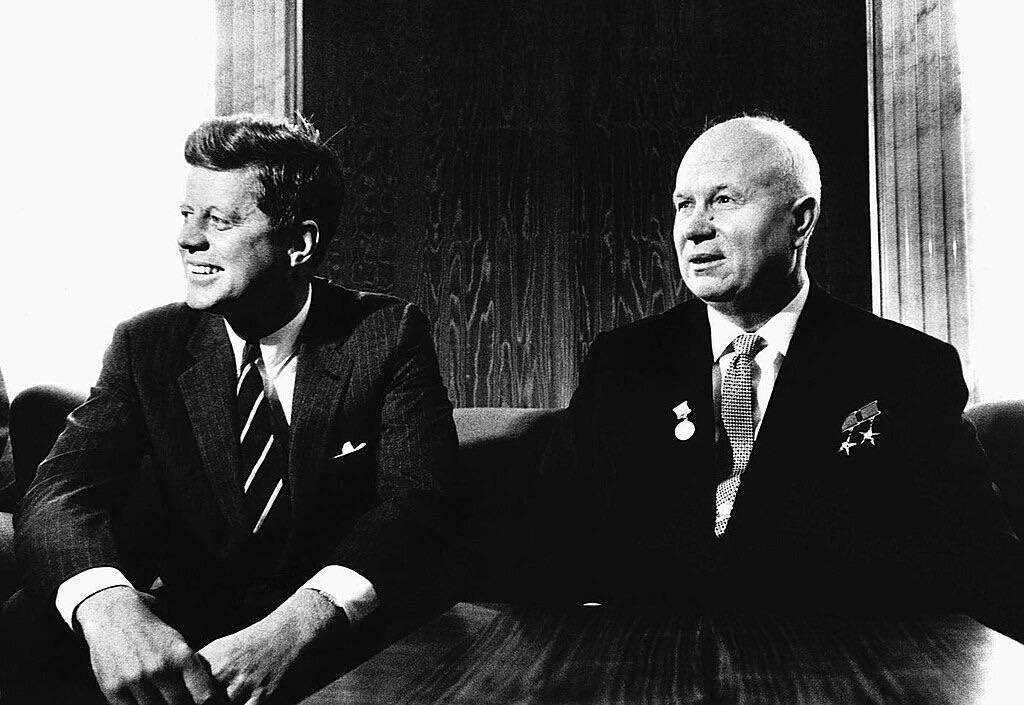
    John F. Kennedy (1917–1963) and Nikita Khrushchev (1894–1971) in Vienna, Austria in May 1961.
    Image Wikipedia

    One

    President John F. Kennedy’s televised announcement on 22 October 1962 brought the world to the brink of nuclear war. What confrontation was it about?

    Answer: Cuban Missile Crisis

    President Kennedy, following advice from Dwight D. Eisenhower, announces that American reconnaissance aircraft have identified Soviet nuclear weapons in Cuba and that he has ordered a naval ‘quarantine’ of the Communist country.


    Two

    Tsar Peter I proclaimed the Russian Empire. In which century was this?

    Answer: 18th (1721)

    > The title was transformed from the previous title of tsar and grand prince of all Russia. The old title tsar (or tsaritsa) continued to be popularly used to refer to the emperor (or empress) until the monarchy was abolished in 1917. — Wikipedia


    Three

    On 22 October 1964, a French writer was awarded the Nobel Prize in Literature, though it was subsequently declined. Who was the author?

    Answer: Jean-Paul Sartre

    Jean-Paul Sartre declined the 1964 Nobel Prize in Literature, citing his refusal to accept official honours and his belief that the prize favoured Westerners and Eastern rebels. The Swedish Academy acknowledged his decision but maintained the validity of the award.


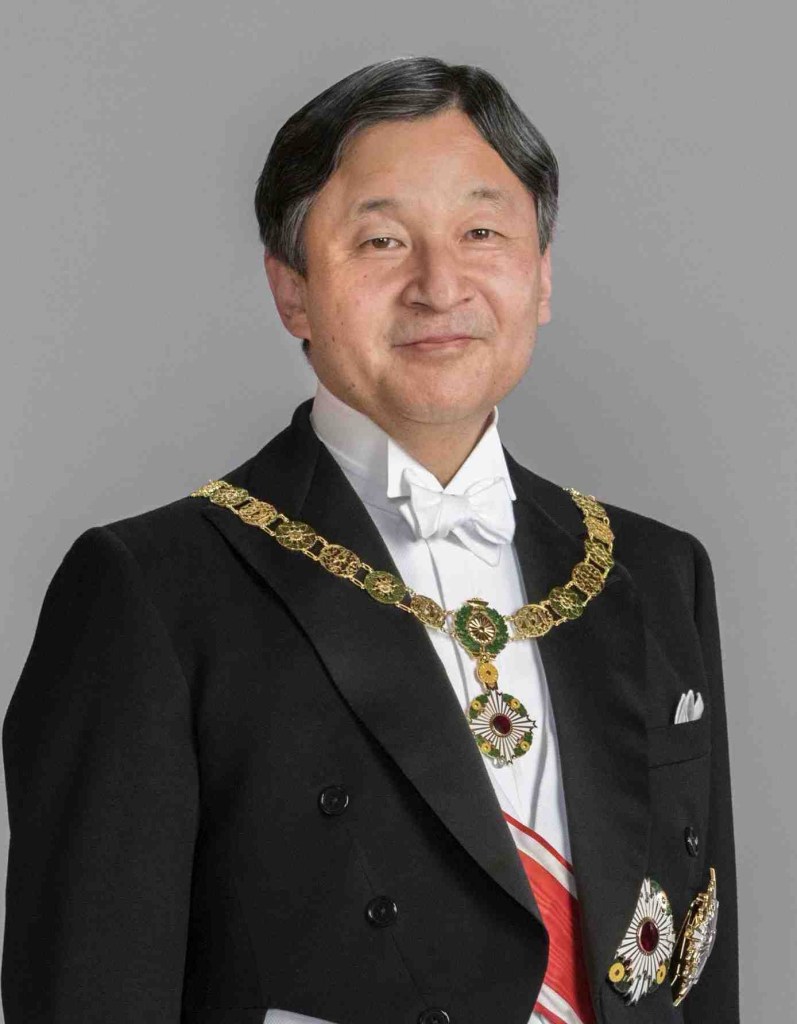
    Emperor Naruhito, official portrait 2019.
    Image Wikipedia

    Four

    Naruhito was officially enthroned as Japan’s 126th emperor on 22 October 2019. Earlier that year, he had ascended the Imperial Throne following the abdication of whom?

    Answer: Emperor Akihito


    Five

    Who became the first President of the Republic of Texas on 22 October 1836?

    Answer: Sam Houston

    Good luck! I’ll post the answers later.