The answers to my earlier post are shown in bold below.

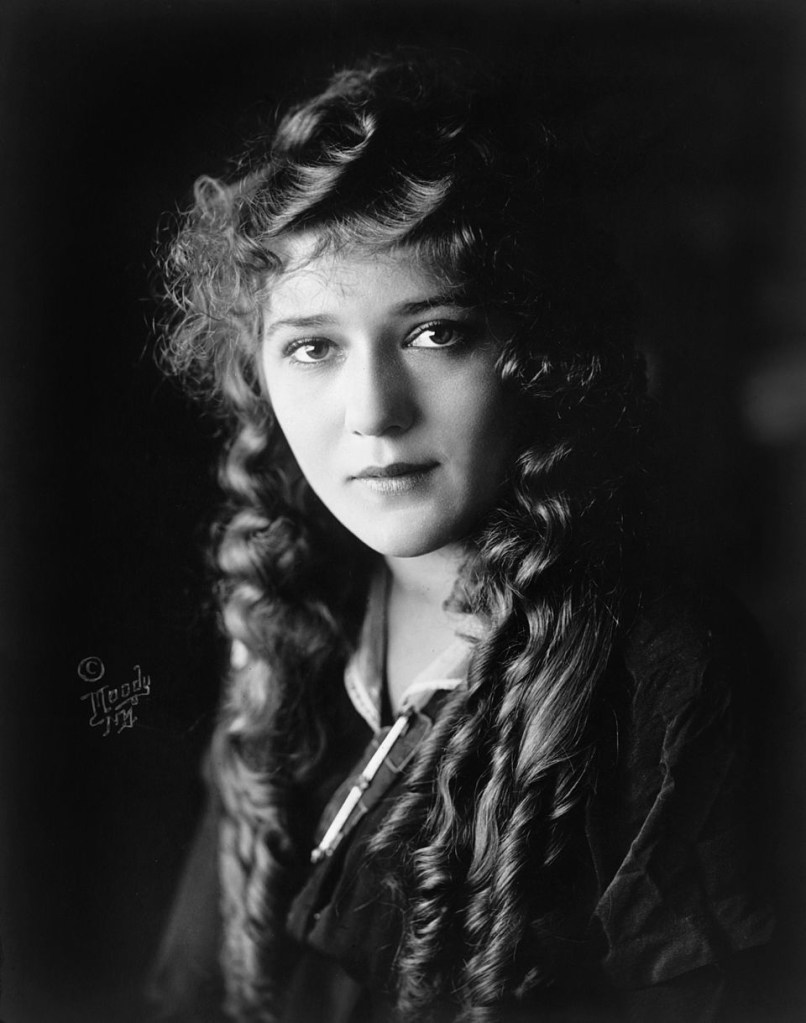
- Mary Pickford—Mary Pickford, born Gladys Louise Smith, was a Canadian-American actress and producer who became a pioneer in the American film industry. Known as “America’s Sweetheart” and “The Queen of the Movies,” she gained fame through silent films such as The Poor Little Rich Girl and Rebecca of Sunnybrook Farm. Pickford co-founded United Artists alongside D.W. Griffith, Charlie Chaplin and Douglas Fairbanks. After retiring from acting in 1933, she focused on her work with United Artists and engaged in various charitable activities.
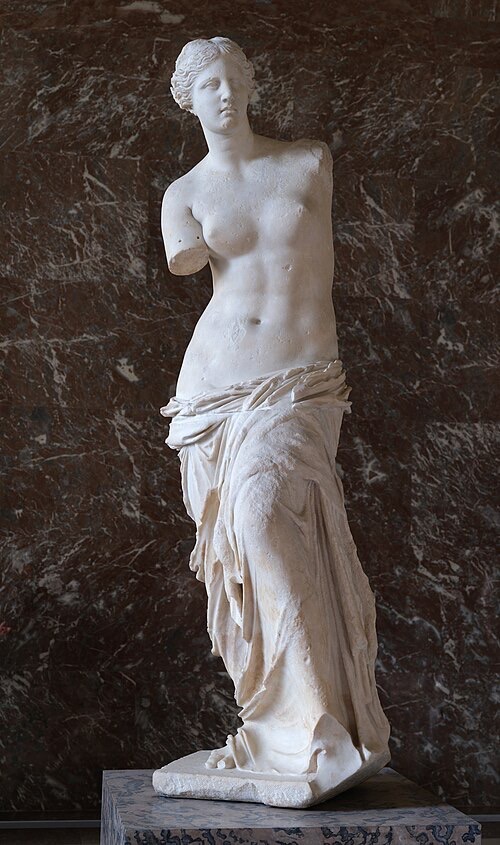
Venus de Milo. Wikipedia - Aphrodite—The Venus de Milo, a larger-than-life marble statue of Aphrodite carved by Alexandros around 150 BCE, was discovered on Melos in 1820. Inspired by a 4th-century Corinthian statue, it exemplifies Hellenistic sculptural tradition. Missing both arms and with an uncertain original position, the Parian marble sculpture has been displayed at the Louvre since 1821 and has inspired many artistic works and cultural references.
- Between the 6th and 4th centuries BCE— Siddhartha Gautama, known as the Buddha, established Buddhism in South Asia during the 6th or 4th century BCE. He advocated for a Middle Way between excessive indulgence and strict asceticism to achieve liberation from suffering. Buddhism developed into Theravada, Mahayana and Vajrayana traditions, expanding from India to Southeast and East Asia. Born in Lumbini, Nepal, and passing away in Kusinara, India, the Buddha’s teachings were spread by his followers, who commemorate significant events in his life, such as his birth, enlightenment and nirvana.

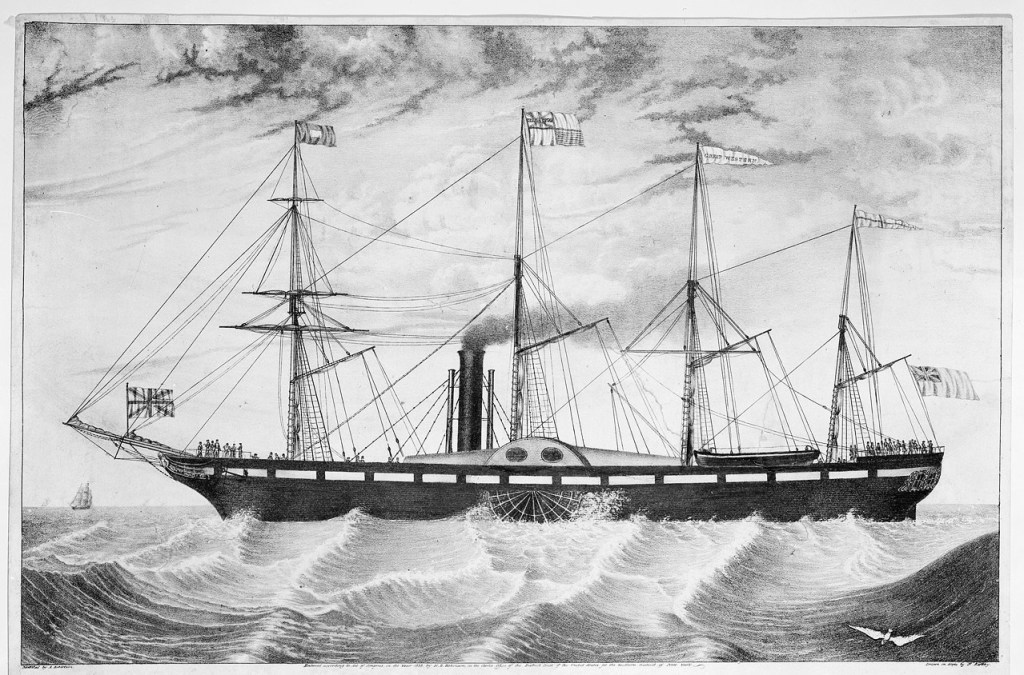
Isambard Kingdom Brunel, who designed the SS Great Western, pictured with launching chains of the SS Great Eastern. Wikipedia - SS Great Western—The SS Great Western, designed by Isambard Kingdom Brunel, was the first steamship built for transatlantic crossings. Wooden-hulled, it was the largest passenger ship from 1837 to 1839 and served as a model for future paddle-steamers.
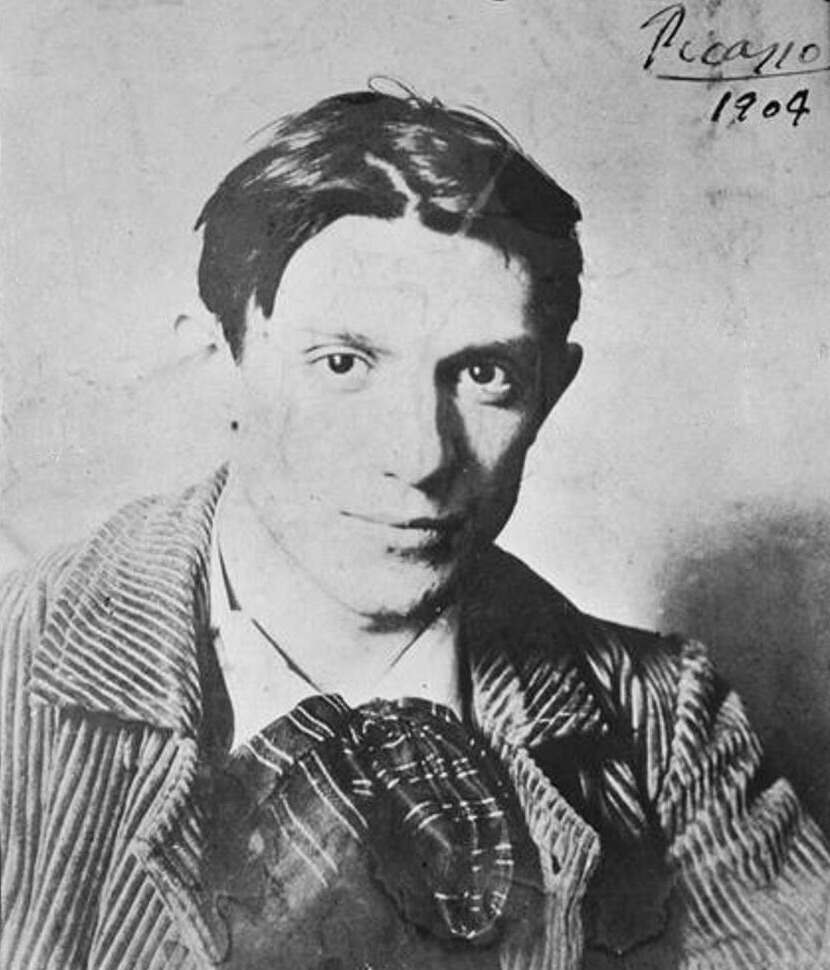
- P. Ruiz— Encyclopædia Britannica states that Picasso’s baptismal names are “Pablo Diego José Francisco de Paula Juan Nepomuceno Crispín Crispiniano María de los Remedios de la Santísima Trinidad Ruiz Picasso”; Ruiz and Picasso being respectively his father’s and mother’s surnames. It further states in regard to his signing his works, “As a youth, Picasso was known as Pablo Ruiz, and he signed his earliest paintings P. Ruiz. By the turn of the 20th century he was using P.R. Picasso for paintings and drawings, but in late 1901 he finally settled on simply Picasso as his signature.”

 Quizology.Online