The British Colonial Secretary, announced on 21 February 1966 that a British protectorate would gain independence later in the year and be renamed Botswana.
What was the name of the British protectorate?
Barotseland
Bechuanaland
Nyasaland
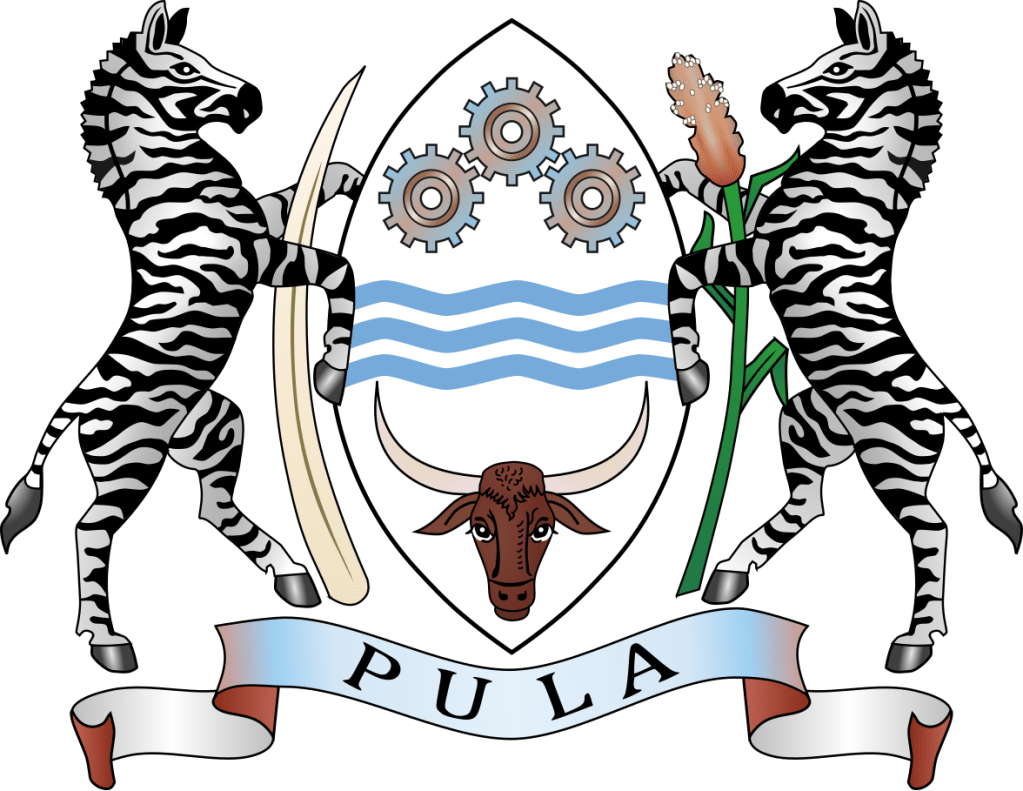
Botswana has a one word motto Pula, what does it mean in English?
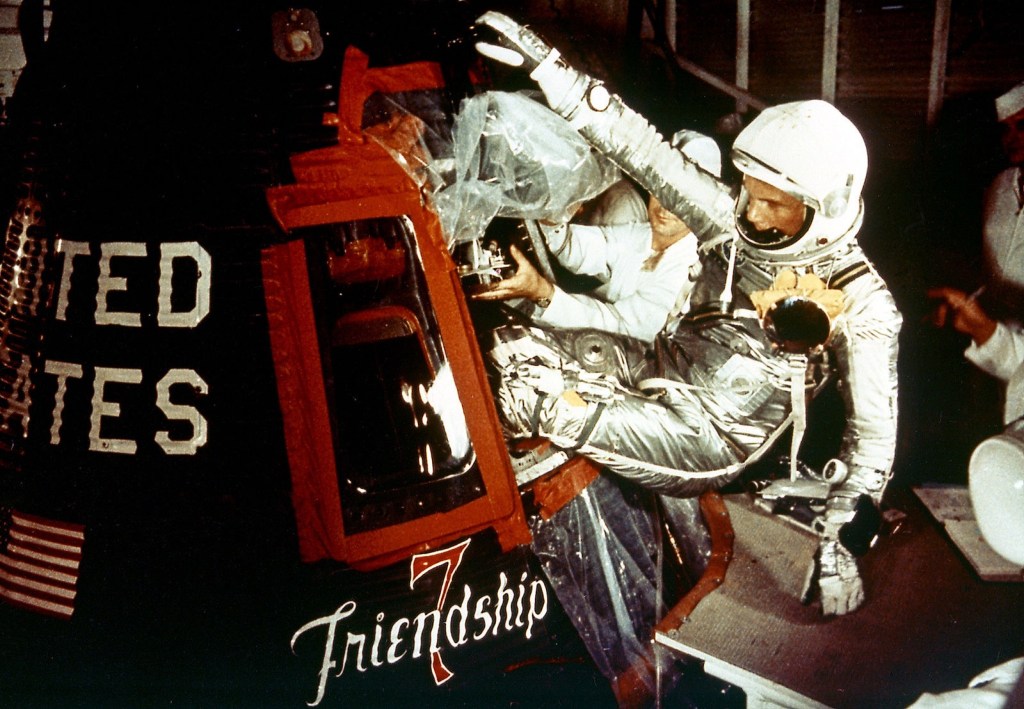
John Glenn boarding Friendship 7. [Image from Wikipedia]
On February 20, 1962, John Glenn, aboard Friendship 7, made history as the first American to orbit the Earth. This achievement was a significant milestone for NASA, following the successes of the Soviet space program.
John H. Glenn, Jr., the eldest of the Mercury Seven—the seven astronauts chosen by NASA for Project Mercury spaceflight training—completed three orbits of the Earth, landing safely in the Atlantic Ocean. His flight lasted 4 hours and 56 minutes.
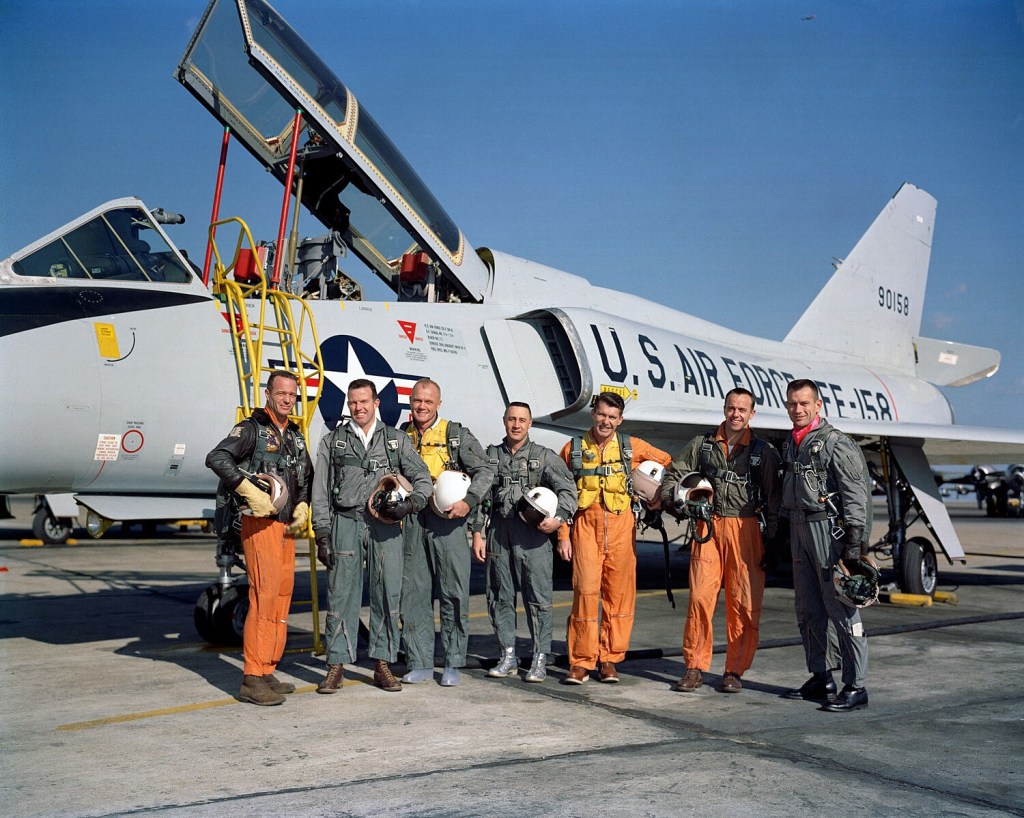
The Mercury Seven astronauts with a U.S. Air Force Convair F-106B Delta Dart aircraft at Langley Air Force Base. From left to right: Scott Carpenter, Gordon Cooper, John Glenn, Gus Grissom, Wally Schirra, Alan Shepard and Deke Slayton. [Image from Wikipedia]
In 1959, NASA had selected Glenn and six other military test pilots as the nation’s first astronauts, and the Friendship 7 flight made Glenn the third American and the fifth person to venture into space.
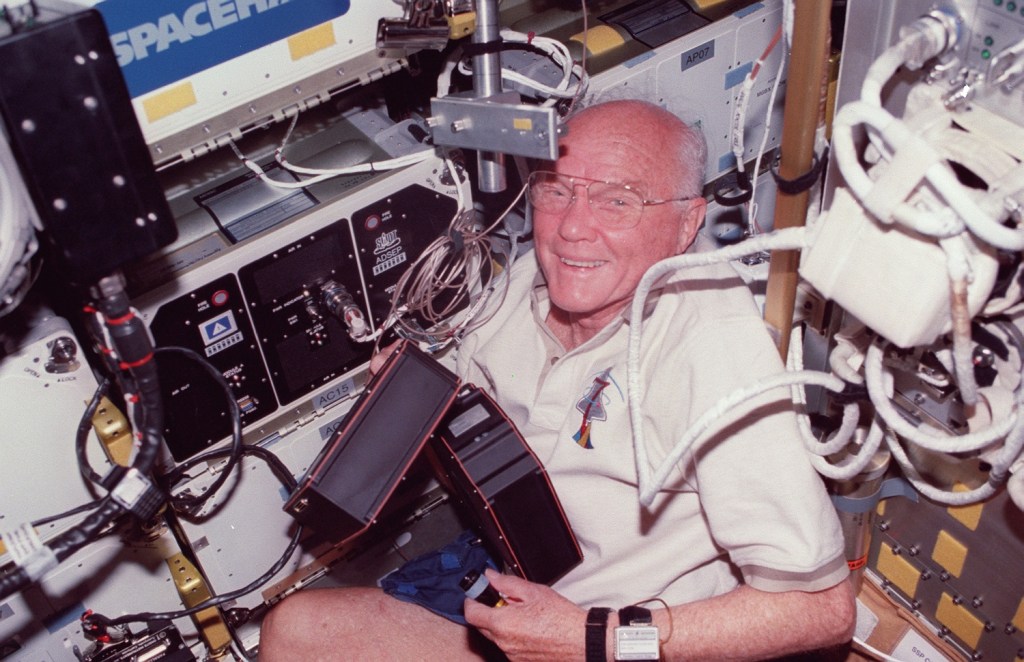
Senator-astronaut John Glenn on the shuttle Discovery.(1998) [Image fromWikipedia]
Even at the remarkable age of 77 in 1998, Glenn continued to inspire generations by becoming the oldest human to travel in space. His unwavering dedication and remarkable achievements were a testament to his enduring legacy.
The following comment is attributed to John Glenn…
I guess the question I’m asked the most often is: “When you were sitting in that capsule listening to the count-down, how did you feel?” Well, the answer to that one is easy. I felt exactly how you would feel if you were getting ready to launch and knew you were sitting on top of two million parts — all built by the lowest bidder on a government contract.
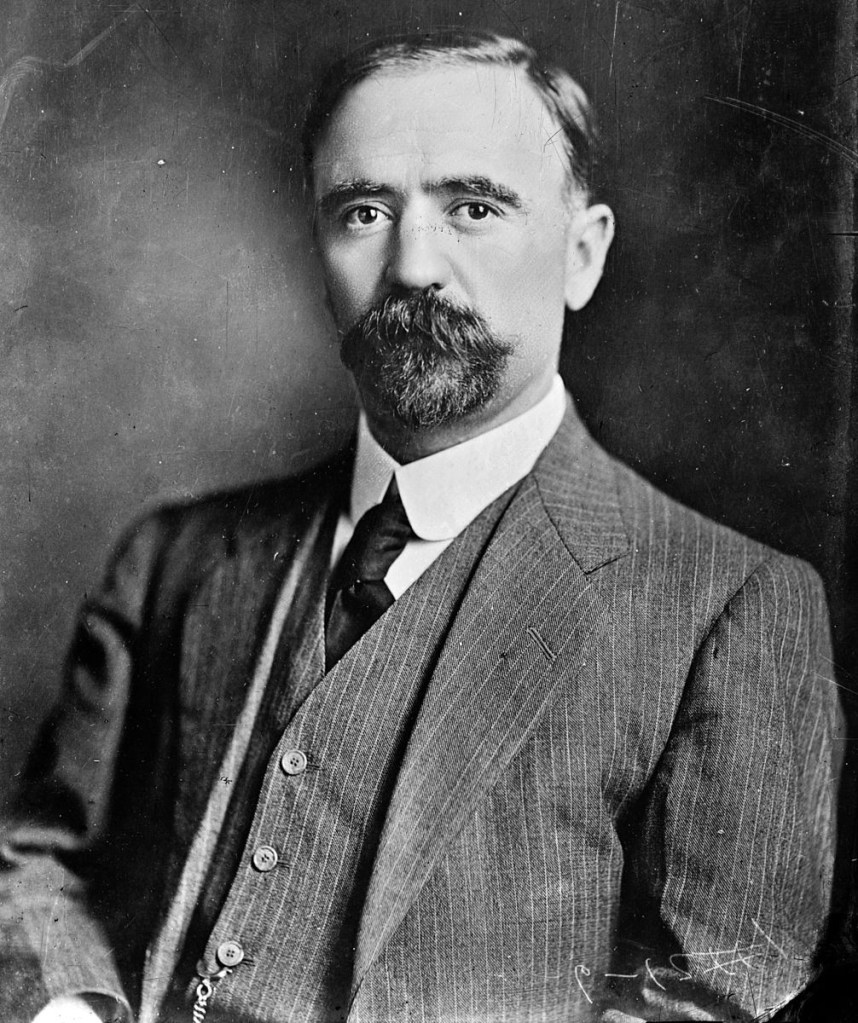
President Francisco Madero. 37th President of Mexico. [Image from Wikipedia]
Pedro Lascuráin’s 45-minute presidency, unlike other brief period in office, was entirely intentional. Lascuráin played a crucial role in the Mexican Revolution, which involved the transfer of power from President Francisco Madero to dictator Victoriano Huerta. Here’s how it unfolded.
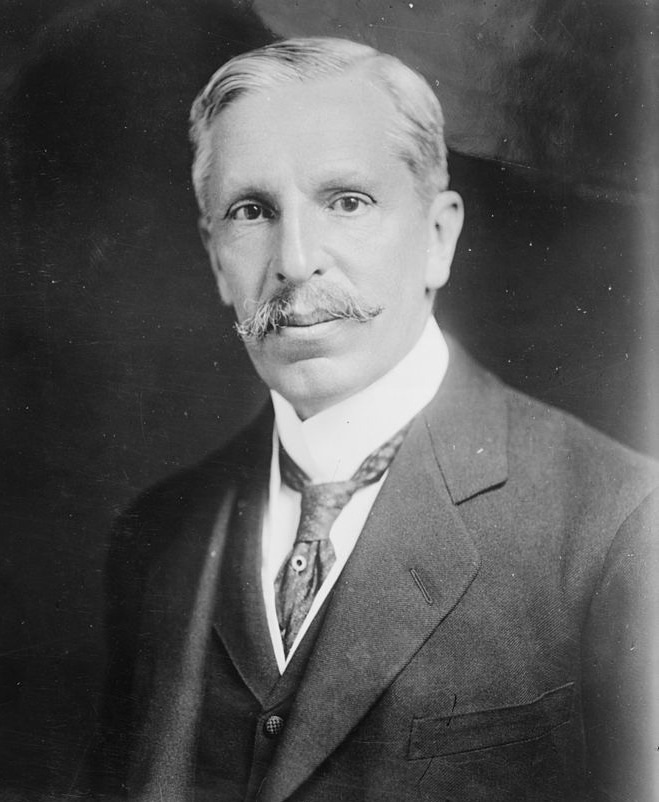
Pedro Lascuráin. 38th President of Mexico. [Image from Wikipedia]
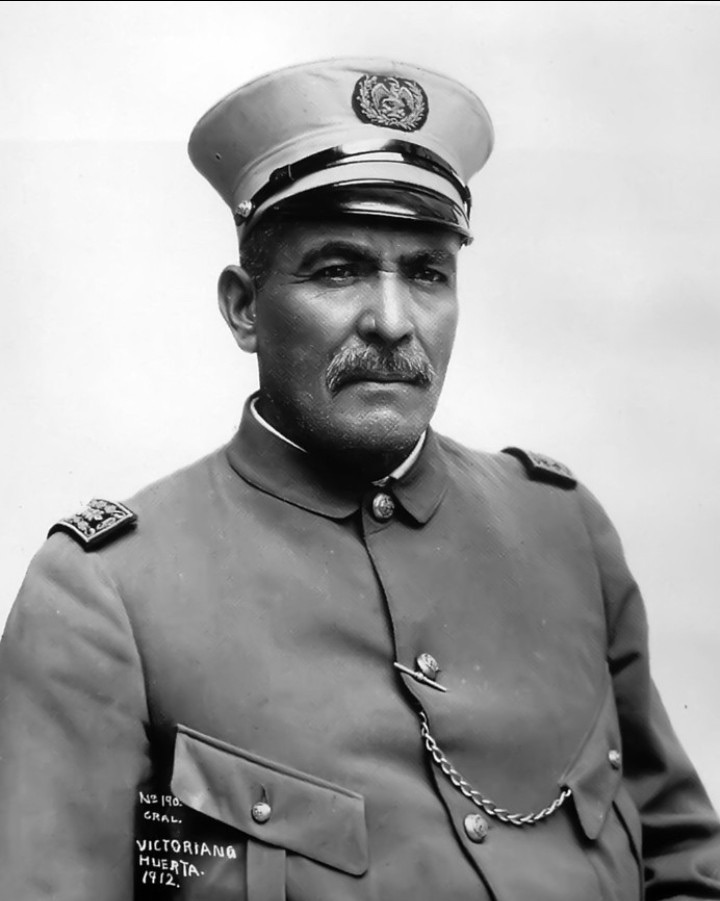
As the minister of foreign affairs, Lascuráin held the third position—after the president and vice president—in the line of succession to the presidency. However, Huerta exploited this position to his advantage. He orchestrated a fake battle to create unrest and persuade Madero and his vice president to resign. Tragically, they were later murdered while attempting to flee Mexico. Lascuráin ascended to the presidency, but his tenure was marked by only one significant act: appointing Huerta as a member of his cabinet. Subsequently, he promptly resigned, paving the way for the next in line, his new cabinet minister, Victoriano Huerta.
Victoriano Huerta. 39th President of Mexico. [Image from Wikipedia]
Adventures of Huckleberry Finn, a novel by Mark Twain, was published in the UK in 1884 and the US in 1885. The book’s narrator, Huckleberry Finn, uses simple language to describe scenes, characters, and narrate the story with humour and irony.
Huck runs away from his abusive father and travels down the Mississippi River with Jim, a runaway slave. Along the way, he meets various characters and learns to overcome racial prejudices and respect Jim. The book describes the river and surrounding forests, showcasing Huck’s good nature and humour. However, it also highlights human cruelty, both individual acts and societal institutions like slavery.
Twain’s novel, along with The Adventures of Tom Sawyer, revolutionised children’s and American literature by presenting a realistic portrayal of boyhood. It’s a classic of American realism, especially for its depiction of the pre-Civil War South through dialect. This realism sparked controversy in the late 20th century, with some finding the language offensive. Despite Huck’s friendship with Jim, the book was considered racist. The publication of a bowdlerised version in 2011 generated further debate and was deemed equally unacceptable.
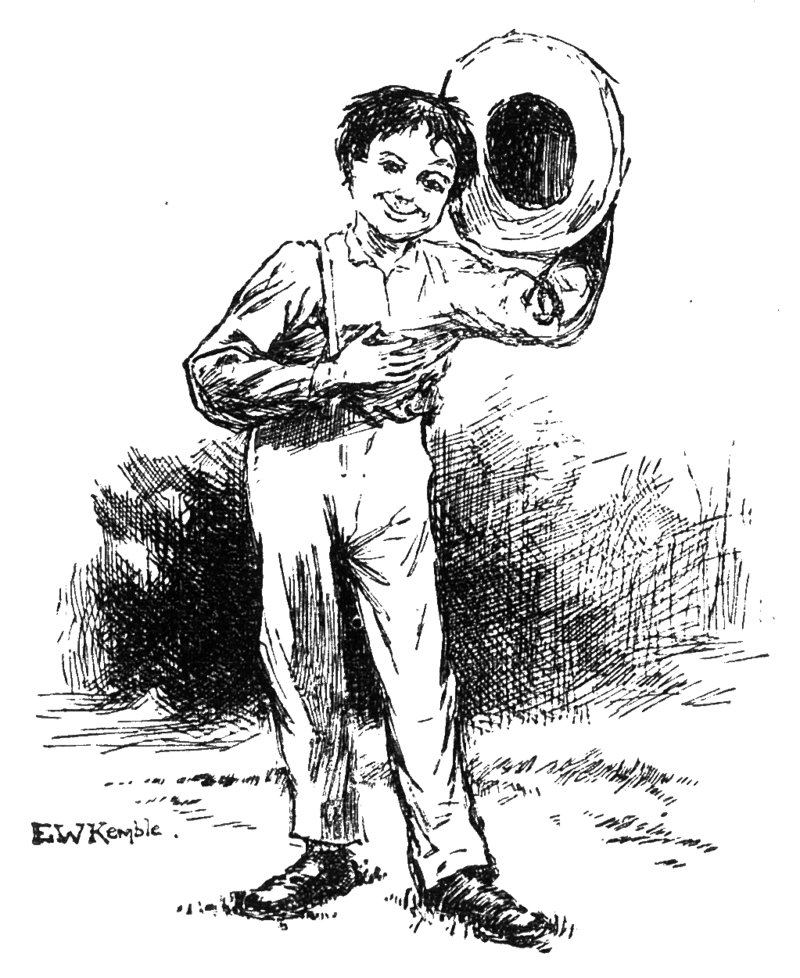
Tom’s most well, now, and got his bullet around his neck on a watch-guard for a watch, and is always seeing what time it is, and so there ain’t nothing more to write about, and I am rotten glad of it, because if I’d a knowed what a trouble it was to make a book I wouldn’t a tackled it and aint’t agoing to no more. But I reckon I got to light out for the Territory ahead of the rest, because Aunt Sally she’s going to adopt me and sivilize me and I can’t stand it. I been there before.
The above quote by the title character is the last paragraph of a book published in the US on 18 February 1885 (it had been published in the UK two months previously).
Who is the author of this work?
Charles Dickens
Rudyard Kipling
Mark Twain
What is the title of the novel? (There is no multiple-choice this time)
“Oh, I was only twenty four hours from Tulsa Ah, only one day away from your arms I saw a welcoming light And stopped to rest for the night”
The song, titled Twenty Four Hours from Tulsa, achieved international stardom for Pitney due to its chart success peaking at number five in the UK and seventeen in the US. Written by Burt Bacharach and Hal David, the song is featured on Pitney’s fifth album, Blue Gene.
The lyrics narrate a man’s journey home to his beloved, where he stops at a motel for the night and falls in love with a woman who takes him to a café, ultimately abandoning his return home.
“Oh, I was only twenty four hours from … Ah, only one day away from your arms I saw a welcoming light And stopped to rest for the night”
The above lines are taken from a Burt Bacharach and Hal David song that achieved chart success in 1963—a top five hit in the UK and a top twenty hit in the US.
Q1. What US city was the singer only twenty-four hours away from?
Q2. Who is the singer, born on 17 February, who achieved the chart success mentioned above?
Q1. A.60 days and 21 hours Q2. B. USS Triton Q3. A. Captain Edward L. Beach Jr. Q4. B. Jules Verne
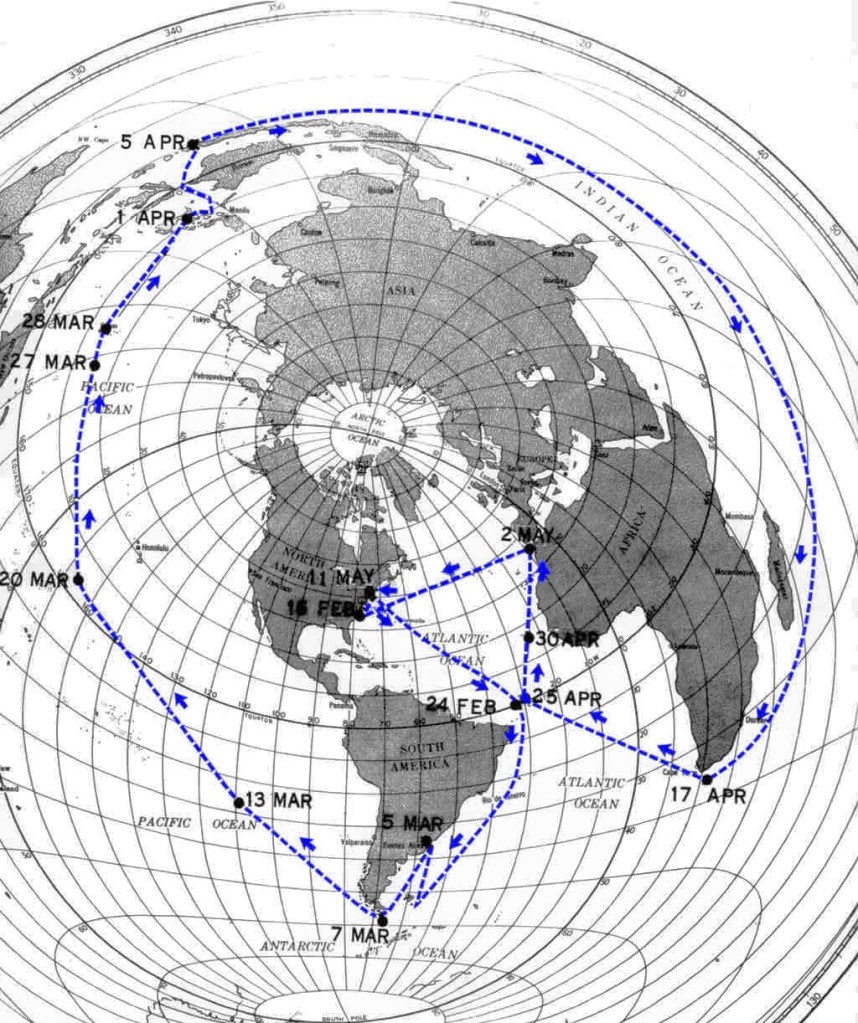
Map of the 1960 circumnavigation of the world by the U.S. nuclear-powered submarine USS Triton (SSRN-586). [Image from Wikipedia]
Operation Sandblast, as this first-ever submerged circumnavigation of the globe was named, was accomplished by the United States Navy’s nuclear-powered submarine, USS Triton (SSRN-586), in 1960.
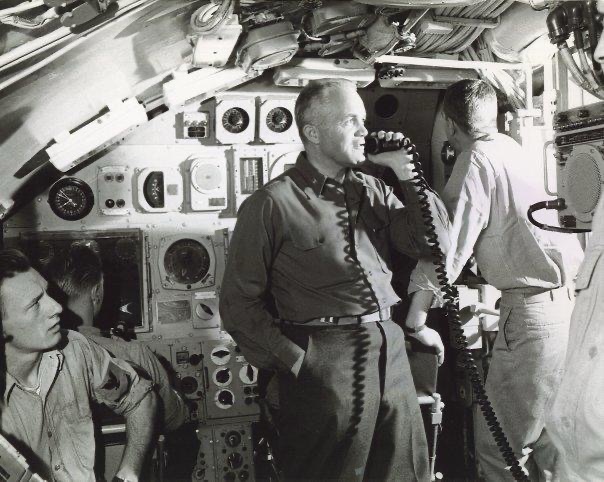
Captain Edward L Beach announcing Operation Sandblast to crew onboard USS Triton, 17 February 1960. [Image from Wikipedia]
First Submerged Circumnavigation
Led by Captain Edward L. Beach Jr., the Triton departed New London, Connecticut on 16 February 1960 to head to the start /finish line for the journey—the St. Peter and Paul Rocks in the middle of the Atlantic Ocean, near the Equator.
The Triton crossed the equator four times and notably, Triton’s overall navigational track during Operation Sandblast was similar to that of the historic Spanish expedition that successfully completed the first circumnavigation of the world.
Historic First Circumnavigation
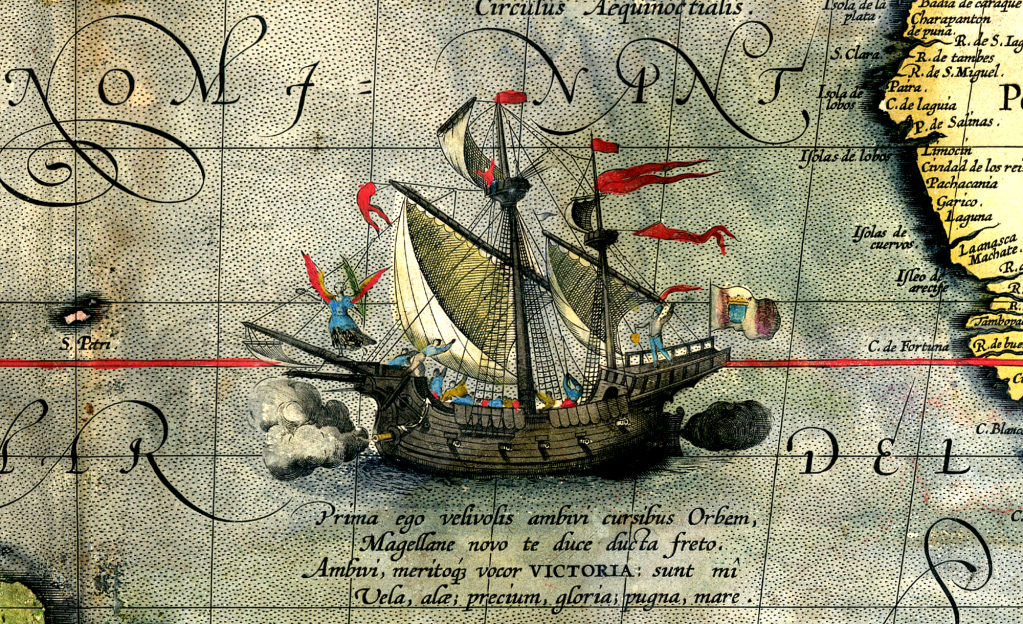
In 1519, Portuguese explorer Ferdinand Magellan started an epic journey that took his expedition all the way around the world; Spanish explorer Juan Sebastián Elcano finished it in 1522. Of the 270 men and five ships that set sail, only about 40 men and one ship made it back. Magellan died in battle in the Philippines in April 1521.
Nao Victoria, the only ship in the fleet to complete the circumnavigation. Detail from a map by Abraham Ortelius, 1590. [Image from Wikipedia]
*Ten Thousand Leagues Under the Sea
The title is a poetic licence as the actual distance travelled converts to 10,251 leagues. This conversion from 26,723 nautical miles to leagues was carried out at metric-conversions.org.



 Quizology Online