The answers to my earlier post are shown highlighted below.
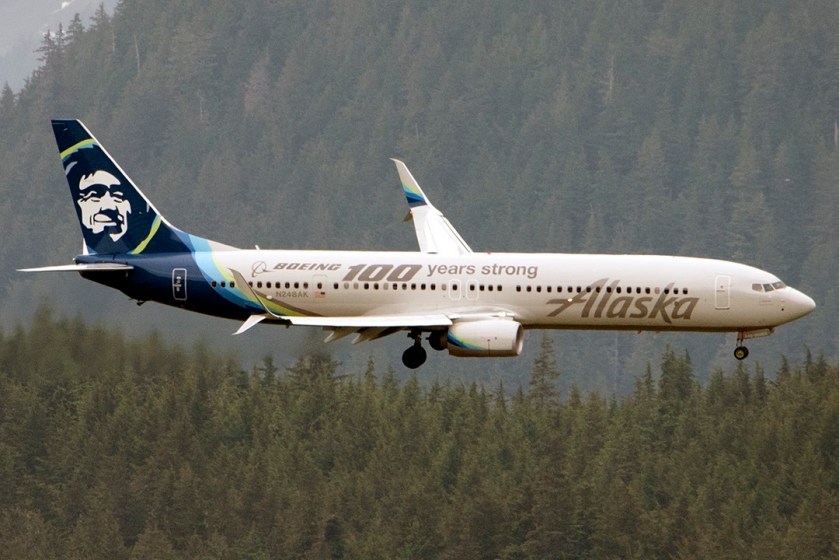
Image Wikipedia
One
On 15 July 1916, in Seattle, Washington, William Boeing and George Conrad Westervelt incorporated…
- BoWes Aviation Company
- Northwest Airplane Corporation
- Pacific Aero Products Company
Answer: Pacific Aero Products Company
William E. Boeing, fascinated by airplanes after seeing one in 1909, bought a shipyard in 1910 and built his first airplane factory. After a crash damaged his Martin seaplane, he built his own, the ‘B&W’, with the help of George Conrad Westervelt and later Wong Tsu. Boeing incorporated his business as Pacific Aero Products Company in 1916 and changed the name to Boeing Airplane Company in 1917.
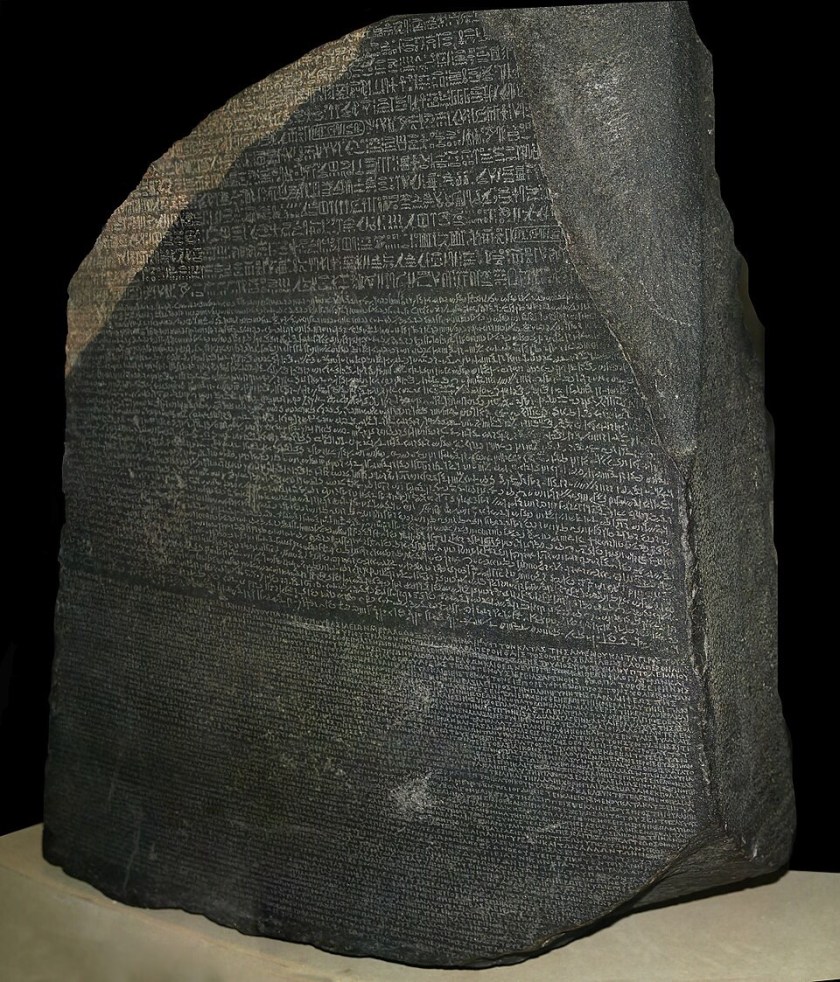
Image Wikipedia
Two
The Rosetta Stone was discovered on 15 July 1799. Where was it found?
- Egypt
- Greece
- Rome
Answer: Egypt
In 1799, French soldiers in Napoleon’s army in Egypt discovered a stone with three inscriptions, including hieroglyphs and Greek, at Fort Julien near Rosetta. The Rosetta Stone, a granodiorite stele, contains a 196 BC decree in hieroglyphic, Demotic and Ancient Greek, aiding in deciphering Egyptian scripts.
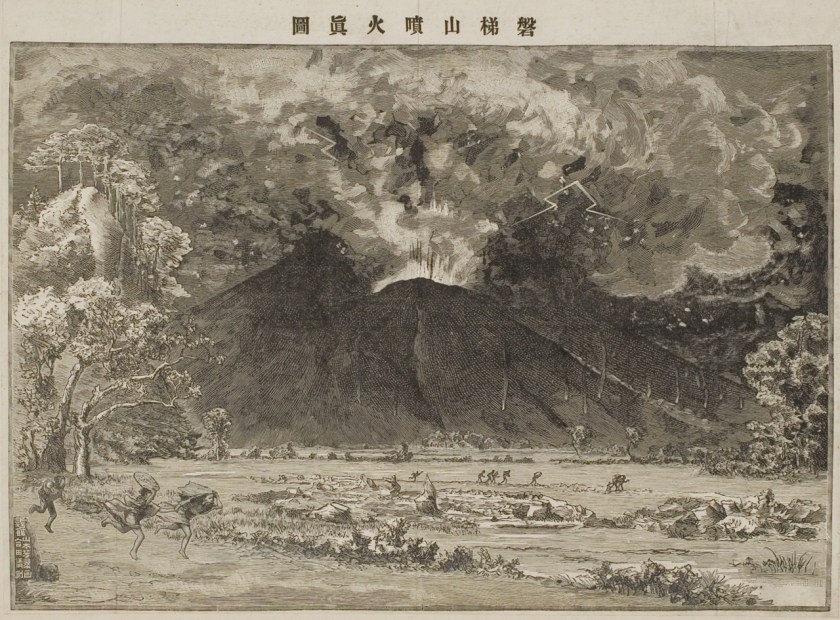
Image Wikipedia
Three
On 15 July 1888, Mount Bandai, a stratovolcano, erupted, resulting in an estimated 500 fatalities. Mount Bandai is located in which country?
- Indonesia
- Japan
- Philippines
Answer: Japan
On 15 July 1888, Mount Bandai in the Iwashiro Province (now part of Fukushima Prefecture) in the Empire of Japan erupted. The eruption, preceded by earthquakes, caused pyroclastic flows that buried villages and devastated the eastern part of the Bandai region. The tragedy resulted in at least 477 fatalities and hundreds of injuries.
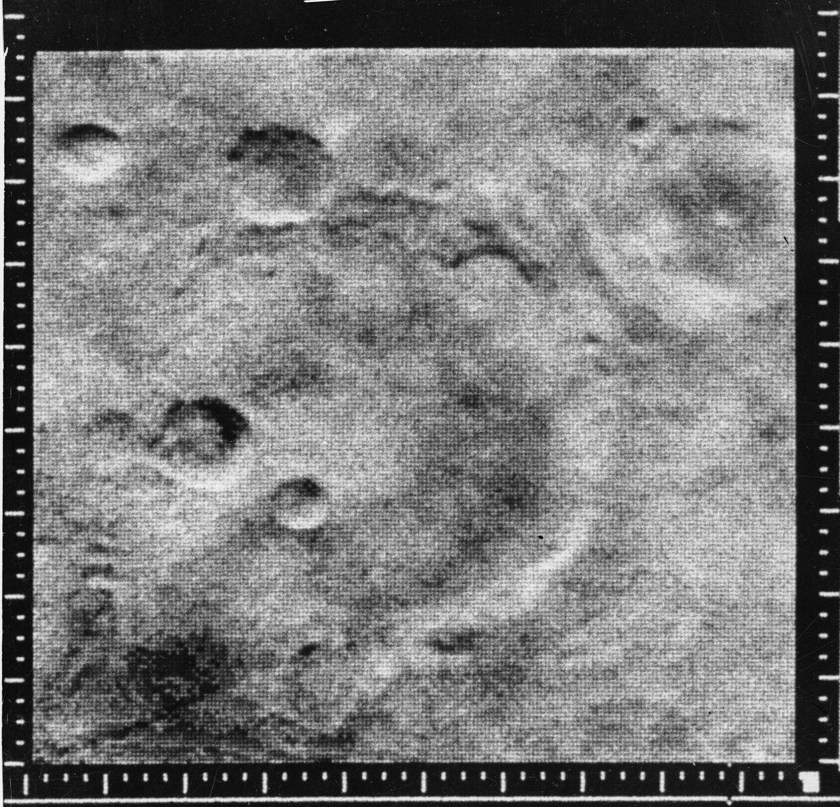
Image NASA
Four
On this day in 1964, a NASA space probe took the first close-up pictures of another planet and began transmitting them back to Earth the following day. What planet was photographed?
- Mercury
- Venus
- Mars
Answer: Mars
Picture No. 11 of the Mariner sequence must surely rank as one of the most remarkable scientific photographs of this age.
– ROBERT B. LEIGHTON. Mariner 4 Principal Investigator, Caltech, speaking at the White House. July 29, 1965
Mariner 4: Image No. 11, Mariner Crater (shown above)
This photo clearly showed craters upon craters — and nothing else — a “scientifically startling fact,” according to the Mariner imaging team. They saw a desolate landscape that had scarcely changed in 2 to 5 billion years, an environment more like the lifeless Moon than any place on Earth.
They called the revelation “profound,” not just for what it suggested about Mars’ past and present, but because it “further enhances the uniqueness of Earth within the solar system.” NASA

Five
The Spanish Inquisition was officially disbanded on 15 July 1834. How many years had it been in operation?
- 241
- 298
- 356
Answer:
The Spanish Inquisition, established in 1478 by the Catholic Monarchs, aimed to maintain Catholic orthodoxy and replace the Medieval Inquisition. It targeted heretics, particularly those who converted from Judaism and Islam, leading to forced conversions, torture, executions, and mass expulsions. The Inquisition, which lasted until 1834, expanded to other Spanish territories and targeted various offences, resulting in around 150,000 prosecutions and 3,000 to 5,000 executions.









 Quizology.Online