All of today’s questions are connected to the date, March 20th. There are three places, two people and a year to find in these multiple-choice questions.
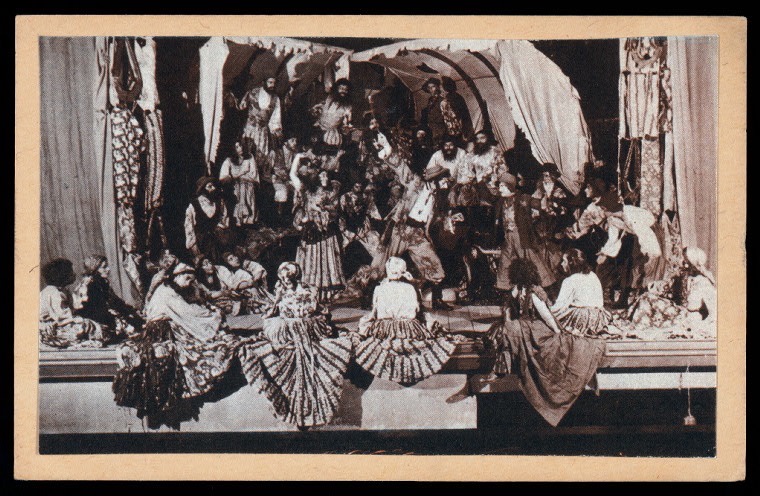
The first Romani language operetta, Children of the Forests, premiered on 20 March 1888. Where was it staged?
Bucharest, Romania
Kyiv, Ukraine
Moscow, Russia
Two
In 1923, the Arts Club of Chicago hosted the United States’ first showing of Original Drawings by… This event signalled the club’s early embrace of modern art in America. There is an artist’s name missing from the show’s title: who is the artist?
Salvador Dali
Pablo Picasso
Jackson Pollock
Three
Harriet Beecher Stowe’s Uncle Tom’s Cabin was first published on this date in 1852. Between 1832 and 1850 she lived in a city where her personal observations and research informed the basis of her story. Where was this city?
Alexandria, Virginia
Baltimore, Maryland
Cincinnati, Ohio
Four
Who became the first woman to win the Iditarod Trail Sled Dog Race, and when did she achieve this?
Kelly Quinault in 1973
Libby Riddles in 1985
Molly Semyonova in 1997
Five
Albert Einstein submitted his paper The Foundation of the General Theory of Relativity in 1916. Where was he working at that time?
People, places, and events from today’s date, March 19th, feature in these questions.
One
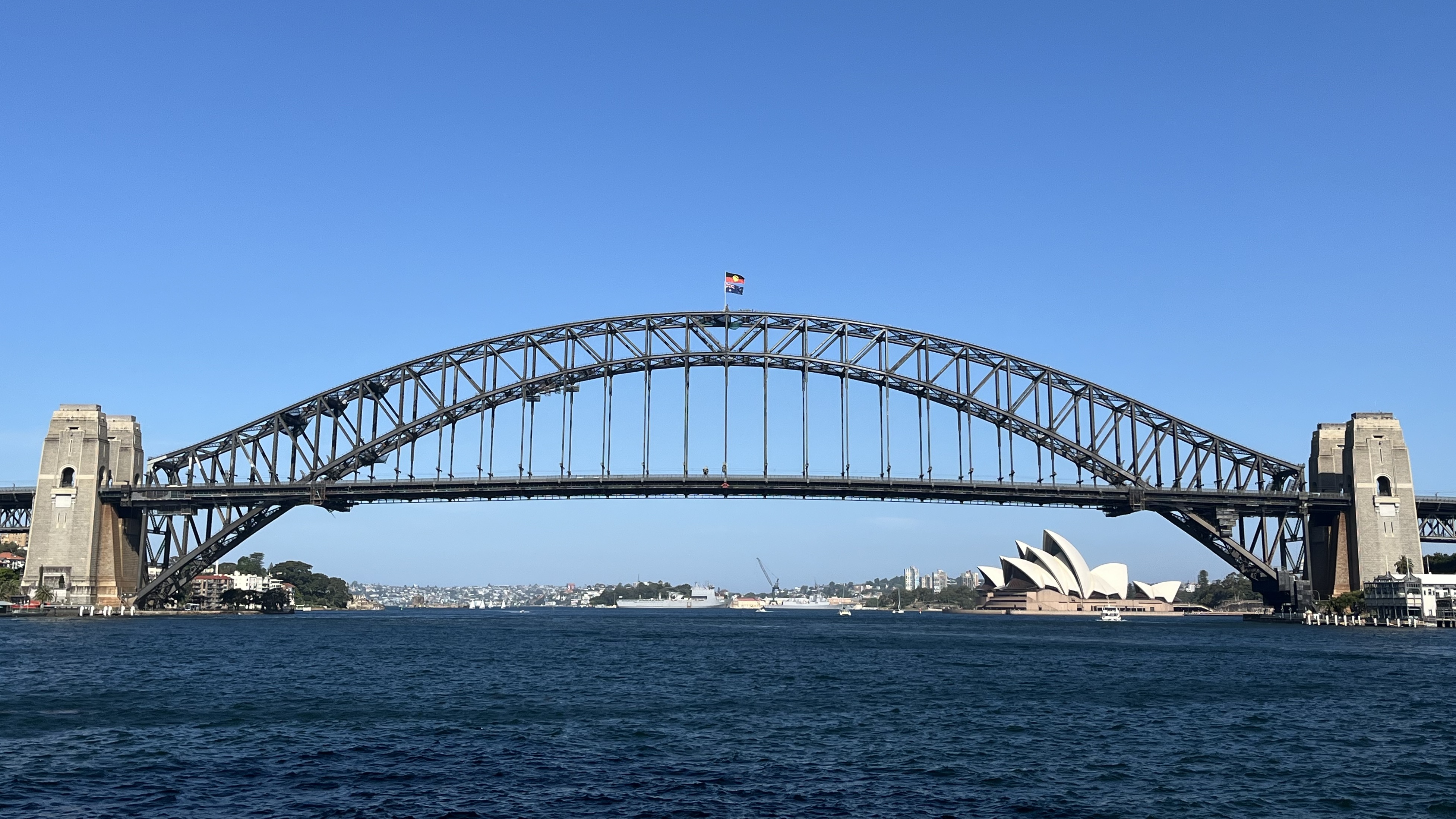
On this date, the Sydney Harbour Bridge was opened. In what decade did this occur?
Answer: 1930s
Opened in 1932, the Sydney Harbour Bridge, a steel through arch bridge, connects Sydney’s CBD to the North Shore. An iconic image of Sydney, nicknamed the ‘Coathanger’, it carries rail, vehicular, bicycle and pedestrian traffic.
Two
A writer who had been born in 1917 died in Colombo, Sri Lanka, on 19 March 2008. His best-known works include the script he wrote with director Stanley Kubrick for 2001: A Space Odyssey and his novel of that film. Who is this writer?
Answer: Arthur C. Clarke.
Arthur C. Clarke was an English writer known for his science fiction and non-fiction works. He co-wrote the script for the film 2001: A Space Odyssey and its novelisation. Clarke’s notable works include Childhood’s End, Rendezvous with Rama, and The Fountains of Paradise. He was knighted in 2000.
Three
This American actor, who was born in West Germany in 1955, earned a Best Supporting Actor Golden Globe nomination in 1990 for his role as Emmett Smith in the film In Country. Who is he?
Answer: Bruce Willis
In Country (1989) follows Samantha Hughes, a recent high school graduate, as she becomes fixated on learning about her deceased father a Vietnam veteran. Staying with her Uncle Emmett (Bruce Willis) another veteran she embarks on a journey to the Vietnam Veterans Memorial in Washington D.C. seeking closure. Bruce Willis, a retired American actor, is renowned for his action roles, particularly his portrayal of John McClane in the Die Hard franchise. He starred in over 100 films including Pulp Fiction and The Sixth Sense, earning numerous accolades throughout his career. Willis retired in 2022 due to aphasia and was diagnosed with frontotemporal dementia in 2023.
Four
This 20th-century national leader issued his ‘Nero Decree’, ordering that all of the nation’s ‘industries, military installations, shops, transportation facilities, and communications facilities be destroyed’? Who was he, and what was the country?
Answers: Adolf Hitler; Germany.
The Nero Decree, issued by Hitler in March 1945, ordered the destruction of German infrastructure to prevent its use by the Allies. It was disobeyed by Albert Speer, Minister of Armaments and War Production, before the Nazi regime’s fall.
Five
American actress Glenn Close, born on 19 March 1947 in Greenwich, Connecticut, received her first Academy Award nomination for her debut film. This was for her role as Jenny Fields in a 1982 film with a five-word title: The World ——. What film?
Answer: The World According to Garp.
Glenn Close is an American actress with a career spanning five decades. She has won numerous awards, including three Emmys, three Tonys, and three Golden Globes, as well as having been nominated for eight Academy Awards. Her debut film role earned her a Best Actress in a Supporting Role nomination for The World According to Garp. Close, who is known for her work in film, television, and theatre, is a vocal advocate for women’s rights, same-sex marriage, and mental health.
People, places, and events from today’s date, March 19th, feature in these questions.
One
On this date, the Sydney Harbour Bridge was opened. In what decade did this occur?
Two
A writer who had been born in 1917 died in Colombo, Sri Lanka, on 19 March 2008. His best-known works include the script he wrote with director Stanley Kubrick for 2001: A Space Odyssey and his novel of that film. Who is this writer?
Three
This American actor, who was born in West Germany in 1955, earned a Best Supporting Actor Golden Globe nomination in 1990 for his role as Emmett Smith in the film In Country. Who is he?
Four
This 20th-century national leader issued his ‘Nero Decree’, ordering that all of the nation’s ‘industries, military installations, shops, transportation facilities, and communications facilities be destroyed’? Who was he, and what was the country?
Five
American actress Glenn Close, born on 19 March 1947 in Greenwich, Connecticut, received her first Academy Award nomination for her debut film. This was for her role as Jenny Fields in a 1982 film with a five-word title: The World ——. What film?
Born 1980. Actress who links the following roles: Penelope (in 2004), Isolde (2006), Erika (2003 and 2006), Darcy (2014) and Freya (2008). Who is she?
Rose Keegan
Sophia Myles
Lucy Russell
Answer: 2. Sophia Myles.
Sophia Myles, an English actress, who portrayed the following characters in the associated film. Lady Penelope Creighton-Ward in Thunderbirds(2004), Isolde in Tristan & Isolde(2006), Darcy in Transformers: Age of Extinction (2014), Erika in Underworld(2003) and Underworld: Evolution (2006), and Freya in Outlander (2008)”
Two
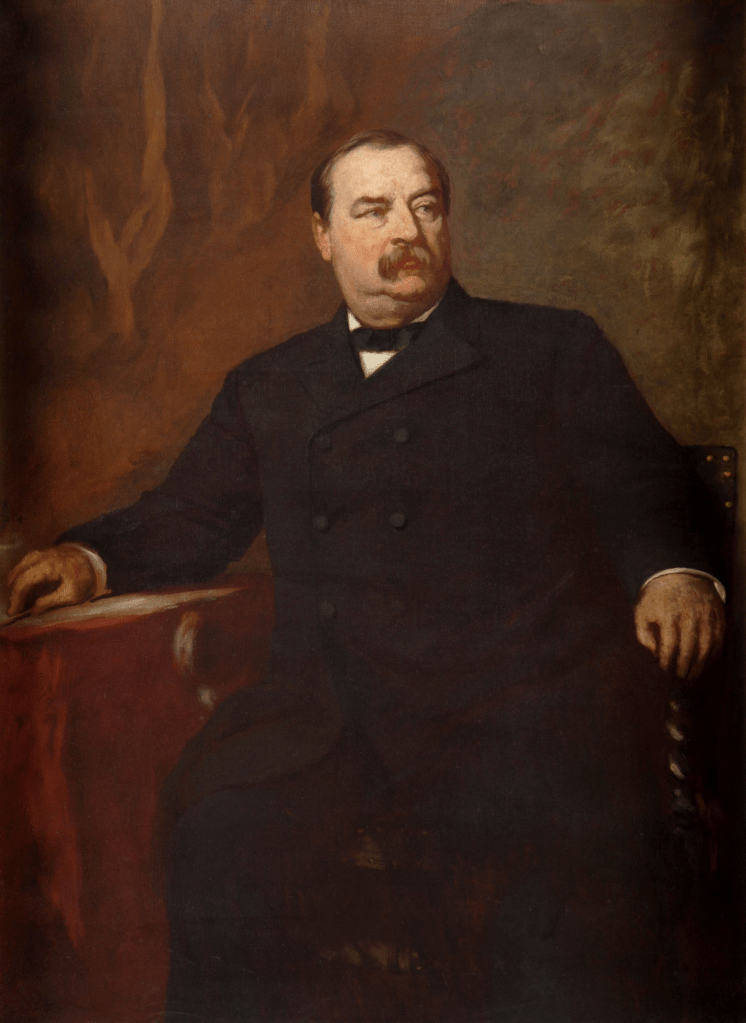
Born 1837, Grover Cleveland, served as the 22nd and 24th president of the United States. Where was he born?
Amherst, New Hampshire
Brighton, New York
Caldwell, New Jersey
Answer: 3. Caldwell, New Jersey.
Stephen Grover Cleveland, the 22nd and 24th President of the United States, was the first Democrat elected after the Civil War and the first president to serve non-consecutive terms. A Bourbon Democrat, he championed political reform, fiscal conservatism and classical liberalism. His presidency was marked by significant legislation like the Interstate Commerce Act and the Dawes Act, as well as challenges like the Panic of 1893 and the Pullman Strike.
Three
Anthem for Doomed Youth was written by a war poet born this day in 1893. Who was he?
Rupert Brook
Wilfred Owen
Siegfried Sassoon
Answer: 2. Wilfred Owen.
Wilfred Owen, an English poet and soldier, expressed anger at war’s cruelty and waste through his poetry. Based on his World War I experiences, his war poetry was about the horrors of trenches and gas warfare. At only 25 years of age, he was killed in action at the Battle of the Sambre on 4 November 1918, exactly a week before the war’s end. His best-known works— most of which were published posthumously— are Anthem for Doomed Youth, Dulce et Decorum est, Futility, and Spring Offensive.
Four
Who is Dana Elaine Owens, born 18 March 1970, a musician and actress, better known as?
Lauryn Hill
Missy Elliott
Queen Latifah
Answer: 3. Queen Latifah.
An American musician and actress, Queen Latifah rose to fame in the late 1980s with her debut album, All Hail the Queen, which blended diverse styles and feminist themes. The name Latifah is Arabic for ‘delicate’ or ‘sensitive’.
Five
Born today in 1869, this British prime minister returned from Germany with a ‘piece of paper’ promising to ‘have brought you back peace — but a peace I hope with honour’. Who was he?
Stanley Baldwin
Neville Chamberlain
Winston Churchill
Answer: 2. Neville Chamberlain.
Prime Minister of the UK from 1937 to 1940 Neville Chamberlain is known for his policy of appeasement towards Hitler’s Germany. He served in various government positions, including Chancellor of the Exchequer, before becoming Prime Minister. Despite signing the Munich Agreement with Hitler in 1938, Chamberlain declared war on Germany less than a year later following the Nazi invasion of Poland.
Born 1980. Actress who links the following roles: Penelope (in 2004), Isolde (2006), Erika (2003 and 2006), Darcy (2014) and Freya (2008). Who is she?
Rose Keegan
Sophia Myles
Lucy Russell
Two
Born 1837, Grover Cleveland, served as the 22nd and 24th president of the United States. Where was he born?
Amherst, New Hampshire
Brighton, New York
Caldwell, New Jersey
Three
Anthem for Doomed Youth was written by a war poet born this day in 1893. Who was he?
Rupert Brook
Wilfred Owen
Siegfried Sassoon
Four
Who is Dana Elaine Owens, born 18 March 1970, a musician and actress, better known as?
Lauryn Hill
Missy Elliott
Queen Latifah
Five
Born today in 1869, this British prime minister returned from Germany with a ‘piece of paper’ promising to ‘have brought you back peace — but a peace I hope with honour’. Who was he?
This is a tale of a meeting of two lonesome, skinny, fairly old white men on a planet which was dying fast…
This quote is the opening of Breakfast of Champions, a 1973 novel by a writer born in Indianapolis in 1922. Who is the writer?
Answer: Kurt Vonnegut.
Kurt Vonnegut’s Breakfast of Champions is a satirical novel critiquing American society through the story of Kilgore Trout and Dwayne Hoover, whose meeting leads to Hoover’s insanity. The novel addresses themes of free will, suicide and race relations.
Two
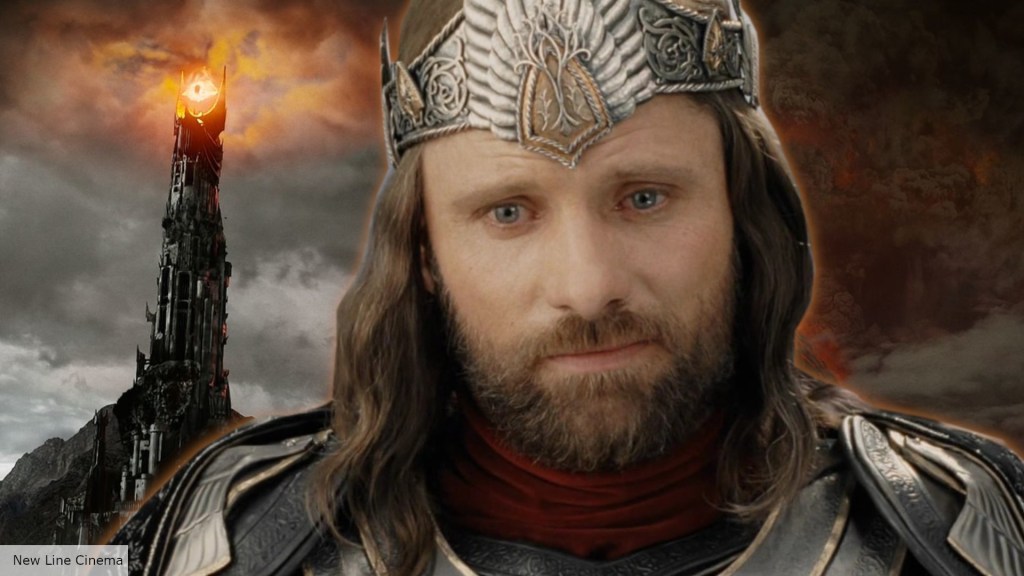
Following Sauron’s defeat in The Lord of the Rings, Aragorn is crowned king. What name does he adopt on his coronation?
Answer: Elessar (aka Elfstone).
After Sauron’s defeat, Aragorn is crowned King Elessar, meaning ‘Elfstone’. This Quenya name was given to him by his grandmother, Galadriel. He marries Arwen at midsummer and becomes the twenty-sixth King of Arnor, the thirty-fifth King of Gondor, and the first High King of the united Kingdom of Gondor and Arnor. His lineage is known as the House of Telcontar, meaning ’Strider’ in Quenya.
Three
Time it was And what a time it was, it was A time of innocence A time of confidences
These are the opening lyrics to a 1968 song that served as the title track for an album. Please name the track/album and the artist?
Bookends by Simon and Garfunkel
The post title Bookends derives from this track and album. Bookends is a concept album exploring a life journey from childhood to old age. Side one marks life stages, while side two includes singles and unused material. Today’s quiz is bookended by questions one and five being about books.
Four
T.E. Lawrence is commonly known by what name?
Answer: Lawrence of Arabia.
T.E. Lawrence, known as Lawrence of Arabia, was a British Army officer, archaeologist, and writer. He gained fame for his role in the Arab Revolt during World War I and his subsequent work with Emir Faisal. Lawrence published his autobiography, Seven Pillars of Wisdom, and later served in the Army and RAF before his death in a motorcycle accident in 1935.
Five
What fish does the fisherman have an epic struggle to catch in Ernest Hemingway’s The Old Man and the Sea?
Answer: Marlin.
Ernest Hemingway’s short, heroic novel The Old Man and the Sea, published in 1952 and winning the 1953 Pulitzer Prize for Fiction, marked his final major work of fiction. The story follows an ageing fisherman’s epic struggle to catch a giant marlin.
Bookends — Post title
See explanation in Three above.
Bookends
Simon and Garfunkel
Time it was And what a time it was, it was A time of innocence A time of confidences
Long ago it must be I have a photograph Preserve your memories They’re all that’s left you — AZ Lyrics
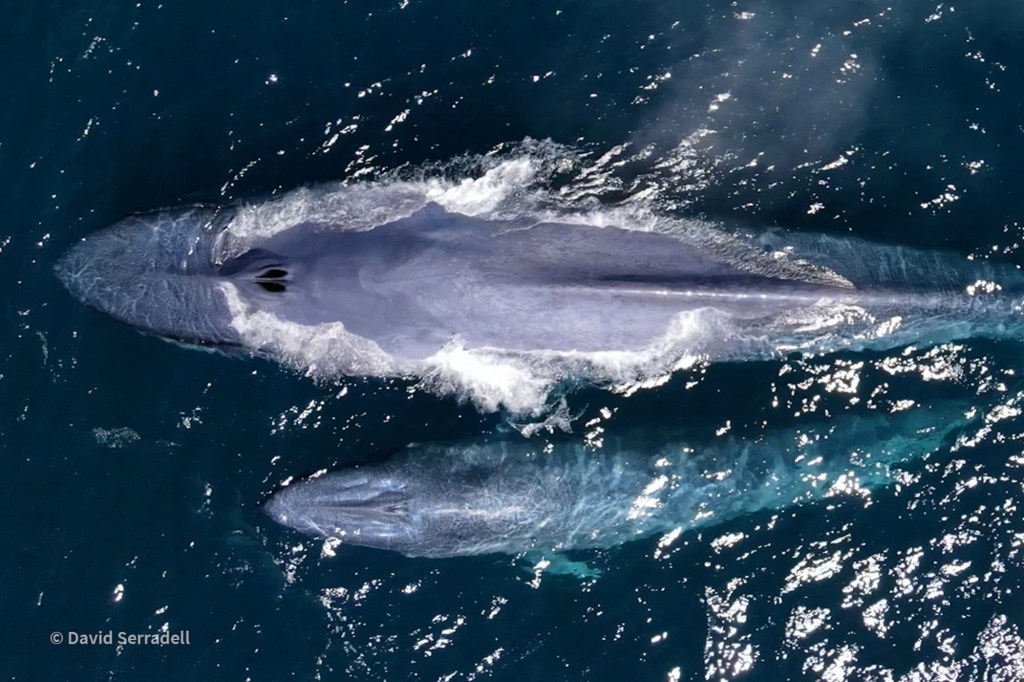
The term ’calf’, when referring to a young whale, is derived from the same root as the word for a young cow, which comes from Old English cealf and Proto-Germanic kalbam. This usage has been extended to marine mammals, where the adults are called bulls and cows, and the young are referred to as calves/calves.
Two
What were the first names of Mason and Dixon, after whom the Mason-Dixon Line is named?
Answer: Charles and Jeremiah.
The Mason-Dixon Line, surveyed by Charles Mason and Jeremiah Dixon from 1763 to 1767, initially served to resolve a land dispute between the Penn and Calvert families by marking the boundary between Maryland and Pennsylvania. It later became a symbolic boundary between slave and free states in the United States before the Civil War.
Three
What eight letter word means ‘the study of Chinese language, history, customs, and politics’, and from what does the first three letters of the word ultimately derive?
Answers: Sinology; Qin.
The terms sinology and sinologist were coined around 1838, Sinae, in turn from the GreekSinae, from the ArabicSin—which ultimately derive from Qin, i.e. the Qin dynasty. — Wikipedia ultimately the American Heritage Dictionary of the English Language (Boston: Houghton Mifflin, 3rd edition 1992): 1686.
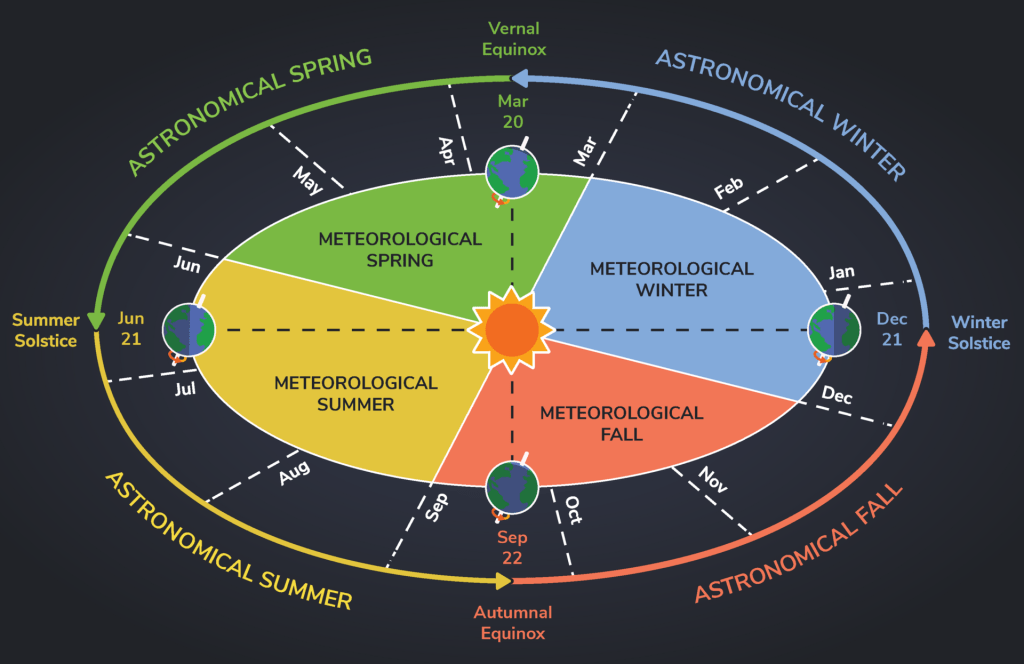
The astronomical seasons are based on the position of the Earth in relation to the sun. The equivalent meteorological seasons are also shown. This image is for the northern hemisphere. Image Wikimedia Commons
Four
In the northern hemisphere, what astronomical season ends at the vernal equinox and what three months form the equivalent meteorological season?
Answers: Astronomical winter; December, January and February.
Astronomical winter starts with the Winter Solstice about December 21st in the northern hemisphere and ends with the Vernal Equinox about March 20th. Meteorological winter covers the months of December, January and February.
Five
Ours is essentially a tragic age, so we refuse to take it tragically.
The opening words of which English novel, first published in Florence Italy in 1928, are quoted above. What is the novel’s title and who is the author?
Answer: Lady Chatterley’s Lover; D.H. Lawrence.
Lady Chatterley’s Lover, D. H. Lawrence’s final novel, explores the relationship between a working-class man and an upper-class woman. The novel, influenced by Lawrence’s life and the story of Lady Ottoline Morrell, faced obscenity trials in the UK and US before becoming a bestseller. It was not published fully and openly in the UK until 1960.
Sailing to Philadelphia – The Post Title
The title refers to Mark Knopfler’s album from 2000, and its title track which was inspired by Mason & Dixon by Thomas Pynchon, a novel about Mason and Dixon. The track features American singer-songwriter James Taylor.
Sailing to Philadelphia
Mark Knopfler
I am Jeremiah Dixon I am a Geordie Boy A glass of wine with you, sir And the ladies I’ll enjoy
All Durham and Northumberland Is measured up by my own hand It was my fate from birth To make my mark upon the earth…
He calls me Charlie Mason A stargazer am I It seems that I was born To chart the evening sky
They’d cut me out for baking bread But I had other dreams instead This baker’s boy from the west country Would join the Royal Society…
We are sailing to Philadelphia A world away from the coaly Tyne Sailing to Philadelphia To draw the line The Mason-Dixon line
Now you’re a good surveyor, Dixon But I swear you’ll make me mad The West will kill us both You gullible Geordie lad
You talk of liberty How can America be free A Geordie and a baker’s boy In the forest of the Iroquois…
Now hold your head up, Mason See America lies there The morning tide has raised The capes of Delaware
Come up and feel the sun A new morning is begun Another day will make it clear Why your stars should guide us here…
We are sailing to Philadelphia A world away from the coaly Tyne Sailing to Philadelphia To draw the line The Mason-Dixon Line
What were the first names of Mason and Dixon, after whom the Mason-Dixon Line is named?
Three
What eight letter word means ‘the study of Chinese language, history, customs, and politics’, and from what does the first three letters of the word ultimately derive?
Four
In the northern hemisphere, what astronomical season ends at the vernal equinox and what three months form the equivalent meteorological season?
Five
Ours is essentially a tragic age, so we refuse to take it tragically.
The opening words of which English novel, first published in Florence Italy in 1928, are quoted above. What is the novel’s title and who is the author?
 Quizology.Online