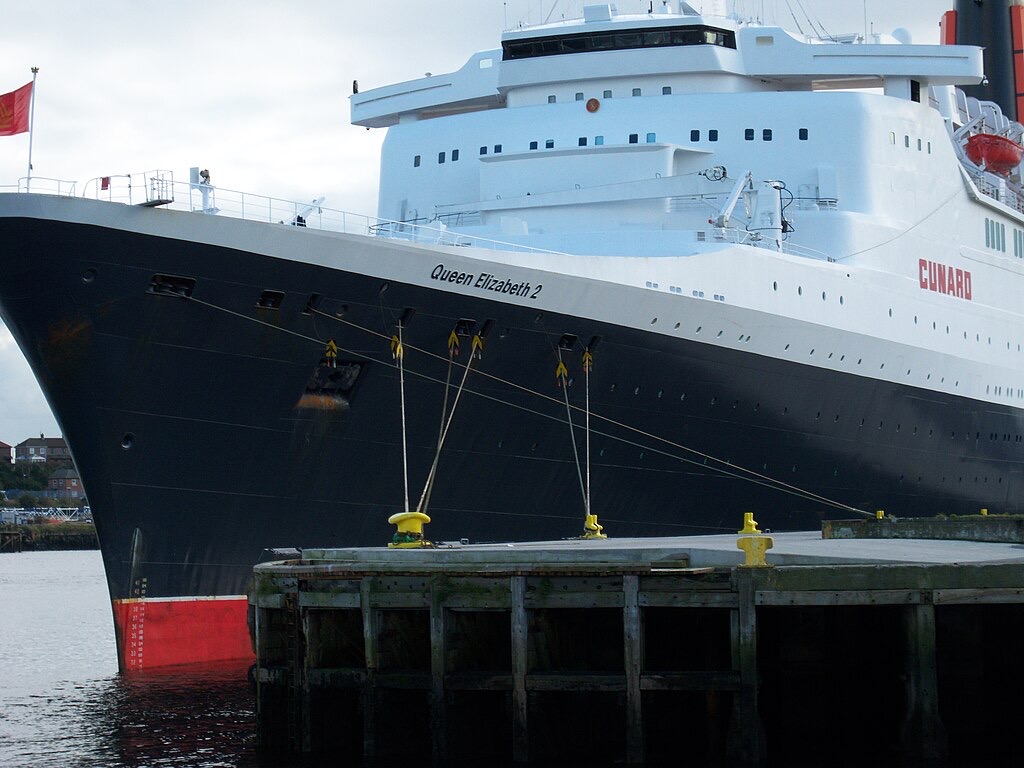
Image Wikipedia
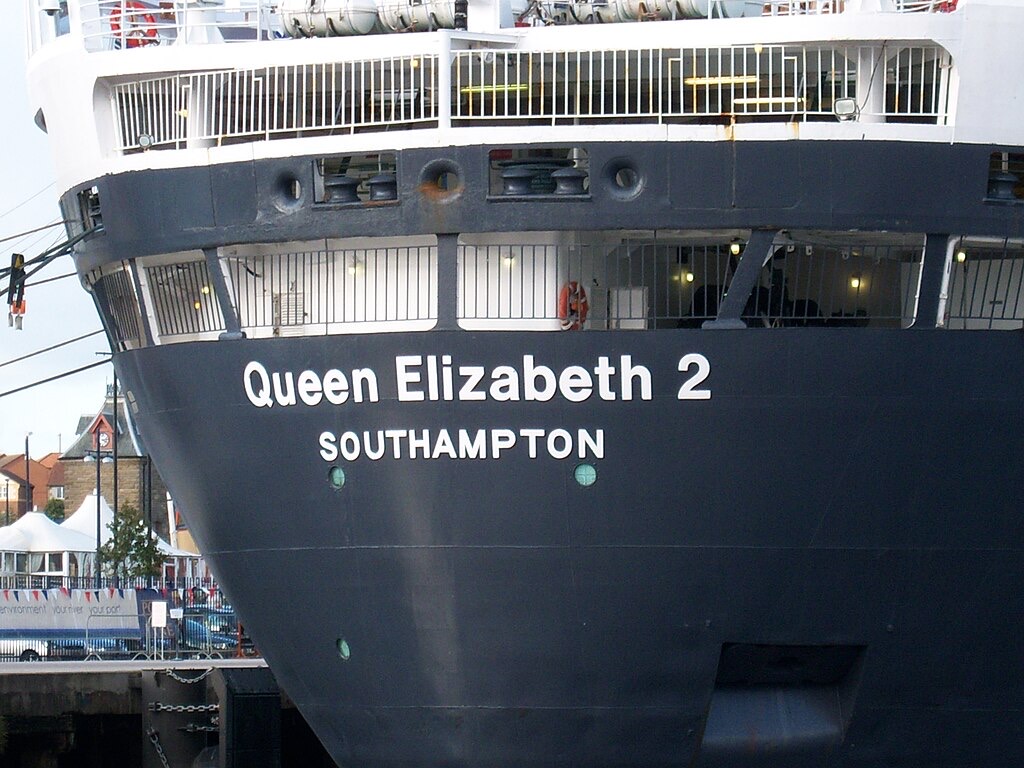
Image Wikipedia
One
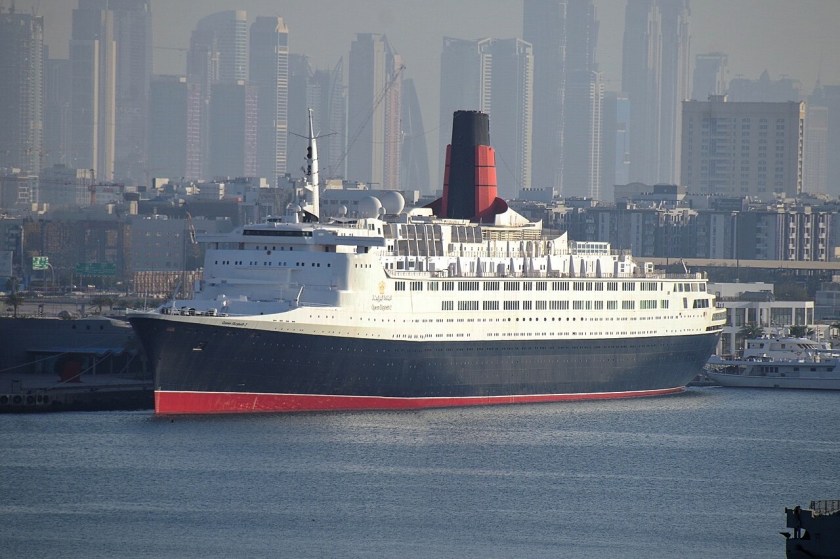
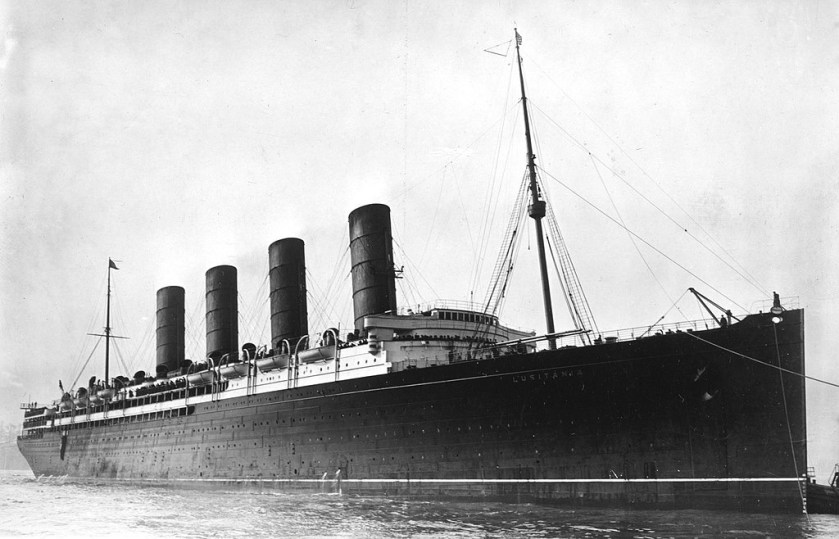
On 20 September 1967, the Cunard liner Queen Elizabeth 2 was launched from which shipyard?
- John Brown and Company, Clydebank, Scotland, UK
- Harland & Wolff, Belfast, Northern Ireland, UK
- Swan Hunter, Wallsend, Tyne and Wear, England, UK
Answer: John Brown and Company, Clydebank, Scotland, UK
The QE2 was built and launched into the River Clyde from John Brown and Company, Clydebank, Scotland, by HM Queen Elizabeth II. During the launch ceremony, the Queen said ‘I name this ship Queen Elizabeth the Second’, and the following day, newspapers including The Times and The New York Times printed the name as Queen Elizabeth II, which would be read as ‘Queen Elizabeth the Second’. When the ship was completed, the name on both the bow and stern of the vessel was Queen Elizabeth 2. Over the years, there has been debate as to whether the ship is named after Queen Elizabeth II; her mother, Queen Elizabeth, Queen Consort of King George VI; or simply the second Cunard liner named Queen Elizabeth. See Wikipedia for additional information.
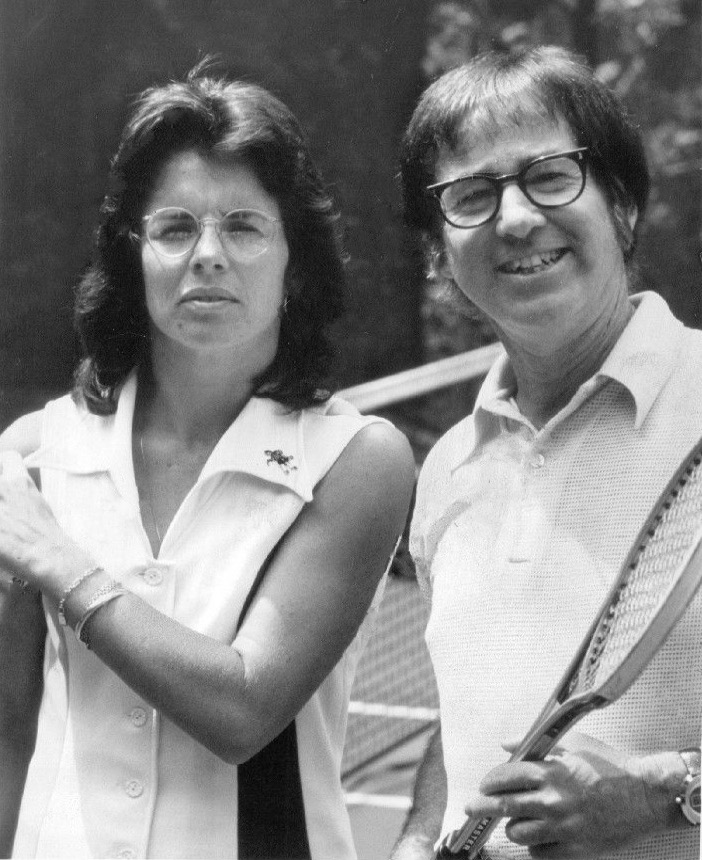
Image Wikipedia
Two
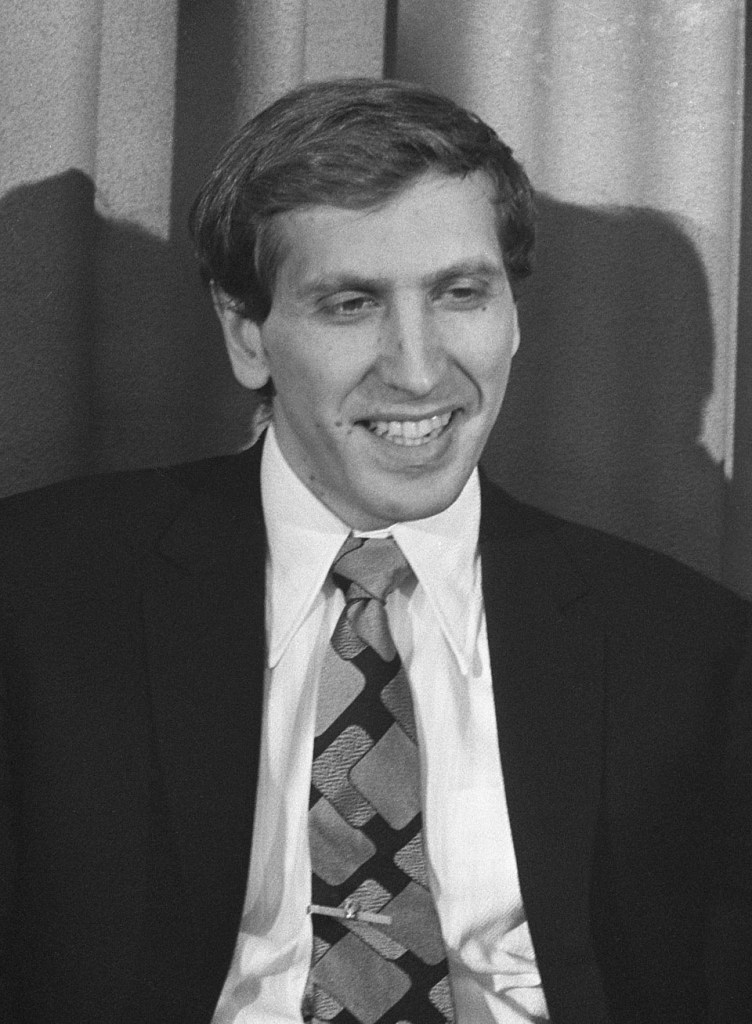
The ‘Battle of the Sexes’ tennis match took place at Houston Astrodome on 20 September 1973. Who were the two players who competed in the match?
- Billie Jean King and Bobby Riggs
- Chris Evert and Jimmy Connors
- Evonne Goolagong and Marlon Brando
Answer: Billie Jean King and Bobby Riggs
In 1973, Billie Jean King defeated Bobby Riggs in an exhibition match, earning $100,000, equivalent to $707,000 in 2024. Riggs, a former top men’s player in the 1930s and 1940s, had won Wimbledon in 1939 and was World No. 1 in 1941, 1946, and 1947. He later became a tennis ‘hustler’, playing promotional matches. Riggs claimed the women’s game was inferior and challenged top female players, defeating Margaret Court 6–2, 6–1. King, initially rejecting his challenges, accepted a financial offer to play him, resulting in her victory and a significant win for women’s tennis.
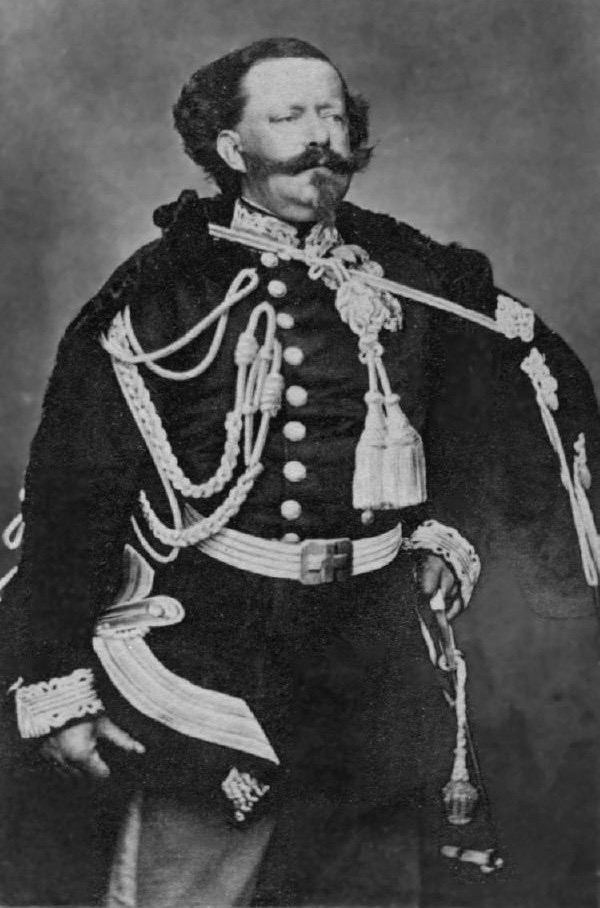
Image Wikipedia
Three
On 20 September 1870, Rome was occupied, leading to the unification of Italy. Who was the ruler of the Kingdom of Italy at this time?
- Victor Emmanuel I
- Victor Emmanuel II
- Victor Emmanuel III
Answers: Victor Emmanuel II
The unification of Italy, or Risorgimento, was a 19th-century movement that culminated in 1861 with the creation of the Kingdom of Italy through the annexation of various Italian states to the Kingdom of Sardinia. Key figures included King Victor Emmanuel II, Camillo Benso, Count of Cavour, Giuseppe Garibaldi, and Giuseppe Mazzini. The movement was inspired by earlier rebellions and the Revolutions of 1848, concluding in 1870 with Rome’s capture. King Victor Emmanuel II was honoured as the Father of the Fatherland.
Four
Which explorer set out from Spain on 20 September 1519, embarking on a quest to circumnavigate the globe?
- Bartolomeu Dias
- Ferdinand Magellan
- Vasco da Gama
Answer: Ferdinand Magellan
The Magellan expedition, led by Ferdinand Magellan and completed by Juan Sebastián Elcano, was a pivotal 16th-century Spanish voyage aimed at securing a maritime trade route to the Spice Islands. Departing Spain in 1519 with five ships and about 270 men, it achieved the first circumnavigation of Earth, crossing the Pacific and Indian Oceans. Despite hardships like mutinies, starvation, and Magellan’s death in the Philippines, only about 40 men and the ship Victoria returned in 1522. Funded by King Charles I, the expedition expanded European geographical knowledge, though the route proved commercially impractical.
Five
On 20 September 1881, a US Vice President was sworn in as president following the death of his predecessor who had died the previous day two months after being shot. Who was the vice president who was sworn in as president on this day?
- Andrew Johnson
- Chester A. Arthur
- Theodore Roosevelt
Answer: Chester A. Arthur
James A. Garfield, the 20th US president, was assassinated by Charles J. Guiteau in 1881. Guiteau, who believed he deserved a diplomatic post for his support of Garfield, shot him after his requests were denied. Garfield died from his injuries over two months later, and Vice President Chester A. Arthur became the 21st US President. Guiteau, who was apprehended at the scene of the shooting, was later executed for the murder.




 Quizology.Online
