An A to Z Cornucopia of Trivia. Part II | Answers

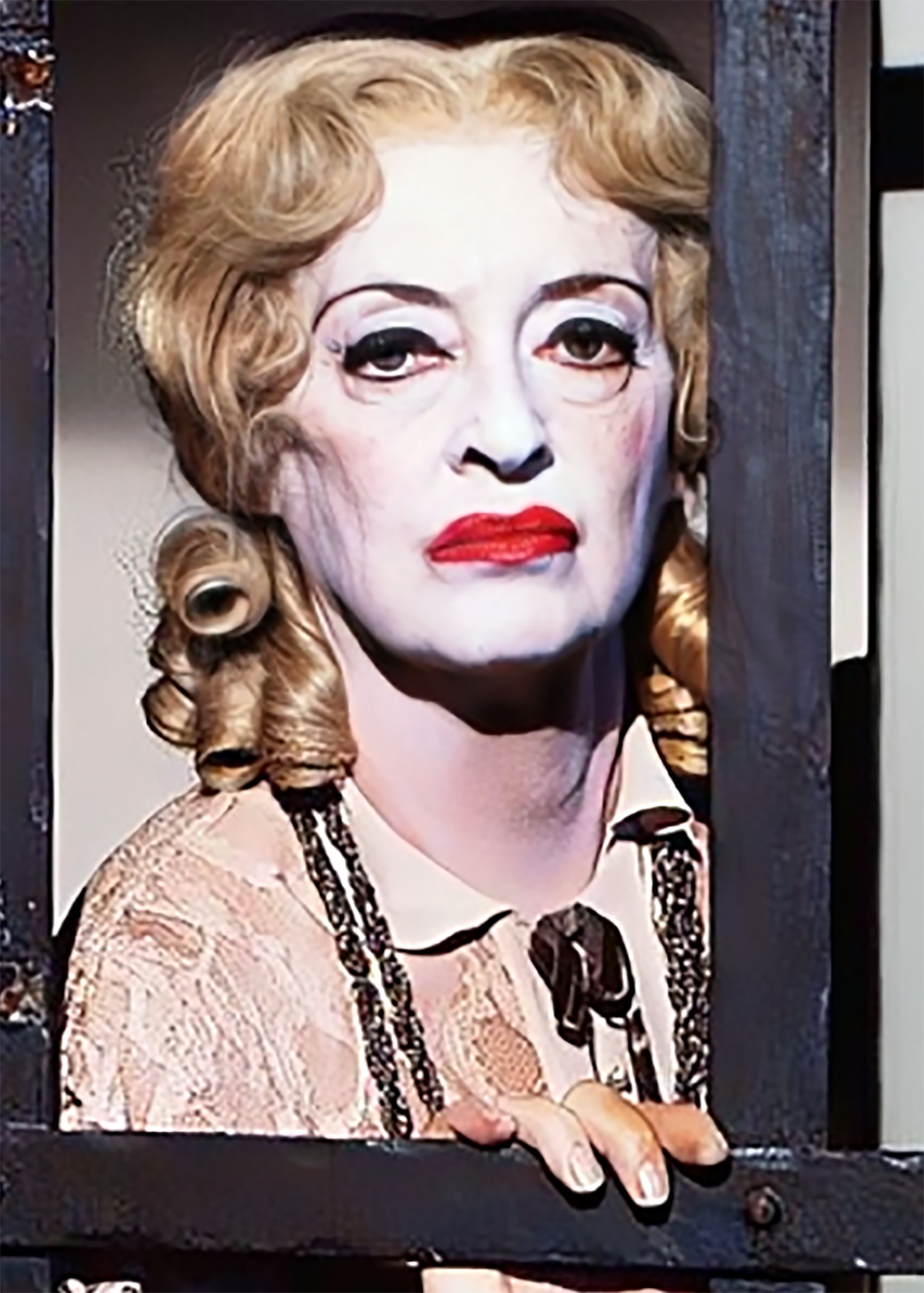
Freesia. Wikipedia
  1. (F) Freesia—Freesia is a genus of herbaceous perennial flowering plants native to eastern southern Africa. Cultivated hybrids of Freesia species are commonly known as “freesias” and grown as ornamental plants.
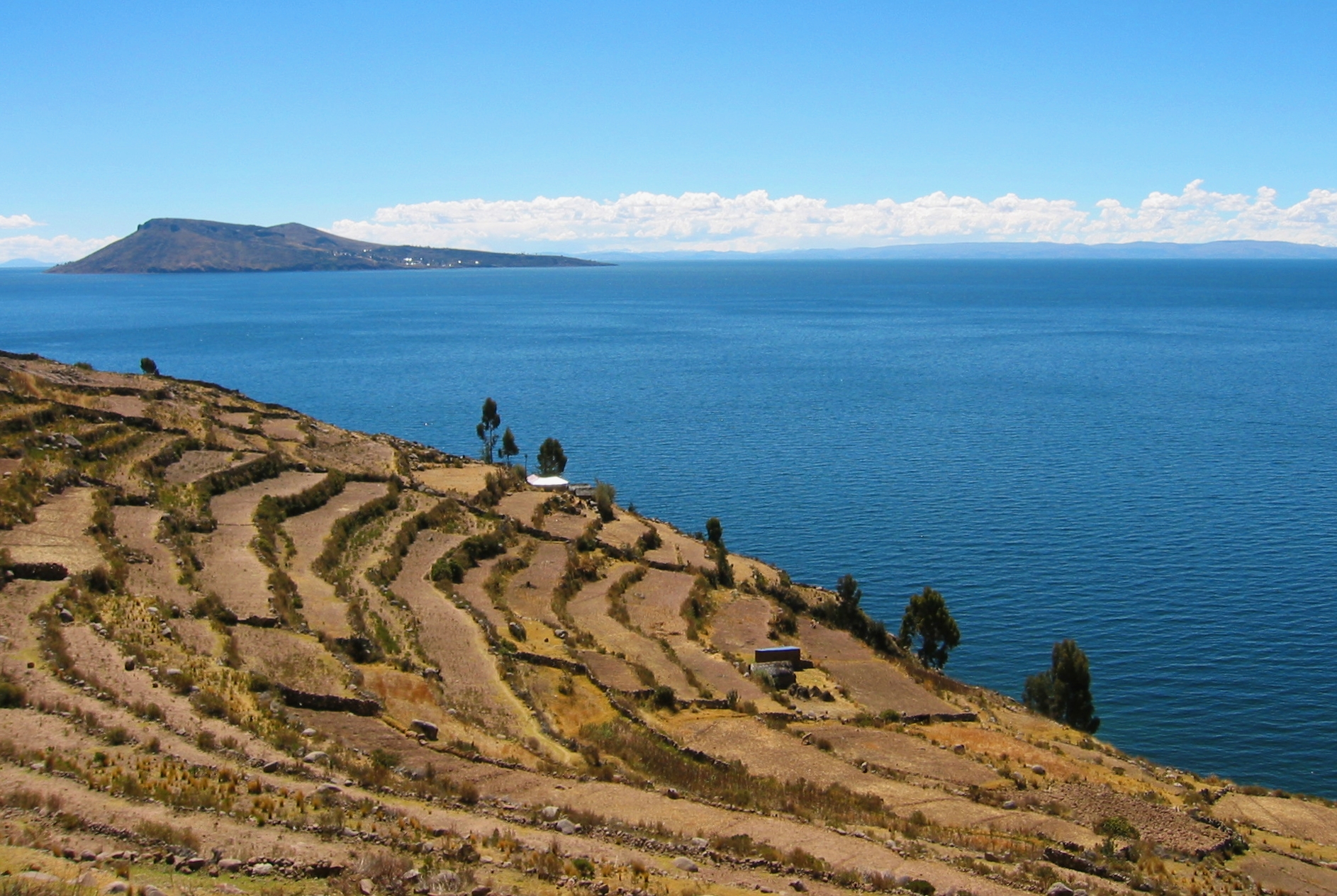
  2. (G) Golden Cap—Golden Cap, a hill and cliff in Dorset, England, is the highest point near the south coast of Great Britain. It is owned by the National Trust and part of the Jurassic Coast, a World Heritage Site.
    H.G. Wells by George Charles Beresford, 1920. Wikipedia
  3. (H) H.G. WellsHalf a Sixpence is a 1963 musical comedy based on H.G. Wells’s novel Kipps. The show, tailored for Tommy Steele, follows Arthur Kipps, an orphan who inherits a fortune and learns that money can’t buy happiness.
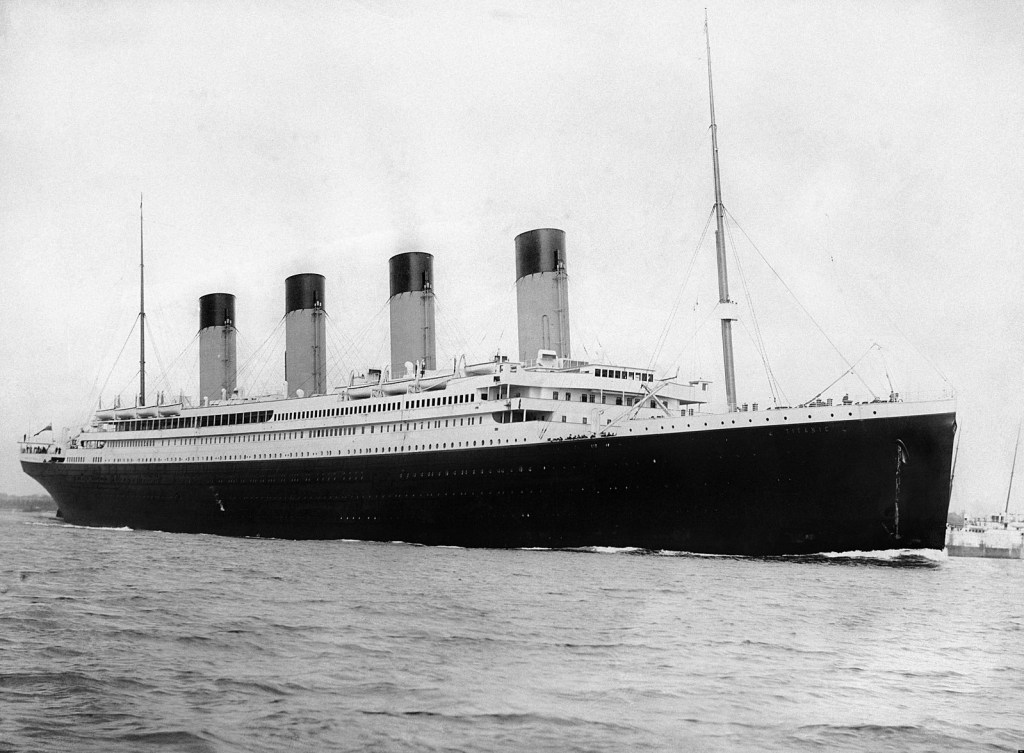
  4. (I) Ireland—In May 1915, the RMS Lusitania, a British ocean liner, was sunk by the German submarine U-20, 11 miles (18 km) off the Old Head of Kinsale, Ireland. This tragic event resulted in the loss of 1,197 lives, including passengers, crew, and stowaways. The sinking significantly boosted American support for entering World War I.
  5. (J) J. Alfred PrufrockThe Love Song of J. Alfred Prufrock is T. S. Eliot’s first published poem, reflecting the title character’s thoughts in stream-of-consciousness style. Initially considered outlandish, it is now seen as a landmark in the shift from Romanticism to Modernism in poetry.
    Regarding the wrong alternative answers: J. Bruce Ismay was the chairman of the White Star Line, the owners of the Titanic. He faced criticism and was branded a coward after surviving the sinking. J. Edgar Hoover was the first Director of the FBI. He served in that role in the predecessor organisation, the BOI, and the FBI for a total of 48 years.
RMS Lusitania. See #4 above. Wikipedia

An A to Z Cornucopia of Trivia. Part II

Some trivia related to the letters F to J.

See question 2. Image Wikipedia
  1. (F) Named after a German botanist, what is a flowering plant of the iris family?
    • Foxglove
    • Freesia
    • Fuchsia
  2. (G) Which hill, on Dorset’s Jurassic Coast, is the highest point on England’s south coast?
    • Golden Cap
    • Golden Law
    • Golden Tor
  3. (H) Half a Sixpence, the musical, was adapted from the 1905 novel Kipps. Who wrote this novel?(I)
    • H.E. Bates
    • H. Rider Haggard
    • H.G. Wells
  4. (I) In 1915, the RMS Lusitania was torpedoed 11 miles (18 km) off the coast of which country?
    • Iceland
    • Ireland
    • Ivory Coast
  5. (J) What T.S. Eliot character says, “I am not Prince Hamlet, nor was meant to be;”?
    • J. Alfred Prufrock
    • J. Bruce Ismay
    • J. Edgar Hoover
T.S. Eliot. Wikipedia

Good luck! I will post the answers later today.

An A to Z Cornucopia of Trivia. Part I | Answers

Some trivia related to the letters A to E.

Melvyn Bragg (Official photo of Lord Bragg), 2018. Winner of the Bad Sex in Fiction Award 1993 for A Time to Dance. See question 2. Wikipedia
  1. (A) AardvarkThe Raccoons is a Canadian animated series about Bert, Ralph and Melissa Raccoon, who thwart the schemes of Cyril Sneer, an industrialist aardvark, to destroy their forest home. The series ran from 1985 to 1992 and was created by Kevin Gillis.
  2. (B) Bad Sex in Fiction awardThe Literary Review has presented the Bad Sex in Fiction Award annually since 1993 to the author of the worst sex scene description in a novel. The award, established by Rhoda Koenig and Auberon Waugh, aims to discourage crude and tasteless sexual descriptions in modern novels.
    Colossus of Rhodes. Wikipedia
  3. (C) Colossus—One of the Seven Wonders of the World, the Colossus of Rhodes, a statue of the Greek sun god Helios, was erected in 280 BCE to celebrate Rhodes’ successful defence against Demetrius I of Macedon. Standing at 33 metres tall, it was the tallest statue in the ancient world until it collapsed in an earthquake in 226 BCE.
    Dylan Thomas, 1952. Wikipedia
  4. (D) Dylan ThomasDo not go gentle into that good night is a villanelle* by Dylan Thomas, written in 1947 and published in 1951. The poem, about resisting death, entered the public domain in 2024.
    *Villanelle is a pastoral or lyrical poem of nineteen lines, with only two rhymes throughout, and some lines repeated (Oxford English Dictionary).
  5. (E) Europa—The Galilean moons, Io, Europa, Ganymede, and Callisto, are Jupiter’s four largest moons. Discovered by Galileo in 1610, they were the first objects found to orbit a planet other than Earth, challenging the geocentric Ptolemaic world system. Ganymede is the largest moon in the solar system, surpassing Mercury in size. Europa is the smallest of the four Galilean moons.
Europa. Wikipedia

An A to Z Cornucopia of Trivia. Part I

Some trivia related to the letters A to E.

Seven Wonders of the World. Wikipedia
  1. (A) An animated television series which began in the 1980s featured Cyril Sneer. Which of these best describes Cyril?
    • Aardvark
    • Ass
    • Anaconda
  2. (B) The following works of literature won what award in the year indicated. 1993: Melvyn Bragg, A Time to Dance; 2007: Norman Mailer, The Castle in the Forest and 2019: Didier Decoin, The Office of Gardens and Ponds and John Harvey, Pax?
    • Bad Sex in Fiction award
    • Balint Balassi Memorial Sword Award
    • Bookseller/Diagram Prize for Oddest Title of the Year
  3. (C) Complete this: the ___ of Rhodes was one of the Seven Wonders of the Ancient World?
    • Colosseum
    • Colossus
    • Colostrum
  4. (D) Which poet wrote the line: “Do not go gentle into that good night”?
    • DH Lawrence
    • Dorothy Parker
    • Dylan Thomas
  5. (E) The smallest of the four Galilean moons of Jupiter is named what?
    • Eirene
    • Epimetheus
    • Europa
Jupiter. Wikipedia

Good luck! The answers will be posted later

Odd One Out | Answers

The answers to my earlier post are shown in bold below.

Moon. Wikipedia
  1. Moon—The Moon, Earth’s satellite, is different from planets like Mercury and Mars. While the Moon orbits the Earth, Mercury and Mars, like Earth, orbit the Sun.
    Lotus Cars logo. Wikipedia
  2. Emira—it has a petrol engine and is not electric, unlike the Eletre and Emeya. Lotus Group is a British manufacturer of luxury sports cars and electric vehicles. It comprises Lotus Cars, Lotus Tech and Lotus Engineering. Currently majority-owned by Geely, Lotus has a history of Formula One racing and producing iconic cars like the Lotus Seven and Elise.
    Sargasso Sea.
    1891 Krummel Petermanns lores/Wikipedia
  3. Sargasso—aka Sargasso Sea is a marine ecosystem whereas the others are both land-based. The Sargasso Sea, a region of the Atlantic Ocean bounded by four currents, is distinguished by its brown Sargassum seaweed and calm blue water. The Gobi Desert, the sixth largest desert globally, is a vast cold desert and grassland area located in northern China and southern Mongolia. In contrast, the Atacama Desert in Chile is renowned as the driest nonpolar desert, characterised by its extreme aridity due to a temperature inversion, the rain shadow effect created by two mountain ranges, and the influence of the Humboldt ocean current.
    Poster for the 1935 film A Night at the Opera. Wikipedia
  4. A Kind of MagicA Day at the Races, like Queen’s previous album, A Night at the Opera, takes its name from Marx Brothers films. On the other hand, although A Kind of Magic has a film connection, it is not to a film title; it takes its name from a Connor MacLeod quote from the film Highlander: “Hey, it’s a kind of magic!”
  5. The Devil’s Alternative—was written by British novelist Frederick Forsyth. Deception Point and Digital Fortress are two stand-alone novels by Dan Brown which, unlike The Da Vinci Code, Angels and Demons etc, do not feature Robert Langdon.
  6. Botswana—Botswana is in Southern Africa while the others are in Asia—Brunei is in Southeast Asia and Bhutan in South Asia. They are all small countries and both Botswana and Bhutan are landlocked while Brunei has a coastline.
Sub-regional map of the World.
The UN geoscheme/Wikipedia

Odd One Out

Solar System. Wikipedia
  1. Which of these is the odd one out when it comes to the solar system?
    • Mercury
    • Mars
    • Moon
  2. These are all models of Lotus cars, but which is the odd one out?
    • Eletre
    • Emeva
    • Emira
  3. Of these three large ecosystems, one is fundamentally different from the others. Which is the odd one out?
    • Atacama
    • Gobi
    • Sargasso
  4. One of these was NOT a Marx Brothers film while two were; which is the odd one out?
    • A Day at the Races
    • A Kind of Magic
    • A Night at the Opera
  5. One of these novels was NOT written by Dan Brown, the author of The Da Vinci Code, whereas the others were; which one is the odd one out?
    • Deception Point
    • The Devil’s Alternative
    • Digital Fortress
  6. In continental terms, which of these countries is the odd one out?
    • Bhutan
    • Botswana
    • Brunei

Good Luck! I will post the answers later today.

Marx Brothers from top to bottom: Chico, Harpo, Groucho and Zeppo. Wikipedia

A Free Bird Leaps | Answers

Here, in bold, are the answers to the earlier post. The poems referred to are printed in full below the answers.

  1. Maya Angelou—the quote is from Caged Bird
  2. Robert Burns—the extract is from The Wren’s Nest
  3. Skylark by Percy Bysshe Shelley
  4. Edgar Allan Poe—The Raven
  5. Albatross—The Rime of the Ancient Mariner by Samuel Taylor Coleridge

Poems referred to above

Two children with parrot cage
by Georg Friedrich Kersting, c. 1835
Wikipedia

1. Caged Bird by Maya Angelou

A free bird leaps
on the back of the wind   
and floats downstream   
till the current ends
and dips his wing
in the orange sun rays
and dares to claim the sky.

But a bird that stalks
down his narrow cage
can seldom see through
his bars of rage
his wings are clipped and   
his feet are tied
so he opens his throat to sing.

The caged bird sings   
with a fearful trill   
of things unknown   
but longed for still   
and his tune is heard   
on the distant hill   
for the caged bird   
sings of freedom.

The free bird thinks of another breeze
and the trade winds soft through the sighing trees
and the fat worms waiting on a dawn bright lawn
and he names the sky his own.

But a caged bird stands on the grave of dreams   
his shadow shouts on a nightmare scream   
his wings are clipped and his feet are tied   
so he opens his throat to sing.

The caged bird sings   
with a fearful trill   
of things unknown   
but longed for still   
and his tune is heard   
on the distant hill   
for the caged bird   
sings of freedom.

Caged Bird
by
Maya Angelou
A wren depicted on a British Farthing. Wikipedia

2. The Wren’s Nest by Robert Burns

The Robin to the Wren’s nest
Cam keekin’ in, cam keekin’ in;
O weel’s me on your auld pow,
Wad ye be in, wad ye be in?
Thou’s ne’er get leave to lie without,
And I within, and I within,
Sae lang’s I hae an auld clout
To rowe ye in, to rowe ye in.

The Wren’s Nest
by
Robert Burns

The robin at the wren’s nest
They’re looking in, they’re looking in.
I’m on your old path.

Would you be in, would you be in?
You’ll never be allowed to stay asleep afterwards.
I am inside, and I am inside.
So long has I had an old cloth.
Come on in.

Translation is courtesy
of
Burns Country
Skylark. Wikipedia

3. To a Skylark by Percy Bysshe Shelley

Hail to thee, blithe Spirit!
Bird thou never wert,
That from Heaven, or near it,
Pourest thy full heart
In profuse strains of unpremeditated art.

Higher still and higher
From the earth thou springest
Like a cloud of fire;
The blue deep thou wingest,
And singing still dost soar, and soaring ever singest.

In the golden lightning
Of the sunken sun,
O’er which clouds are bright’ning,
Thou dost float and run;
Like an unbodied joy whose race is just begun.

The pale purple even
Melts around thy flight;
Like a star of Heaven,
In the broad day-light
Thou art unseen, but yet I hear thy shrill delight,

Keen as are the arrows
Of that silver sphere,
Whose intense lamp narrows
In the white dawn clear
Until we hardly see, we feel that it is there.

All the earth and air
With thy voice is loud,
As, when night is bare,
From one lonely cloud
The moon rains out her beams, and Heaven is overflow’d.

What thou art we know not;
What is most like thee?
From rainbow clouds there flow not
Drops so bright to see
As from thy presence showers a rain of melody.

Like a Poet hidden
In the light of thought,
Singing hymns unbidden,
Till the world is wrought
To sympathy with hopes and fears it heeded not:

Like a high-born maiden
In a palace-tower,
Soothing her love-laden
Soul in secret hour
With music sweet as love, which overflows her bower:

Like a glow-worm golden
In a dell of dew,
Scattering unbeholden
Its aëreal hue
Among the flowers and grass, which screen it from the view:

Like a rose embower’d
In its own green leaves,
By warm winds deflower’d,
Till the scent it gives
Makes faint with too much sweet those heavy-winged thieves:

Sound of vernal showers
On the twinkling grass,
Rain-awaken’d flowers,
All that ever was
Joyous, and clear, and fresh, thy music doth surpass.

Teach us, Sprite or Bird,
What sweet thoughts are thine:
I have never heard
Praise of love or wine
That panted forth a flood of rapture so divine.

Chorus Hymeneal,
Or triumphal chant,
Match’d with thine would be all
But an empty vaunt,
A thing wherein we feel there is some hidden want.

What objects are the fountains
Of thy happy strain?
What fields, or waves, or mountains?
What shapes of sky or plain?
What love of thine own kind? what ignorance of pain?

With thy clear keen joyance
Languor cannot be:
Shadow of annoyance
Never came near thee:
Thou lovest: but ne’er knew love’s sad satiety.

Waking or asleep,
Thou of death must deem
Things more true and deep
Than we mortals dream,
Or how could thy notes flow in such a crystal stream?

We look before and after,
And pine for what is not:
Our sincerest laughter
With some pain is fraught;
Our sweetest songs are those that tell of saddest thought.

Yet if we could scorn
Hate, and pride, and fear;
If we were things born
Not to shed a tear,
I know not how thy joy we ever should come near.

Better than all measures
Of delightful sound,
Better than all treasures
That in books are found,
Thy skill to poet were, thou scorner of the ground!

Teach me half the gladness
That thy brain must know,
Such harmonious madness
From my lips would flow
The world should listen then, as I am listening now.

To a Skylark
by
Percy Bysshe Shelley
Raven, Tower of London. Wikipedia

4. The Raven by Edgar Allan Poe

Once upon a midnight dreary, while I pondered, weak and weary,
Over many a quaint and curious volume of forgotten lore—
    While I nodded, nearly napping, suddenly there came a tapping,
As of some one gently rapping, rapping at my chamber door.
“’Tis some visitor,” I muttered, “tapping at my chamber door—
            Only this and nothing more.”

    Ah, distinctly I remember it was in the bleak December;
And each separate dying ember wrought its ghost upon the floor.
    Eagerly I wished the morrow;—vainly I had sought to borrow
    From my books surcease of sorrow—sorrow for the lost Lenore—
For the rare and radiant maiden whom the angels name Lenore—
            Nameless here for evermore.

    And the silken, sad, uncertain rustling of each purple curtain
Thrilled me—filled me with fantastic terrors never felt before;
    So that now, to still the beating of my heart, I stood repeating
    “’Tis some visitor entreating entrance at my chamber door—
Some late visitor entreating entrance at my chamber door;—
            This it is and nothing more.”

    Presently my soul grew stronger; hesitating then no longer,
“Sir,” said I, “or Madam, truly your forgiveness I implore;
    But the fact is I was napping, and so gently you came rapping,
    And so faintly you came tapping, tapping at my chamber door,
That I scarce was sure I heard you”—here I opened wide the door;—
            Darkness there and nothing more.

    Deep into that darkness peering, long I stood there wondering, fearing,
Doubting, dreaming dreams no mortal ever dared to dream before;
    But the silence was unbroken, and the stillness gave no token,
    And the only word there spoken was the whispered word, “Lenore?”
This I whispered, and an echo murmured back the word, “Lenore!”—
            Merely this and nothing more.

    Back into the chamber turning, all my soul within me burning,
Soon again I heard a tapping somewhat louder than before.
    “Surely,” said I, “surely that is something at my window lattice;
      Let me see, then, what thereat is, and this mystery explore—
Let my heart be still a moment and this mystery explore;—
            ’Tis the wind and nothing more!”

    Open here I flung the shutter, when, with many a flirt and flutter,
In there stepped a stately Raven of the saintly days of yore;
    Not the least obeisance made he; not a minute stopped or stayed he;
    But, with mien of lord or lady, perched above my chamber door—
Perched upon a bust of Pallas just above my chamber door—
            Perched, and sat, and nothing more.

Then this ebony bird beguiling my sad fancy into smiling,
By the grave and stern decorum of the countenance it wore,
“Though thy crest be shorn and shaven, thou,” I said, “art sure no craven,
Ghastly grim and ancient Raven wandering from the Nightly shore—
Tell me what thy lordly name is on the Night’s Plutonian shore!”
            Quoth the Raven “Nevermore.”

    Much I marvelled this ungainly fowl to hear discourse so plainly,
Though its answer little meaning—little relevancy bore;
    For we cannot help agreeing that no living human being
    Ever yet was blessed with seeing bird above his chamber door—
Bird or beast upon the sculptured bust above his chamber door,
            With such name as “Nevermore.”

    But the Raven, sitting lonely on the placid bust, spoke only
That one word, as if his soul in that one word he did outpour.
    Nothing farther then he uttered—not a feather then he fluttered—
    Till I scarcely more than muttered “Other friends have flown before—
On the morrow he will leave me, as my Hopes have flown before.”
            Then the bird said “Nevermore.”

    Startled at the stillness broken by reply so aptly spoken,
“Doubtless,” said I, “what it utters is its only stock and store
    Caught from some unhappy master whom unmerciful Disaster
    Followed fast and followed faster till his songs one burden bore—
Till the dirges of his Hope that melancholy burden bore
            Of ‘Never—nevermore’.”

    But the Raven still beguiling all my fancy into smiling,
Straight I wheeled a cushioned seat in front of bird, and bust and door;
    Then, upon the velvet sinking, I betook myself to linking
    Fancy unto fancy, thinking what this ominous bird of yore—
What this grim, ungainly, ghastly, gaunt, and ominous bird of yore
            Meant in croaking “Nevermore.”

    This I sat engaged in guessing, but no syllable expressing
To the fowl whose fiery eyes now burned into my bosom’s core;
    This and more I sat divining, with my head at ease reclining
    On the cushion’s velvet lining that the lamp-light gloated o’er,
But whose velvet-violet lining with the lamp-light gloating o’er,
            She shall press, ah, nevermore!

    Then, methought, the air grew denser, perfumed from an unseen censer
Swung by Seraphim whose foot-falls tinkled on the tufted floor.
    “Wretch,” I cried, “thy God hath lent thee—by these angels he hath sent thee
    Respite—respite and nepenthe from thy memories of Lenore;
Quaff, oh quaff this kind nepenthe and forget this lost Lenore!”
            Quoth the Raven “Nevermore.”

    “Prophet!” said I, “thing of evil!—prophet still, if bird or devil!—
Whether Tempter sent, or whether tempest tossed thee here ashore,
    Desolate yet all undaunted, on this desert land enchanted—
    On this home by Horror haunted—tell me truly, I implore—
Is there—is there balm in Gilead?—tell me—tell me, I implore!”
            Quoth the Raven “Nevermore.”

    “Prophet!” said I, “thing of evil!—prophet still, if bird or devil!
By that Heaven that bends above us—by that God we both adore—
    Tell this soul with sorrow laden if, within the distant Aidenn,
    It shall clasp a sainted maiden whom the angels name Lenore—
Clasp a rare and radiant maiden whom the angels name Lenore.”
            Quoth the Raven “Nevermore.”

    “Be that word our sign of parting, bird or fiend!” I shrieked, upstarting—
“Get thee back into the tempest and the Night’s Plutonian shore!
    Leave no black plume as a token of that lie thy soul hath spoken!
    Leave my loneliness unbroken!—quit the bust above my door!
Take thy beak from out my heart, and take thy form from off my door!”
            Quoth the Raven “Nevermore.”

    And the Raven, never flitting, still is sitting, still is sitting
On the pallid bust of Pallas just above my chamber door;
    And his eyes have all the seeming of a demon’s that is dreaming,
    And the lamp-light o’er him streaming throws his shadow on the floor;
And my soul from out that shadow that lies floating on the floor
            Shall be lifted—nevermore!

The Raven
by
Edgar Allan Poe
Wandering albatross. Wikipedia

5. The Rime of the Ancient Mariner by Samuel Taylor Coleridge

Argument
How a Ship having passed the Line was driven by storms to the cold Country towards the South Pole; and how from thence she made her course to the tropical Latitude of the Great Pacific Ocean; and of the strange things that befell; and in what manner the Ancyent Marinere came back to his own Country.

PART I
It is an ancient Mariner,
And he stoppeth one of three.
‘By thy long grey beard and glittering eye,
Now wherefore stopp’st thou me?

The Bridegroom’s doors are opened wide,
And I am next of kin;
The guests are met, the feast is set:
May’st hear the merry din.’

He holds him with his skinny hand,
‘There was a ship,’ quoth he.
‘Hold off! unhand me, grey-beard loon!’
Eftsoons his hand dropt he.

He holds him with his glittering eye—
The Wedding-Guest stood still,
And listens like a three years’ child:
The Mariner hath his will.

The Wedding-Guest sat on a stone:
He cannot choose but hear;
And thus spake on that ancient man,
The bright-eyed Mariner.

‘The ship was cheered, the harbour cleared,
Merrily did we drop
Below the kirk, below the hill,
Below the lighthouse top.

The Sun came up upon the left,
Out of the sea came he!
And he shone bright, and on the right
Went down into the sea.

Higher and higher every day,
Till over the mast at noon—’
The Wedding-Guest here beat his breast,
For he heard the loud bassoon.

The bride hath paced into the hall,
Red as a rose is she;
Nodding their heads before her goes
The merry minstrelsy.

The Wedding-Guest he beat his breast,
Yet he cannot choose but hear;
And thus spake on that ancient man,
The bright-eyed Mariner.

And now the STORM-BLAST came, and he
Was tyrannous and strong:
He struck with his o’ertaking wings,
And chased us south along.

With sloping masts and dipping prow,
As who pursued with yell and blow
Still treads the shadow of his foe,
And forward bends his head,
The ship drove fast, loud roared the blast,
And southward aye we fled.

And now there came both mist and snow,
And it grew wondrous cold:
And ice, mast-high, came floating by,
As green as emerald.

And through the drifts the snowy clifts
Did send a dismal sheen:
Nor shapes of men nor beasts we ken—
The ice was all between.

The ice was here, the ice was there,
The ice was all around:
It cracked and growled, and roared and howled,
Like noises in a swound!

At length did cross an Albatross,
Thorough the fog it came;
As if it had been a Christian soul,
We hailed it in God’s name.

It ate the food it ne’er had eat,
And round and round it flew.
The ice did split with a thunder-fit;
The helmsman steered us through!

And a good south wind sprung up behind;
The Albatross did follow,
And every day, for food or play,
Came to the mariner’s hollo!

In mist or cloud, on mast or shroud,
It perched for vespers nine;
Whiles all the night, through fog-smoke white,
Glimmered the white Moon-shine.’

‘God save thee, ancient Mariner!
From the fiends, that plague thee thus!—
Why look’st thou so?’—With my cross-bow
I shot the ALBATROSS.

PART II
The Sun now rose upon the right:
Out of the sea came he,
Still hid in mist, and on the left
Went down into the sea.

And the good south wind still blew behind,
But no sweet bird did follow,
Nor any day for food or play
Came to the mariner’s hollo!

And I had done a hellish thing,
And it would work ’em woe:
For all averred, I had killed the bird
That made the breeze to blow.
Ah wretch! said they, the bird to slay,
That made the breeze to blow!

Nor dim nor red, like God’s own head,
The glorious Sun uprist:
Then all averred, I had killed the bird
That brought the fog and mist.
‘Twas right, said they, such birds to slay,
That bring the fog and mist.

The fair breeze blew, the white foam flew,
The furrow followed free;
We were the first that ever burst
Into that silent sea.

Down dropt the breeze, the sails dropt down,
‘Twas sad as sad could be;
And we did speak only to break
The silence of the sea!

All in a hot and copper sky,
The bloody Sun, at noon,
Right up above the mast did stand,
No bigger than the Moon.

Day after day, day after day,
We stuck, nor breath nor motion;
As idle as a painted ship
Upon a painted ocean.

Water, water, every where,
And all the boards did shrink;
Water, water, every where,
Nor any drop to drink.

The very deep did rot: O Christ!
That ever this should be!
Yea, slimy things did crawl with legs
Upon the slimy sea.

About, about, in reel and rout
The death-fires danced at night;
The water, like a witch’s oils,
Burnt green, and blue and white.

And some in dreams assurèd were
Of the Spirit that plagued us so;
Nine fathom deep he had followed us
From the land of mist and snow.

And every tongue, through utter drought,
Was withered at the root;
We could not speak, no more than if
We had been choked with soot.

Ah! well a-day! what evil looks
Had I from old and young!
Instead of the cross, the Albatross
About my neck was hung.

PART III
There passed a weary time. Each throat
Was parched, and glazed each eye.
A weary time! a weary time!
How glazed each weary eye,

When looking westward, I beheld
A something in the sky.

At first it seemed a little speck,
And then it seemed a mist;
It moved and moved, and took at last
A certain shape, I wist.

A speck, a mist, a shape, I wist!
And still it neared and neared:
As if it dodged a water-sprite,
It plunged and tacked and veered.

With throats unslaked, with black lips baked,
We could nor laugh nor wail;
Through utter drought all dumb we stood!
I bit my arm, I sucked the blood,
And cried, A sail! a sail!

With throats unslaked, with black lips baked,
Agape they heard me call:
Gramercy! they for joy did grin,
And all at once their breath drew in.
As they were drinking all.

See! see! (I cried) she tacks no more!
Hither to work us weal;
Without a breeze, without a tide,
She steadies with upright keel!

The western wave was all a-flame.
The day was well nigh done!
Almost upon the western wave
Rested the broad bright Sun;
When that strange shape drove suddenly
Betwixt us and the Sun.

And straight the Sun was flecked with bars,
(Heaven’s Mother send us grace!)
As if through a dungeon-grate he peered
With broad and burning face.

Alas! (thought I, and my heart beat loud)
How fast she nears and nears!
Are those her sails that glance in the Sun,
Like restless gossameres?

Are those her ribs through which the Sun
Did peer, as through a grate?
And is that Woman all her crew?
Is that a DEATH? and are there two?
Is DEATH that woman’s mate?

Her lips were red, her looks were free,
Her locks were yellow as gold:
Her skin was as white as leprosy,
The Night-mare LIFE-IN-DEATH was she,
Who thicks man’s blood with cold.

The naked hulk alongside came,
And the twain were casting dice;
‘The game is done! I’ve won! I’ve won!’
Quoth she, and whistles thrice.

The Sun’s rim dips; the stars rush out;
At one stride comes the dark;
With far-heard whisper, o’er the sea,
Off shot the spectre-bark.

We listened and looked sideways up!
Fear at my heart, as at a cup,
My life-blood seemed to sip!
The stars were dim, and thick the night,
The steersman’s face by his lamp gleamed white;
From the sails the dew did drip—
Till clomb above the eastern bar
The hornèd Moon, with one bright star
Within the nether tip.

One after one, by the star-dogged Moon,
Too quick for groan or sigh,
Each turned his face with a ghastly pang,
And cursed me with his eye.

Four times fifty living men,
(And I heard nor sigh nor groan)
With heavy thump, a lifeless lump,
They dropped down one by one.

The souls did from their bodies fly,—
They fled to bliss or woe!
And every soul, it passed me by,
Like the whizz of my cross-bow!

PART IV
‘I fear thee, ancient Mariner!
I fear thy skinny hand!
And thou art long, and lank, and brown,
As is the ribbed sea-sand.

I fear thee and thy glittering eye,
And thy skinny hand, so brown.’—
Fear not, fear not, thou Wedding-Guest!
This body dropt not down.

Alone, alone, all, all alone,
Alone on a wide wide sea!
And never a saint took pity on
My soul in agony.

The many men, so beautiful!
And they all dead did lie:
And a thousand thousand slimy things
Lived on; and so did I.

I looked upon the rotting sea,
And drew my eyes away;
I looked upon the rotting deck,
And there the dead men lay.

I looked to heaven, and tried to pray;
But or ever a prayer had gusht,
A wicked whisper came, and made
My heart as dry as dust.

I closed my lids, and kept them close,
And the balls like pulses beat;
For the sky and the sea, and the sea and the sky
Lay dead like a load on my weary eye,
And the dead were at my feet.

The cold sweat melted from their limbs,
Nor rot nor reek did they:
The look with which they looked on me
Had never passed away.

An orphan’s curse would drag to hell
A spirit from on high;
But oh! more horrible than that
Is the curse in a dead man’s eye!
Seven days, seven nights, I saw that curse,
And yet I could not die.

The moving Moon went up the sky,
And no where did abide:
Softly she was going up,
And a star or two beside—

Her beams bemocked the sultry main,
Like April hoar-frost spread;
But where the ship’s huge shadow lay,
The charmèd water burnt alway
A still and awful red.

Beyond the shadow of the ship,
I watched the water-snakes:
They moved in tracks of shining white,
And when they reared, the elfish light
Fell off in hoary flakes.

Within the shadow of the ship
I watched their rich attire:
Blue, glossy green, and velvet black,
They coiled and swam; and every track
Was a flash of golden fire.

O happy living things! no tongue
Their beauty might declare:
A spring of love gushed from my heart,
And I blessed them unaware:
Sure my kind saint took pity on me,
And I blessed them unaware.

The self-same moment I could pray;
And from my neck so free
The Albatross fell off, and sank
Like lead into the sea.

PART V
Oh sleep! it is a gentle thing,
Beloved from pole to pole!
To Mary Queen the praise be given!
She sent the gentle sleep from Heaven,
That slid into my soul.

The silly buckets on the deck,
That had so long remained,
I dreamt that they were filled with dew;
And when I awoke, it rained.

My lips were wet, my throat was cold,
My garments all were dank;
Sure I had drunken in my dreams,
And still my body drank.

I moved, and could not feel my limbs:
I was so light—almost
I thought that I had died in sleep,
And was a blessed ghost.

And soon I heard a roaring wind:
It did not come anear;
But with its sound it shook the sails,
That were so thin and sere.

The upper air burst into life!
And a hundred fire-flags sheen,
To and fro they were hurried about!
And to and fro, and in and out,
The wan stars danced between.

And the coming wind did roar more loud,
And the sails did sigh like sedge,
And the rain poured down from one black cloud;
The Moon was at its edge.

The thick black cloud was cleft, and still
The Moon was at its side:
Like waters shot from some high crag,
The lightning fell with never a jag,
A river steep and wide.

The loud wind never reached the ship,
Yet now the ship moved on!
Beneath the lightning and the Moon
The dead men gave a groan.

They groaned, they stirred, they all uprose,
Nor spake, nor moved their eyes;
It had been strange, even in a dream,
To have seen those dead men rise.

The helmsman steered, the ship moved on;
Yet never a breeze up-blew;
The mariners all ‘gan work the ropes,
Where they were wont to do;
They raised their limbs like lifeless tools—
We were a ghastly crew.

The body of my brother’s son
Stood by me, knee to knee:
The body and I pulled at one rope,
But he said nought to me.

‘I fear thee, ancient Mariner!’
Be calm, thou Wedding-Guest!
‘Twas not those souls that fled in pain,
Which to their corses came again,
But a troop of spirits blest:

For when it dawned—they dropped their arms,
And clustered round the mast;
Sweet sounds rose slowly through their mouths,
And from their bodies passed.

Around, around, flew each sweet sound,
Then darted to the Sun;
Slowly the sounds came back again,
Now mixed, now one by one.

Sometimes a-dropping from the sky
I heard the sky-lark sing;
Sometimes all little birds that are,
How they seemed to fill the sea and air
With their sweet jargoning!

And now ’twas like all instruments,
Now like a lonely flute;
And now it is an angel’s song,
That makes the heavens be mute.

It ceased; yet still the sails made on
A pleasant noise till noon,
A noise like of a hidden brook
In the leafy month of June,
That to the sleeping woods all night
Singeth a quiet tune.

Till noon we quietly sailed on,
Yet never a breeze did breathe:
Slowly and smoothly went the ship,
Moved onward from beneath.

Under the keel nine fathom deep,
From the land of mist and snow,
The spirit slid: and it was he
That made the ship to go.
The sails at noon left off their tune,
And the ship stood still also.

The Sun, right up above the mast,
Had fixed her to the ocean:
But in a minute she ‘gan stir,
With a short uneasy motion—
Backwards and forwards half her length
With a short uneasy motion.

Then like a pawing horse let go,
She made a sudden bound:
It flung the blood into my head,
And I fell down in a swound.

How long in that same fit I lay,
I have not to declare;
But ere my living life returned,
I heard and in my soul discerned
Two voices in the air.

‘Is it he?’ quoth one, ‘Is this the man?
By him who died on cross,
With his cruel bow he laid full low
The harmless Albatross.

The spirit who bideth by himself
In the land of mist and snow,
He loved the bird that loved the man
Who shot him with his bow.’

The other was a softer voice,
As soft as honey-dew:
Quoth he, ‘The man hath penance done,
And penance more will do.’

PART VI

First Voice
‘But tell me, tell me! speak again,
Thy soft response renewing—
What makes that ship drive on so fast?
What is the ocean doing?’

Second Voice
Still as a slave before his lord,
The ocean hath no blast;
His great bright eye most silently
Up to the Moon is cast—

If he may know which way to go;
For she guides him smooth or grim.
See, brother, see! how graciously
She looketh down on him.’

First Voice
‘But why drives on that ship so fast,
Without or wave or wind?’

Second Voice
‘The air is cut away before,
And closes from behind.

Fly, brother, fly! more high, more high!
Or we shall be belated:
For slow and slow that ship will go,
When the Mariner’s trance is abated.’

I woke, and we were sailing on
As in a gentle weather:
‘Twas night, calm night, the moon was high;
The dead men stood together.

All stood together on the deck,
For a charnel-dungeon fitter:
All fixed on me their stony eyes,
That in the Moon did glitter.

The pang, the curse, with which they died,
Had never passed away:
I could not draw my eyes from theirs,
Nor turn them up to pray.

And now this spell was snapt: once more
I viewed the ocean green,
And looked far forth, yet little saw
Of what had else been seen—

Like one, that on a lonesome road
Doth walk in fear and dread,
And having once turned round walks on,
And turns no more his head;
Because he knows, a frightful fiend
Doth close behind him tread.

But soon there breathed a wind on me,
Nor sound nor motion made:
Its path was not upon the sea,
In ripple or in shade.

It raised my hair, it fanned my cheek
Like a meadow-gale of spring—
It mingled strangely with my fears,
Yet it felt like a welcoming.

Swiftly, swiftly flew the ship,
Yet she sailed softly too:
Sweetly, sweetly blew the breeze—
On me alone it blew.

Oh! dream of joy! is this indeed
The light-house top I see?
Is this the hill? is this the kirk?
Is this mine own countree?

We drifted o’er the harbour-bar,
And I with sobs did pray—
O let me be awake, my God!
Or let me sleep alway.

The harbour-bay was clear as glass,
So smoothly it was strewn!
And on the bay the moonlight lay,
And the shadow of the Moon.

The rock shone bright, the kirk no less,
That stands above the rock:
The moonlight steeped in silentness
The steady weathercock.

And the bay was white with silent light,
Till rising from the same,
Full many shapes, that shadows were,
In crimson colours came.

A little distance from the prow
Those crimson shadows were:
I turned my eyes upon the deck—
Oh, Christ! what saw I there!

Each corse lay flat, lifeless and flat,
And, by the holy rood!
A man all light, a seraph-man,
On every corse there stood.

This seraph-band, each waved his hand:
It was a heavenly sight!
They stood as signals to the land,
Each one a lovely light;

This seraph-band, each waved his hand,
No voice did they impart—
No voice; but oh! the silence sank
Like music on my heart.

But soon I heard the dash of oars,
I heard the Pilot’s cheer;
My head was turned perforce away
And I saw a boat appear.

The Pilot and the Pilot’s boy,
I heard them coming fast:
Dear Lord in Heaven! it was a joy
The dead men could not blast.

I saw a third—I heard his voice:
It is the Hermit good!
He singeth loud his godly hymns
That he makes in the wood.
He’ll shrieve my soul, he’ll wash away
The Albatross’s blood.

PART VII
This Hermit good lives in that wood
Which slopes down to the sea.
How loudly his sweet voice he rears!
He loves to talk with marineres
That come from a far countree.

He kneels at morn, and noon, and eve—
He hath a cushion plump:
It is the moss that wholly hides
The rotted old oak-stump.

The skiff-boat neared: I heard them talk,
‘Why, this is strange, I trow!
Where are those lights so many and fair,
That signal made but now?’

‘Strange, by my faith!’ the Hermit said—
‘And they answered not our cheer!
The planks looked warped! and see those sails,
How thin they are and sere!
I never saw aught like to them,
Unless perchance it were

Brown skeletons of leaves that lag
My forest-brook along;
When the ivy-tod is heavy with snow,
And the owlet whoops to the wolf below,
That eats the she-wolf’s young.’

‘Dear Lord! it hath a fiendish look—
(The Pilot made reply)
I am a-feared’—’Push on, push on!’
Said the Hermit cheerily.

The boat came closer to the ship,
But I nor spake nor stirred;
The boat came close beneath the ship,
And straight a sound was heard.

Under the water it rumbled on,
Still louder and more dread:
It reached the ship, it split the bay;
The ship went down like lead.

Stunned by that loud and dreadful sound,
Which sky and ocean smote,
Like one that hath been seven days drowned
My body lay afloat;
But swift as dreams, myself I found
Within the Pilot’s boat.

Upon the whirl, where sank the ship,
The boat spun round and round;
And all was still, save that the hill
Was telling of the sound.

I moved my lips—the Pilot shrieked
And fell down in a fit;
The holy Hermit raised his eyes,
And prayed where he did sit.

I took the oars: the Pilot’s boy,
Who now doth crazy go,
Laughed loud and long, and all the while
His eyes went to and fro.
‘Ha! ha!’ quoth he, ‘full plain I see,
The Devil knows how to row.’

And now, all in my own countree,
I stood on the firm land!
The Hermit stepped forth from the boat,
And scarcely he could stand.

‘O shrieve me, shrieve me, holy man!’
The Hermit crossed his brow.
‘Say quick,’ quoth he, ‘I bid thee say—
What manner of man art thou?’

Forthwith this frame of mine was wrenched
With a woful agony,
Which forced me to begin my tale;
And then it left me free.


Since then, at an uncertain hour,
That agony returns:
And till my ghastly tale is told,
This heart within me burns.

I pass, like night, from land to land;
I have strange power of speech;
That moment that his face I see,
I know the man that must hear me:
To him my tale I teach.

What loud uproar bursts from that door!
The wedding-guests are there:
But in the garden-bower the bride
And bride-maids singing are:
And hark the little vesper bell,
Which biddeth me to prayer!

O Wedding-Guest! this soul hath been
Alone on a wide wide sea:
So lonely ’twas, that God himself
Scarce seemèd there to be.

O sweeter than the marriage-feast,
‘Tis sweeter far to me,
To walk together to the kirk
With a goodly company!—

To walk together to the kirk,
And all together pray,
While each to his great Father bends,
Old men, and babes, and loving friends
And youths and maidens gay!

Farewell, farewell! but this I tell
To thee, thou Wedding-Guest!
He prayeth well, who loveth well
Both man and bird and beast.

He prayeth best, who loveth best
All things both great and small;
For the dear God who loveth us,
He made and loveth all.

The Mariner, whose eye is bright,
Whose beard with age is hoar,
Is gone: and now the Wedding-Guest
Turned from the bridegroom’s door.

He went like one that hath been stunned,
And is of sense forlorn:
A sadder and a wiser man,
He rose the morrow morn.

Rime of the Ancient Mariner
by
Samuel Taylor Coleridge
“I Had Done a Hellish Thing”
Depicting a sailor holding on to ratlines in the crows-nest of a sailing ship.
Engraving by Gustave Doré for an 1876 edition of Samuel Taylor Coleridge’s The Rime of the Ancient Mariner. Wikipedia

A Free Bird Leaps

Only the first question relates to today and the rest then follow a theme.

A free bird leaps
on the back of the wind
and floats downstream
till the current ends
and dips his wing
in the orange sun rays
and dares to claim the sky

  1. A poet born this day in 1928 wrote the above, who was the poet?
    • Maya Angelou
    • Octavia Butler
    • Toni Morrison

    The Robin to the Wren’s nest
    Cam keekin’ in, cam keekin’ in;
    O weel’s me on your auld pow,
    Wad ye be in, wad ye be in?
    Thou’s ne’er get leave to lie without,
    And I within, and I within,
    Sae lang’s I hae an auld clout
    To rowe ye in, to rowe ye in.

  2. The writer of the above verse was who?
    • Robert Burns
    • Walter Scott
    • James Hogg

    Hail to thee, blithe Spirit!
    Bird thou never wert,
    That from Heaven, or near it,
    Pourest thy full heart
    In profuse strains of unpremeditated art.
    Higher still and higher
    From the earth thou springest
    Like a cloud of fire;
    The blue deep thou wingest,
    And singing still dost soar, and soaring ever singest.

  3. What bird is written about in the above quote?
    • Blackbird
    • Dove
    • Skylark

    Once upon a midnight dreary, while I pondered, weak and weary,
    Over many a quaint and curious volume of forgotten lore—
        While I nodded, nearly napping, suddenly there came a tapping,
    As of some one gently rapping, rapping at my chamber door.
    “’Tis some visitor,” I muttered, “tapping at my chamber door—
    Only this and nothing more.”

  4. The opening of a famous poem is shown above, who wrote it?
    • Ralph Waldo Emerson
    • Edgar Allan Poe
    • Walt Whitman

    Why look’st thou so?’—With my cross-bow
    I shot the ___

  5. These words conclude part one of a poem, what bird is the final word the above quote?
    • Albatross
    • Buzzard
    • Cuckoo

April Showers of Knowledge: A Quiz | Answers

The answers to my earlier post are shown in bold below.

Juan Ponce de León. Wikipedia
  1. Juan Ponce de León—a Spanish explorer, founded the first European settlement on Puerto Rico and is credited with being the first European to reach Florida in 1513. He named the region Florida due to its lush vegetation and discovery during Easter.
    A photographic portrait of Hans Christian Andersen by Thora Hallager, 1869. Wikipedia
  2. Hans Christian Andersen—Hans Christian Andersen, a Danish author, is best known for his fairy tales, including The Emperor’s New Clothes and The Little Mermaid. His stories, translated into over 125 languages, have inspired numerous adaptations.
    Richard Strauss, 1894. Wikipedia
  3. Richard Strauss—Strauss’s Thus Spoke Zarathustra is used for the dramatic opening scene of the film depicting an alignment of the Sun, the Earth and the Moon and which has been called the greatest movie opening ever. 2001: A Space Odyssey is a 1968 film by Stanley Kubrick, based on Arthur C. Clarke’s stories. It explores human evolution, technology and artificial intelligence through a journey to Jupiter involving a malfunctioning computer, HAL 9000, and a mysterious monolith.
  4. Alec Guinness—Kwai: played Colonel Nicholson in The Bridge on the River Kwai (1957); Hejaz: Prince Faisal in Lawrence of Arabia (1962); London: George Smiley in both Tinker, Tailor, Soldier, Spy (1979) and Smiley’s People (1982); Tatooine: in the original three Star Wars films, Ben Kenobi—aka Obi-Wan Kenobi. A British actor, he was known for his diverse and acclaimed stage and screen performances. He won an Academy Award, a BAFTA, a Golden Globe, and a Tony Award; he was knighted by Queen Elizabeth II in 1959.
  5. Quaker—William Penn, seeking a haven for Quakers, secured a charter from King Charles II granting him over 45,000 square miles of land in North America. This land, named Pennsylvania, became a haven for Quakers, guaranteeing religious freedom and other liberties.
William Penn. Wikipedia

April Showers of Knowledge: A Quiz

2001: A Space Odyssey. Wikipedia

All of the following relate to today, 2 April.

  1. On 2 April 1513, an explorer landed on the coast of what is now Florida, he is believed to be the first European to land in Florida. Who was this explorer?
    • Sebastian Cabot
    • Hermenegildo de Brito Capelo
    • Juan Ponce de León
  2. Born this day in 1805, an author who is probably best known for works such as The Red Shoes, The Ugly Duckling and Thumbelina. Who is he?
    • Hans Christian Andersen
    • Jacob Grimm
    • George MacDonald
  3. Today in 1968, Stanley Kubrick’s 2001: A Space Odyssey had its world premiere. The film was noted for its use of classical music such as the dramatic Thus Spoke Zarathustra for the opening scene of the film. Who composed this piece of music?
    • Camille Saint-Saëns
    • Richard Strauss
    • Igor Stravinsky
  4. Born today in 1914, what actor links these film and television locations: River Kwai, Hejaz, London and Tatooine?
    • Peter Cushing
    • Alec Guinness
    • James Earl Ray
  5. On 2 April 1681, England’s King Charles II proclaimed the charter he had granted in March to William Penn for his colony of Pennsylvania in North America. What word best describes this colony?
    • Baptist
    • Puritan
    • Quaker

Good Luck! I will post the answers later today.