Tag: Second World War

  • S is for… — Answers

    Today’s answers are shown below.
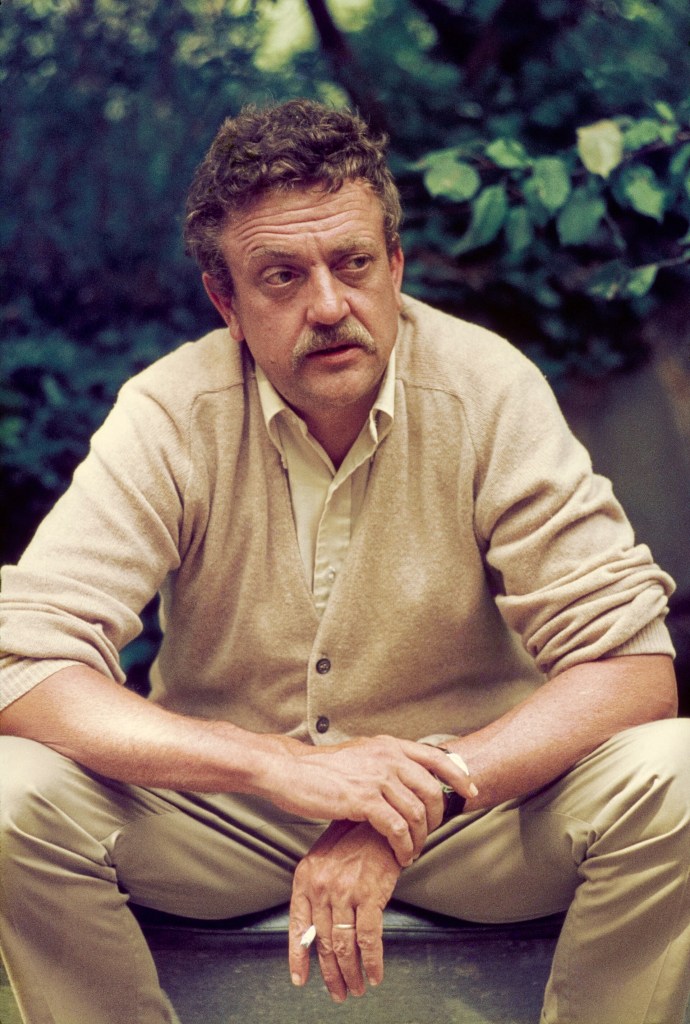
    Kurt Vonnegut, 1965.
    Image Wikimedia Commons

    The first question relates to today’s date, April 11th, and the answer begins with the letter ‘S’. The remaining questions are not date-related but follow the ‘S’ theme.

    One

    Kurt Vonnegut, who passed away at the age of 84 on this day in 2007, published a novel in 1969. It follows the life and psychological traumas of Billy Pilgrim. What ‘S’ is the title of this novel?

    Answer: Slaughterhouse-Five.

    Slaughterhouse-Five is a 1969 anti-war novel by Kurt Vonnegut. It follows Billy Pilgrim, a soldier who experiences time travel and psychological trauma after surviving the Allied firebombing of Dresden whilst he was being held as a prisoner of war, like Vonnegut himself.


    Two

    What ‘S’ is an acoustic sensing method first used by Leonardo da Vinci in the 15th century but more associated with the Cold War?

    Answer: Sonar.

    Sonar, a technique using sound propagation, is employed for navigation, distance measurement, communication, and object detection underwater. It can operate passively by listening for sounds or actively by emitting sound pulses and listening for echoes. Initially used by Leonardo da Vinci in 1490, who employed a tube inserted into the water to detect vessels by ear, sonar was further developed during WWI with a passive sonar system to counter submarines developed by 1918. Modern active sonar utilises acoustic transducers to detect objects.


    Three

    What ’S’ can this description apply to?

    • A republic with two heads of state
    • Official language: Italian
    • Currency: Euro

    Answer: San Marino.

    San Marino, a landlocked country in Southern Europe. It claims to be the oldest sovereign state and constitutional republic, being founded in AD 301. It has a unique political structure with two heads of state, the Captains Regent, elected every six months. San Marino is a member of the Council of Europe, uses the euro, and has a strong economy based on finance, industry, services, retail and tourism.


    Four

    What ‘S’ was the traditional garment worn by Roman women and the equivalent of the toga worn by men?

    Answer: Stola.

    The stola was the traditional garment of Roman women, akin to the men’s toga, and was also referred to as vestis longa due to its length. A well-known depiction of the stola is on the Statue of Liberty in New York City, which represents Libertas, the Roman goddess of liberty. Libertas, known to the ancient Greeks as Eleutheria, is portrayed wearing the stola, a crown, and sandals.


    Five

    What ‘S’ connects the Moby-Dick to coffee (at least to 88.889%)?

    Answer: Starbuck(s).

    Starbuck, the young chief mate, is a thoughtful Quaker who opposes Ahab’s quest for revenge against Moby Dick, believing it to be madness and blasphemous. Despite his objections and desire to return home, he feels bound to obey Ahab.

    Moby-Dick didn’t have anything to do with Starbucks directly; it was only coincidental that the sound seemed to make sense.

    — Gordon Bowker, co-founder of Starbucks

  • S is for…

    Kurt Vonnegut, 1965.
    Image Wikimedia Commons

    The first question relates to today’s date, April 11th, and the answer begins with the letter ‘S’. The remaining questions are not date-related but follow the ‘S’ theme.

    One

    Kurt Vonnegut, who passed away at the age of 84 on this day in 2007, published a novel in 1969 which follows the life and psychological traumas of Billy Pilgrim. What is the title of this novel?


    Two

    What ‘S’ is an acoustic sensing method first used by Leonardo da Vinci in the 15th century but more associated with the Cold War?


    Three

    What ’S’ can this description apply to?

    • A republic with two heads of state
    • Official language: Italian
    • Currency: Euro

    Four

    What ‘S’ was the traditional garment worn by Roman women and the equivalent of the toga worn by men?


    Five

    What ‘S’ connects the Moby-Dick to coffee (at least to 88.889%)?


    Good luck! I’ll post the answers later.


  • It’s a Knockout — Answers

    Here are the answers to the questions I posed in my earlier post.

    See if you can KO these five questions with the answers beginning with the letters from K to O, with each letter being used only once, but they are not in alphabetical order.

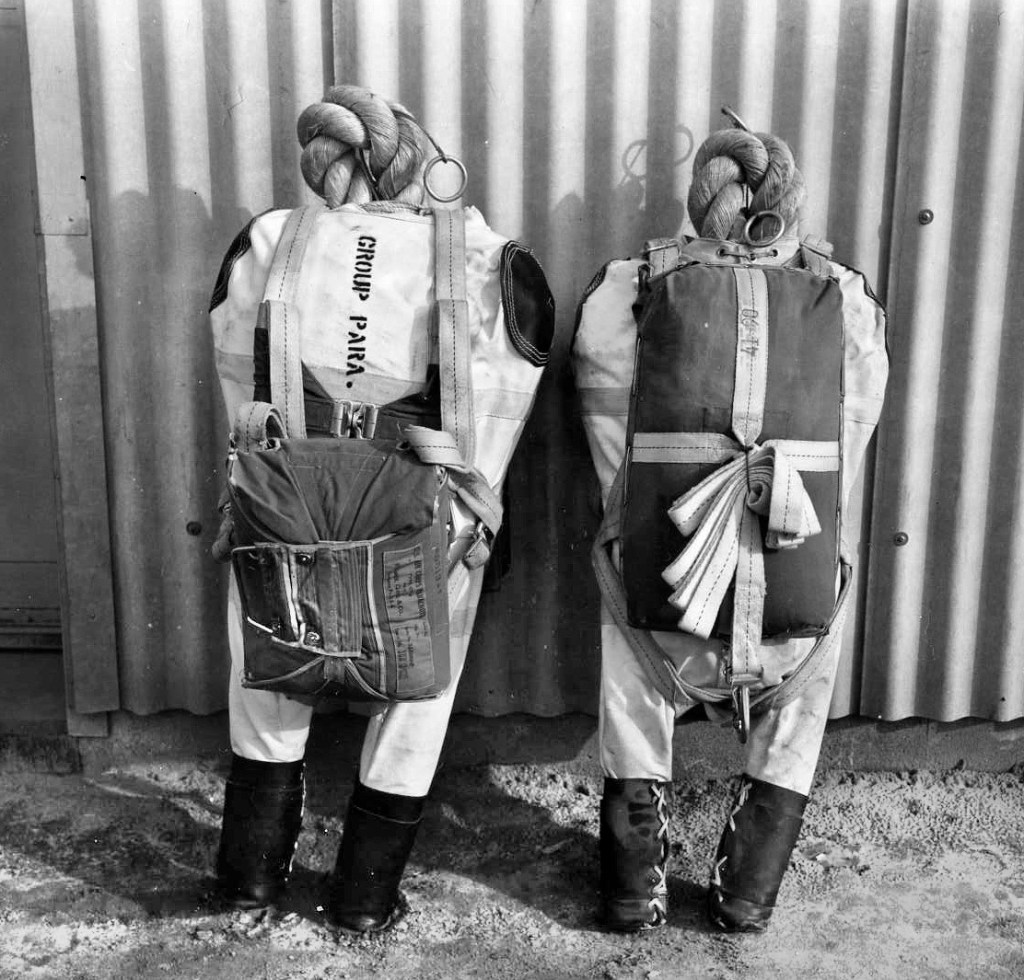
    Para-dummies.
    Image Warfare History Network

    One

    Para-dummies, pictured above, were a deception device used in World War II. British troops nicknamed them Rupert; what name did the Americans give them? 

    Answer: Oscar.

    These para-dummies, first used in World War II, served as military deception devices to imitate paratroop drops, causing the enemy to shift forces or fires unnecessarily or to lure them into ambushes. The dolls were nicknamed Rupert by British troops and Oscar by American troops. Made of burlap and filled with straw or green waste, these immobile dummies were about 85 cm tall, smaller than a person. However, during twilight, they were difficult to distinguish from real parachutists. To further confuse defenders, the dummies contained explosives that detonated on impact, and real parachutists would hang motionless from their parachutes, mimicking the appearance of real jumpers or fallen. 


    Two

    In 2023, what is the official currency of Denmark, Greenland and the Faroe Islands? 

    Answer: Krone.

    Denmark has kept the krone (DKK) instead of adopting the euro, despite meeting the economic convergence criteria and following EU policies. A referendum in September 2000 rejected the euro, and public opinion has consistently been against its adoption. Greenland and the Faroe Islands are autonomous territories of Denmark. 


    Three

    What interplanetary space probe launched in 2006 became, in 2015, the first to perform a flyby study of Pluto? 

    Answer: New Horizons.

    New Horizons, a NASA space probe launched in 2006, conducted a flyby study of the Pluto system in 2015, becoming the first spacecraft to do so. It then flew into and is currently travelling through the Kuiper Belt, which it is expected to exit between 2028 and 2029.


    Four

    The Galaxy referred to in The Hitchhiker’s Guide to the Galaxy is which one?

    Answer: Milky Way

    The Hitchhiker’s Guide to the Galaxy, a comedy science fiction franchise created by Douglas Adams, follows Arthur Dent’s adventures across the galaxy after Earth’s destruction. The franchise includes radio, novels, comics, TV, games, stage shows, and film.


    Five

    Known as the Pineapple Island, what is the sixth-largest island in the U.S. state of Hawaii?

    Answer: Lānaʻi

    Lānaʻi, the sixth-largest Hawaiian island, is known as the Pineapple Island due to its past pineapple plantations. Lānaʻi has a population of 3,367 and is accessible only by dirt roads requiring four-wheel drive. There is one school, Lānaʻi High and Elementary School, one hospital, Lanai Community Hospital, and a community health centre providing primary care. Two per cent of the island is owned by the state or private entities, with the remaining 98% owned by Larry Ellison, co-founder and chairman of software company Oracle Corporation. 


    Post Title

    It’s a Knockout

    Today’s questions have answers in the range K to O and KO is an accepted abbreviation for Knockout.


  • It’s a Knockout

    See if you can KO these five questions with the answers beginning with the letters from K to O, with each letter being used only once, but they are not in alphabetical order.

    Para-dummies.
    Image Warfare History Network

    One

    Para-dummies, pictured above, were a deception device used in World War II. British troops nicknamed them Rupert; what name did the Americans give them? 


    Two

    In 2023, what is the official currency of Denmark, Greenland and the Faroe Islands? 


    Three

    What interplanetary space probe launched in 2006 became, in 2015, the first to perform a flyby study of Pluto? 


    Four

    The Galaxy referred to in The Hitchhiker’s Guide to the Galaxy is which one?


    Five

    Known as the Pineapple Island, what is the sixth-largest island in the U.S. state of Hawaii?


    Good luck! I’ll post the answers later.


  • Every Picture Tells a Story — Answers

    The answers to my earlier questions are shown below.

    Five pictures and some questions all of which are related to today’s date, March 24th.

    One

    Brandenburg Gate, Berlin.
    Image Wikimedia Commons

    In 1721, a collection of six instrumental works—the composer’s own title was Six Concerts Avec plusieurs Instruments (Six Concertos With several Instruments)—were presented by Johann Sebastian Bach to Christian Ludwig, a marquess and younger brother of King Frederick I of Prussia. Using the above picture as a clue, by what name is this collection commonly known today?

    Answer: Brandenburg Concertos

    Johann Sebastian Bach’s Brandenburg Concertos, now his most popular work, were likely never performed during his lifetime. Bach sent the original manuscript to the Margrave (Marquess) of Brandenburg in 1721, possibly as a job application, but the Margrave never acknowledged the gift. The concertos were forgotten for over a century until they were rediscovered and published in the 19th century.


    Two

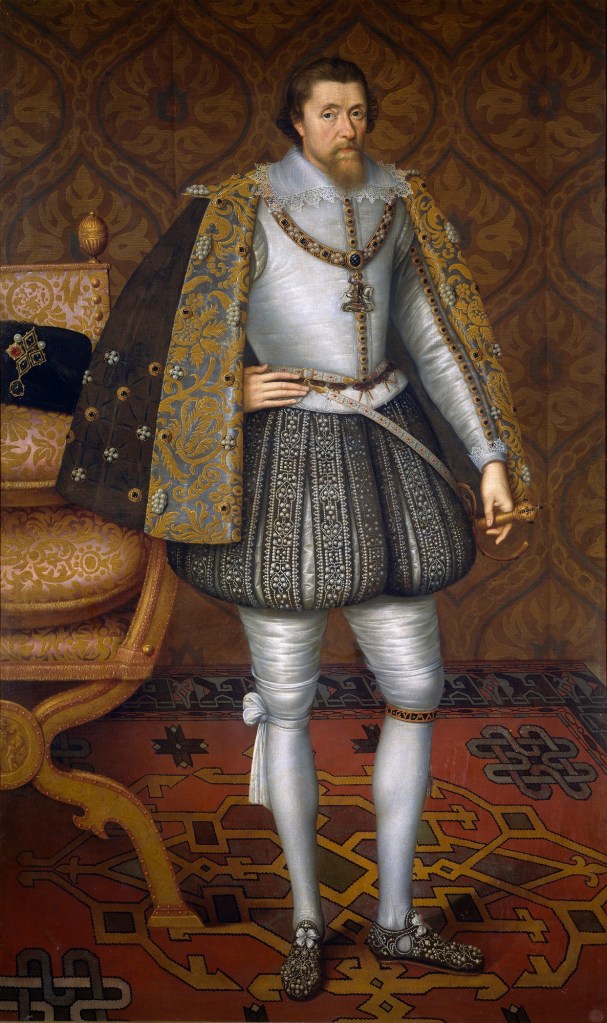
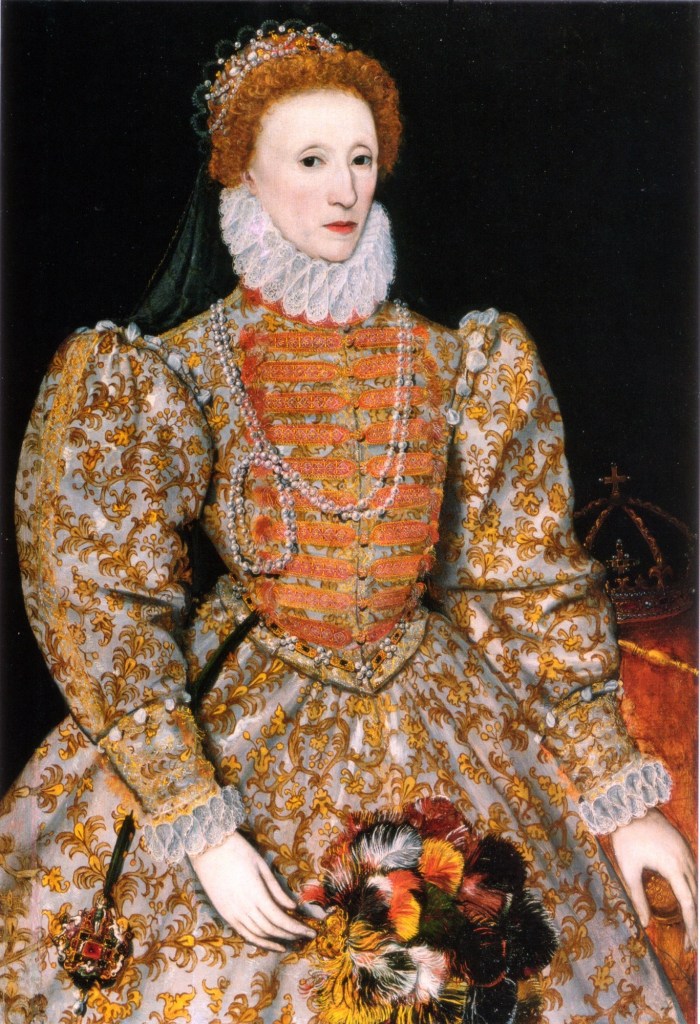
    The male monarch pictured above succeeded the female one on her death in 1603. 

    1. Who is the queen?
    2. Who was the king?
    3. What was the familial relationship between them?

    Answers

    1. Queen Elizabeth I
    2. King James VI and I
    3. Cousins.

    Queen Elizabeth I’s death in 1603 ended her reign of England and Ireland, leading to her cousin King James VI of Scotland’s succession as King of England and Ireland. Now both James VI and I, his reign saw the beginning of the Plantation of Ulster and English colonisation of the Americas.


    Three

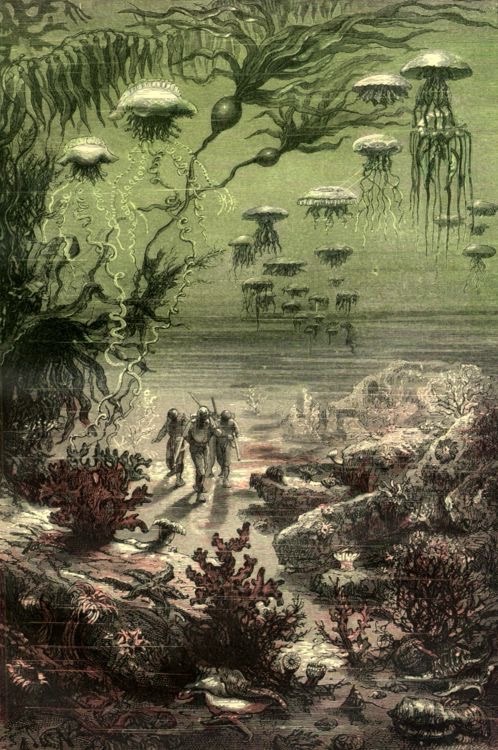
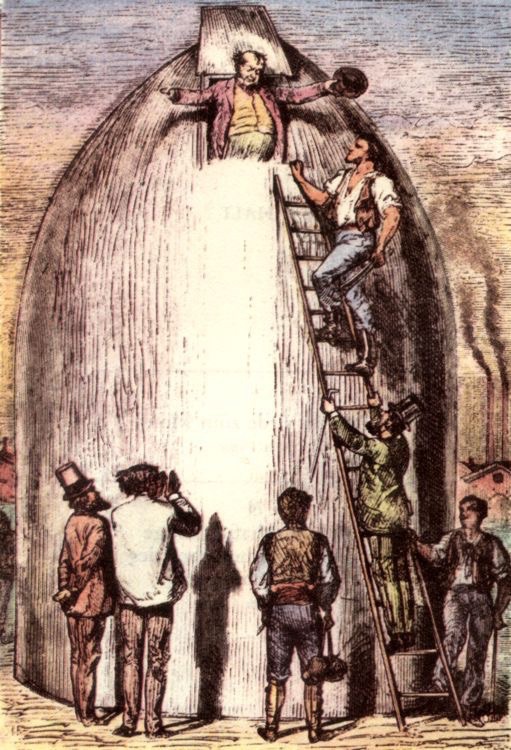
    The two illustrations above are from novels by an author, ‘the father of science fiction’, who died in 1905, aged 77. Since 1979, he has been the second most translated author.

    1. Who was the author?
    2. From what novel is the first illustration?
    3. From what novel is the second illustration?

    Answers

    1. Jules Verne 
    2. Twenty Thousand Leagues Under the Sea
    3. From the Earth to the Moon

    Jules Verne was a French novelist, poet, and playwright, best known for his adventure novels like Journey to the Centre of the Earth and Around the World in Eighty Days His work, often set in the 19th century, incorporated contemporary scientific knowledge and technological advances. Verne is considered an important author in Europe and has been the second most-translated author in the world since 1979.


    Four

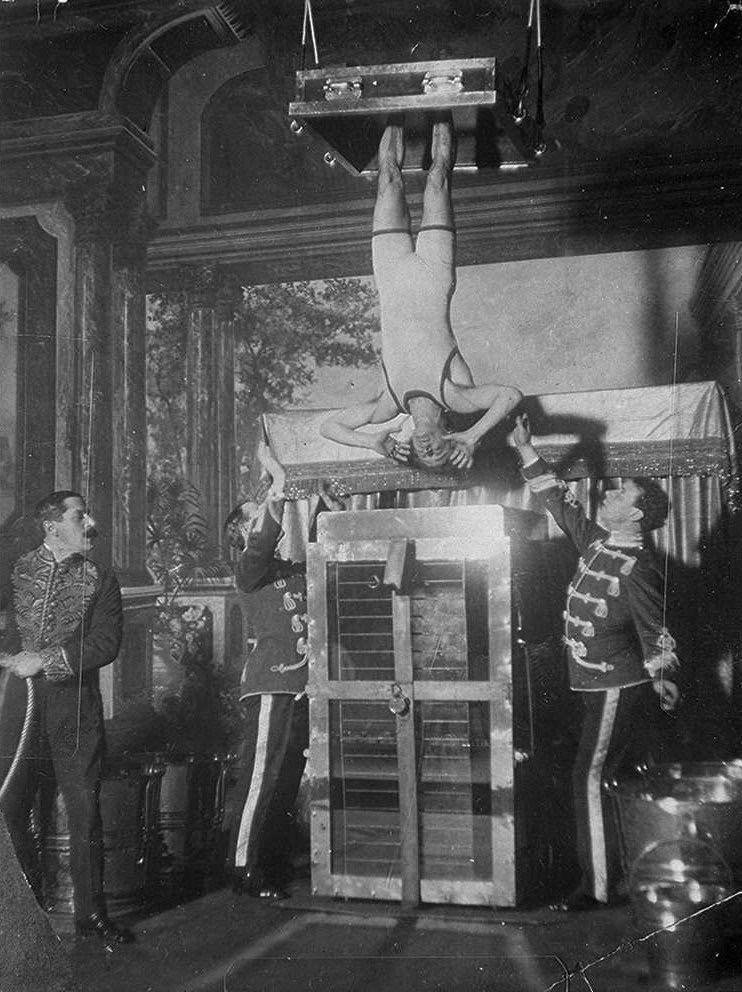
    Harry Houdini, performing The Chinese Water Torture Cell.
    Image Wikimedia Commons

    Erik Weisz, who was born in 1874, is pictured above during one of his acts, although he’s better known by his stage name.

    1. In what European city was he born?
    2. Who is he better known as?

    Answers

    1. Budapest
    2. Harry Houdini.

    Harry Houdini, a Hungarian-American escapologist, gained fame for his daring escape acts, including freeing himself from handcuffs, chains, and straitjackets. He also pursued a crusade against fraudulent spiritualists and was a pioneer aviator.


    Five

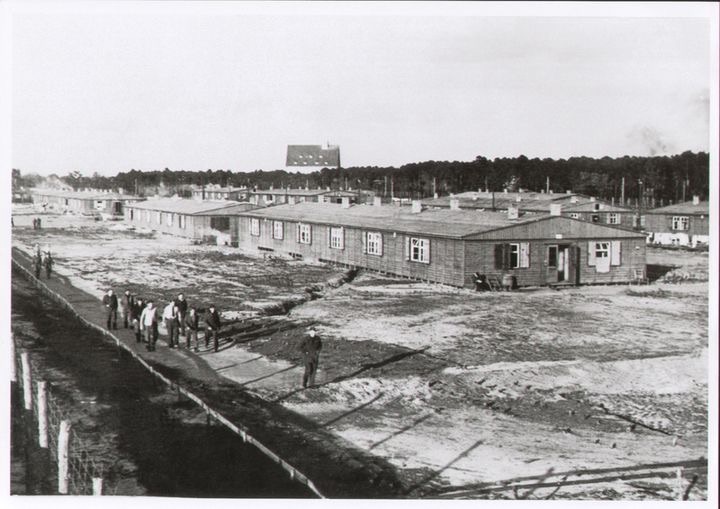
    Stalag Luft III.
    Image Wikimedia Commons

    The prisoner of war camp above was made famous by a 1963 film which features the inmates attempts to leave it on the night of 24 March 1944.

    1. By what name is this POW camp commonly known?
    2. What was the 1963 film?
    3. In what modern country is the site of the camp today?

    Answers

    1. Stalag Luft III
    2. The Great Escape
    3. Poland

    Stalag Luft III (in full Stammlager Luft III; literally meaning Main Camp, Air, III) was a World War II POW camp for Allied airmen, known for escape plots including the Great Escape. Of the 76 men who escaped that night, 73 were recaptured, and fifty of those were executed. The camp, which was liberated in 1945 and is now a museum, was the subject of two feature films about the escape attempts that were made: The Wooden Horse (1950) and The Great Escape (1963).


  • Every Picture Tells a Story

    Five pictures and some questions all of which are related to today’s date, March 24th.

    One

    Image Wikimedia Commons

    In 1721, a collection of six instrumental works—the composer’s own title was Six Concerts Avec plusieurs Instruments (Six Concertos With several Instruments)—were presented by Johann Sebastian Bach to Christian Ludwig, a marquess and younger brother of King Frederick I of Prussia. Using the above picture as a clue, by what name is this collection commonly known today?


    Two

    The male monarch pictured above succeeded the female one on her death in 1603. 

    1. Who is the queen?
    2. Who was the king?
    3. What was the familial relationship between them?

    Three

    The two illustrations above are from novels by an author, ‘the father of science fiction’, who died in 1905, aged 77. Since 1979, he has been the second most translated author.

    1. Who was the author?
    2. From what novel is the first illustration?
    3. From what novel is the second illustration?

    Four

    Eric Weisz.
    Image Wikimedia Commons

    Erik Weisz, who was born in 1874, is pictured above during one of his acts, although he’s better known by his stage name.

    1. In what European city was he born?
    2. Who is he better known as?

    Five

    Image Wikimedia Commons

    The prisoner of war camp above was made famous by a 1963 film which features the inmates attempts to leave it on the night of 24 March 1944. 

    1. By what name is this POW camp commonly known?
    2. What was the 1963 film?
    3. In what modern country is the site of the camp today?

    Good luck! I’ll post the answers later.


  • The Wind in the Wires Made a Tattle-tale Sound—Answers

    Five random questions for you to ponder today. 

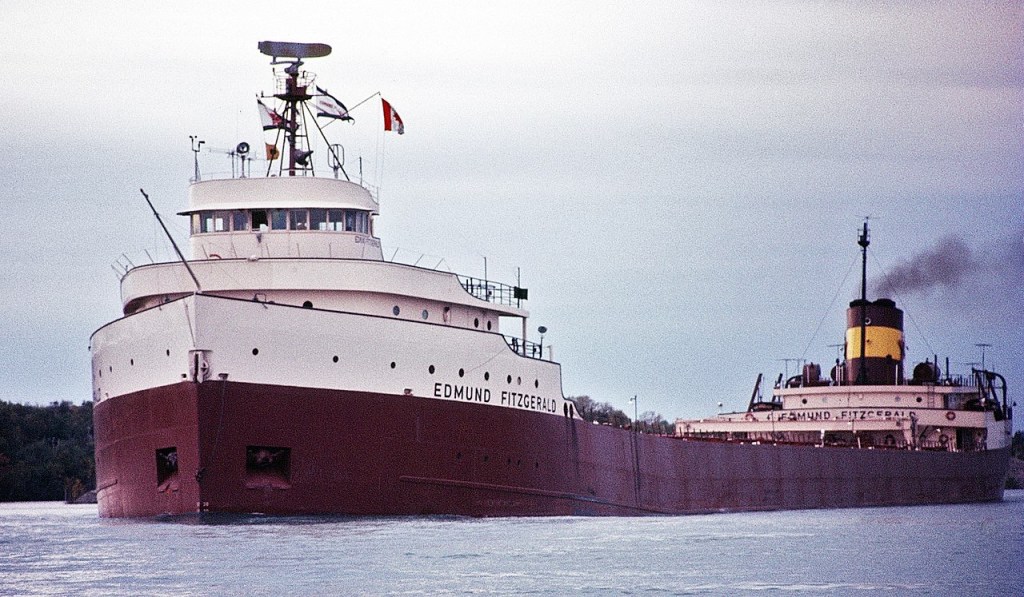
    Edmund Fitzgerald.
    Image Wikimedia Commons

    One

    On which of the Great Lakes did the SS Edmund Fitzgerald sink with the loss of her entire crew in 1975?

    1. Lake Michigan
    2. Lake Ontario
    3. Lake Superior

    Answer: 3. Lake Superior.

    The SS Edmund Fitzgerald, the largest ship on the Great Lakes, sank during a storm on November 10, 1975, with all 29 crew members lost. The cause of the sinking remains unknown, though it is believed to have been due to a combination of factors such as structural failure and high waves. The disaster led to changes in Great Lakes shipping regulations and practices. The Edmund Fitzgerald disaster, immortalised in Gordon Lightfoot’s ballad, led to significant changes in Great Lakes shipping regulations, including mandatory survival suits and increased inspections.


    Two

    This Eurasian woodland plant, Allium uranium, with broad shiny leaves and round heads of flowers, producing a strong aroma of garlic is also called wild garlic. What is it?

    1. Larsons
    2. Ramsons
    3. Tamsons 

    Answer: 2. Ramsoms.

    Allium ursinum, or wild garlic, is a bulbous perennial flowering plant native to Eurasia. It is a wild relative of onion and garlic. It has several names including ramsons; it is also known as buckrams, broad-leaved garlic, cowleekes, cows’s leek, cowleek, wood garlic, Eurasian wild garlic, onion grass, bear leek and bear’s garlic. 


    Three

    What letter(s) is the symbol which represents the element tungsten?

    1. T
    2. Gs
    3. W

    Answer: 3. W.

    Tungsten, also known as wolfram, is a chemical element with the symbol W and atomic number 74. It is a metal found naturally in compounds and was first isolated as a metal in 1783.


    Four

    Who, on a sixties album, released a version of the Christmas carol Silent Night with a simulated 7 O’clock News, which featured real events from the preceding summer, being read over it? 

    1. Crosby, Stills and Nash
    2. Joni Mitchell
    3. Simon & Garfunkel

    Answer: 3. Simon & Garfunkel.

    7 O’Clock News/Silent Night by Simon & Garfunkel is a sound collage from their 1966 album, combining Silent Nightwith a simulated news bulletin. A sound collage juxtaposes Silent Night with a news report, highlighting social issues like civil rights, Lenny Bruce’s death, and the Vietnam War. The track’s mix emphasises the contrast between the news and the Christmas song.


    Five

    In which Scottish body of water was the German High Seas Fleet scuttled in June 1919?

    1. Loch Ness
    2. Scapa Flow
    3. Firth of Lorn

    Andwer: 2. Scapa Flow.

    Scapa Flow is a strait in the Orkney Islands, Scotland. It was an important British naval base, especially in the First World War. The German High Seas Fleet was interned there after its surrender, and was scuttled in 1919 as an act of defiance against the terms of the Versailles peace settlement.


    The Wind in the Wires Made a Tattle-tale Sound — Post Title

    The post title is a line from The Wreck of the Edmund Fitzgerald by Gordon Lightfoot. Full lyrics below from AZ Lyrics.

    The Wreck Of The Edmund Fitzgerald

    By Gordon Lightfoot.

    The legend lives on from the Chippewa on down
    Of the big lake they call Gitche Gumee
    The lake, it is said, never gives up her dead
    When the skies of November turn gloomy
    With a load of iron ore twenty-six thousand tons more
    Than the Edmund Fitzgerald weighed empty
    [Former version:] That good ship and true was a bone to be chewed
    [Latter version:] That good ship and crew was a bone to be chewed
    When the gales of November came early 

    The ship was the pride of the American side
    Coming back from some mill in Wisconsin
    As the big freighters go, it was bigger than most
    With a crew and good captain well seasoned
    Concluding some terms with a couple of steel firms
    When they left fully loaded for Cleveland
    Then later that night when the ship’s bell rang
    Could it be the north wind they’d been feelin’? 

    The wind in the wires made a tattle-tale sound
    When the wave broke over the railing
    And every man knew, as the captain did too
    ‘Twas the witch of November come stealin’
    The dawn came late and the breakfast had to wait
    When the gales of November came slashin’
    When afternoon came it was freezing rain
    In the face of a hurricane west wind 

    When suppertime came, the old cook came on deck
    Saying, “Fellas, it’s too rough to feed ya.”
    [Former version:] At seven PM a main hatchway caved in
    [Latter version:] At seven PM it grew dark, it was then
    He said, “Fellas, it’s been good to know ya.”
    The captain wired in he had water comin’ in
    And the good ship and crew was in peril
    And later that night when his lights went out of sight
    Came the wreck of the Edmund Fitzgerald 

    Does anyone know where the love of God goes
    When the waves turn the minutes to hours?
    The searchers all say they’d have made Whitefish Bay
    If they’d put fifteen more miles behind her
    They might have split up or they might have capsized
    They may have broke deep and took water
    And all that remains is the faces and the names
    Of the wives and the sons and the daughters 

    Lake Huron rolls, Superior sings
    In the rooms of her ice-water mansion
    Old Michigan steams like a young man’s dreams
    The islands and bays are for sportsmen
    And farther below, Lake Ontario
    Takes in what Lake Erie can send her
    And the iron boats go as the mariners all know
    With the gales of November remembered 

    [Former version:] In a musty old hall in Detroit they prayed
    [Latter version:] In a rustic old hall in Detroit they prayed
    In the Maritime Sailors’ Cathedral
    The church bell chimed ’til it rang twenty-nine times
    For each man on the Edmund Fitzgerald
    The legend lives on from the Chippewa on down
    Of the big lake they call Gitche Gumee
    Superior, they said, never gives up her dead
    When the gales of November come early.
    AZ Lyrics.


  • The Wind in the Wires Made a Tattle-tale Sound

    Five random questions for you to ponder today. 

    Edmund Fitzgerald.
    Image Wikimedia Commons

    One

    On which of the Great Lakes did the SS Edmund Fitzgerald sink with the loss of her entire crew in 1975?

    1. Lake Michigan
    2. Lake Ontario
    3. Lake Superior

    Two

    This Eurasian woodland plant, Allium uranium, with broad shiny leaves and round heads of flowers, producing a strong aroma of garlic is also called wild garlic. What is it?

    1. Larsons
    2. Ramsons
    3. Tamsons 

    Three

    What letter(s) is the symbol which represents the element tungsten?

    1. T
    2. Gs
    3. W

    Four

    Who, on a sixties album, released a version of the Christmas carol Silent Night with a simulated 7 O’clock News, which featured events from the preceding summer, being read over it? 

    1. Crosby, Stills and Nash
    2. Joni Mitchell
    3. Simon & Garfunkel

    Five

    In which Scottish body of water was the German High Seas Fleet scuttled in June 1919?

    1. Loch Ness
    2. Scapa Flow
    3. Firth of Lorn

    Good luck! I’ll post the answers later.


  • Three Cigarettes in an Ashtray—Answers

    Here are the answers to the questions I posted earlier.

    These are five questions which are related to today, February 5th.

    Section of the border between East and West Germany.
    Image Wikimedia Commons

    One

    The term ‘Iron Curtain’ described the political and physical boundary dividing Europe from the end of World War II until the end of the Cold War. Who popularised its use in a speech at Westminster College, Fulton, Missouri, on 5 March 1946?

    Answer: Winston Churchill.

    …an iron curtain has descended across the Continent. Behind that line lie all the capitals of the ancient states of Central and Eastern Europe.
    — Winston Churchill, Former British prime minister, 5 March 1946, Westminster College, Fulton, Missouri

    The Iron Curtain was a political and physical boundary dividing Europe from 1945 to 1990/1991, symbolising the ideological divide between the Soviet-controlled Eastern Bloc and the Western nations. Popularised by Winston Churchill in 1946, the term originally described physical barriers but later encompassed broader cultural and ideological differences. The Iron Curtain largely dissolved in 1989-90 with the fall of communism.


    Two

    A 31-year-old American country singer, who was born Virginia Patterson Hensley in Virginia, died in a 1963 plane crash in Tennessee. She had enjoyed an eight-year recording career, which included two number ones as well as other major chart hits. By what name was she known professionally?

    Answer: Patsy Cline.

    Patsy Cline, born Virginia Patterson Hensley, was an American singer known for her crossover success from country to pop music. She achieved major hits like Walkin’ After Midnight and I Fall to Pieces, becoming a trailblazer for women in country music. Although, she died in a plane crash in 1963, her legacy endures through her influential music and posthumous recognition.

    Three Cigarettes in an Ashtray

    The post title, Three Cigarettes in an Ashtray, was the title of a Patsy Cline single from 1957.


    Three

    In 1616, 73 years after publication, On the Revolutions of the Heavenly Spheres (De revolutionibus orbium coelestium) was added to the Index of Forbidden Books (Index Librorum Prohibitorum) by the Sacred Congregation of the Index. Which astronomer had written On the Revolutions of the Heavenly Spheres?

    Answer: Nicolaus Copernicus

    Copernicus’s book placed the Sun rather than the Earth at the centre, meaning the Earth and other planets orbited the Sun. The Index Librorum Prohibitorum, active from 1560 to 1966, was a list of publications deemed heretical or immoral by the Catholic Church. It banned thousands of books, including works by theologians, astronomers, philosophers, and unapproved Bible editions, to protect church members from potentially disruptive ideas.


    Four

    In 1942 Japanese forces captured what is now Jakarta, Indonesia. At that time, what was the city called and of where was it the capital?

    Answers: Batavia; Dutch East Indies.

    Batavia, now known as Jakarta, was founded in 1619 by the Dutch East India Company (VOC) as a strategic trading post in the Dutch colonial empire. It became the capital of the Dutch East Indies and was pivotal for their trade routes, especially in spices and other commodities. Following Indonesia’s declaration of independence in 1945, Batavia was renamed Jakarta. The city evolved from a colonial outpost to a major urban centre reflecting Indonesia’s diversity and is a bustling metropolis and the capital of Indonesia. It is a hub for culture, economy, and politics in Southeast Asia.


    Five

    In 1496, England’s Henry VII issued letters patent authorising a navigator and his sons to explore unknown lands. This led to what is the earliest known exploration of the North American Atlantic coast since the Norse visits to Vinland in the eleventh century. Who was Henry VII’s explorer?

    Answer: John Cabot.

    John Cabot was an Italian navigator and explorer.  His 1497 voyage to North America, commissioned by Henry VII, King of England, is the earliest known European exploration of the region’s coast since the Norse visits to Vinland in the eleventh century.  To commemorate the 500th anniversary of Cabot’s expedition, both Canadian and British governments declared Cape Bonavista, Newfoundland, as his first landing site. However, alternative locations have also been suggested.


  • Three Cigarettes in an Ashtray

    These are five questions which are related to today, February 5th.

    Section of the border between East and West Germany.
    Image Wikimedia Commons

    One

    The term ‘Iron Curtain’ described the political and physical boundary dividing Europe from the end of World War II until the end of the Cold War. Who popularised its use in a speech at Westminster College, Fulton, Missouri, on 5 March 1946?


    Two

    A 31-year-old American country singer, who was born Virginia Patterson Hensley in Virginia, died in a 1963 plane crash in Tennessee. She had enjoyed an eight-year recording career, which included two number ones as well as other major chart hits. By what name was she known professionally?


    Three

    In 1616, 73 years after publication, On the Revolutions of the Heavenly Spheres (De revolutionibus orbium coelestium) was added to the Index of Forbidden Books (Index Librorum Prohibitorum) by the Sacred Congregation of the Index. Which astronomer had written On the Revolutions of the Heavenly Spheres?


    Four

    In 1942 Japanese forces captured what is now Jakarta, Indonesia. At that time, what was the city called and of where was it the capital?


    Five

    In 1496, England’s Henry VII issued letters patent authorising a navigator and his sons to explore unknown lands. This led to what is the earliest known exploration of the North American Atlantic coast since the Norse visits to Vinland in the eleventh century. Who was Henry VII’s explorer?

    Good luck! I’ll post the answers later.