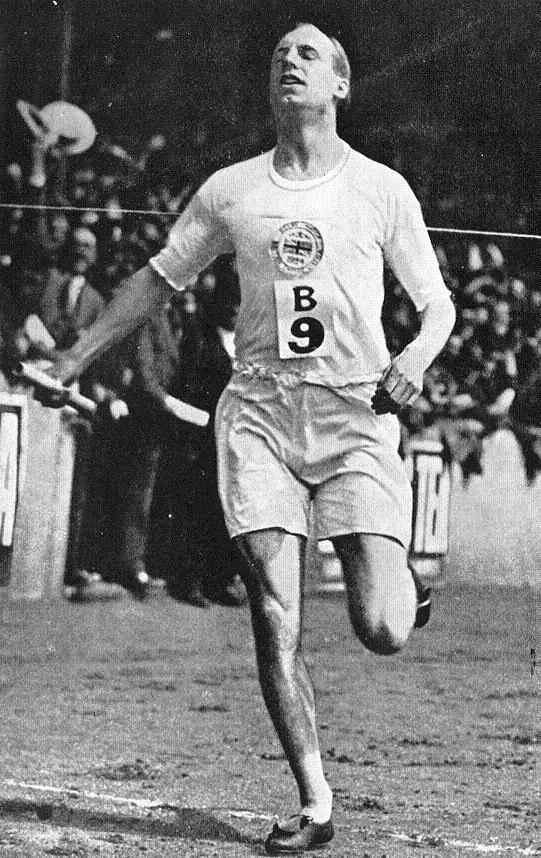
Who was a British Olympic gold medal winner died in a Japanese civilian internment camp during the Second World War and whose story was told in Chariots of Fire?
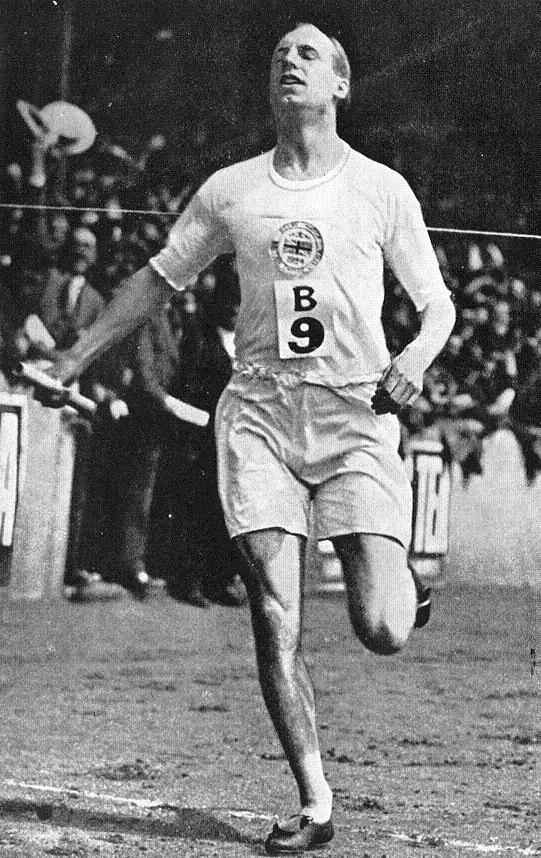
Eric Liddell—a Scottish sprinter, rugby player, and Christian missionary, was born in China to Scottish missionary parents. He won the 400 metres at the 1924 Paris Olympics after refusing to run in the heats for the 100 metres as they were held on a Sunday. These events were recounted in the film Chariots of Fire. He became a Congregational minister in 1932, and served as a missionary teacher in China until his death in a Japanese civilian internment camp in 1945.
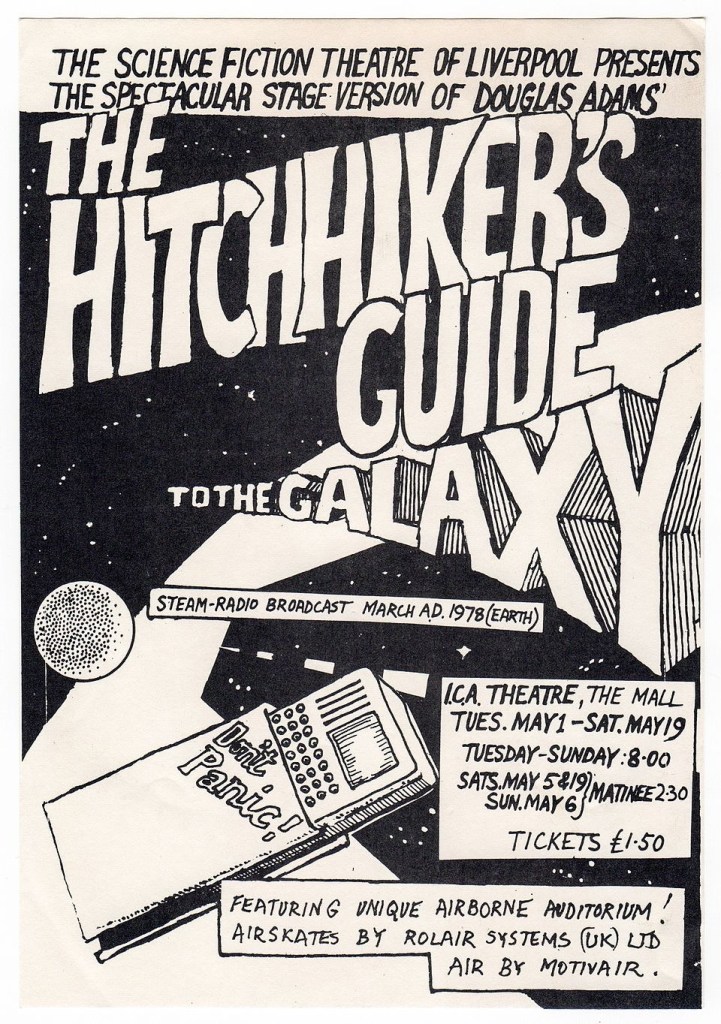
Flyer for the 1979 stage production at the ICA of The Hitchhiker’s Guide To The Galaxy. Image Wikipedia
What author wrote, “In the beginning the Universe was created. This has made a lot of people very angry and been widely regarded as a bad move“?
Douglas Adams—The Hitchhiker’s Guide to the Galaxy is a comedy science fiction franchise that began as a BBC radio series. The story follows Arthur Dent, the last human who hitched a ride off Earth before its destruction.
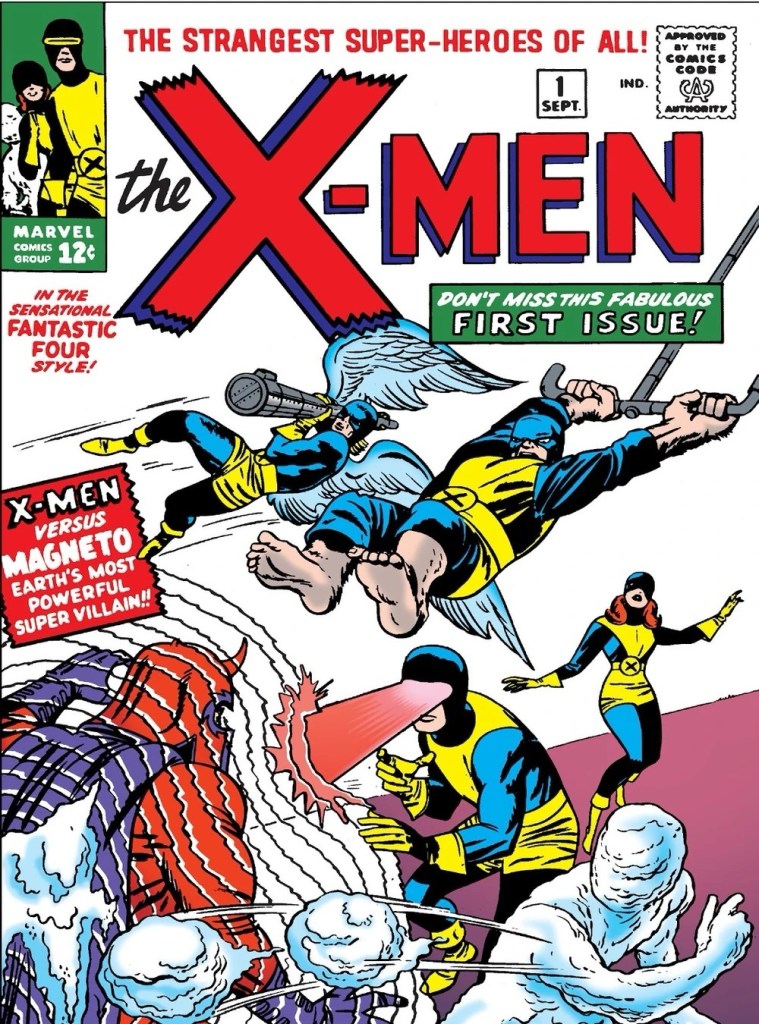
The X-Men, Volume 1 Image Marvel Fandom
When did the Xavier’s School for Gifted Youngsters make its first appearance In Marvel Comics?
1963—The X-Mansion, located in Westchester County, New York, is the base of operations for the X-Men and houses the Xavier Institute for Higher Learning. The mansion has undergone several name changes and relocations, reflecting significant events in the X-Men’s history.
Harry Potter and the Goblet of Fire. Image Harry Potter Fandom
Where did Harry Potter and the Goblet of Fire come in the Harry Potter book series?
Fourth—Harry Potter and the Goblet of Fire is the fourth novel in the Harry Potter series, following Harry’s fourth year at Hogwarts. The book, published simultaneously in the UK and US in 2000, won a Hugo Award and was adapted into a film and video game.
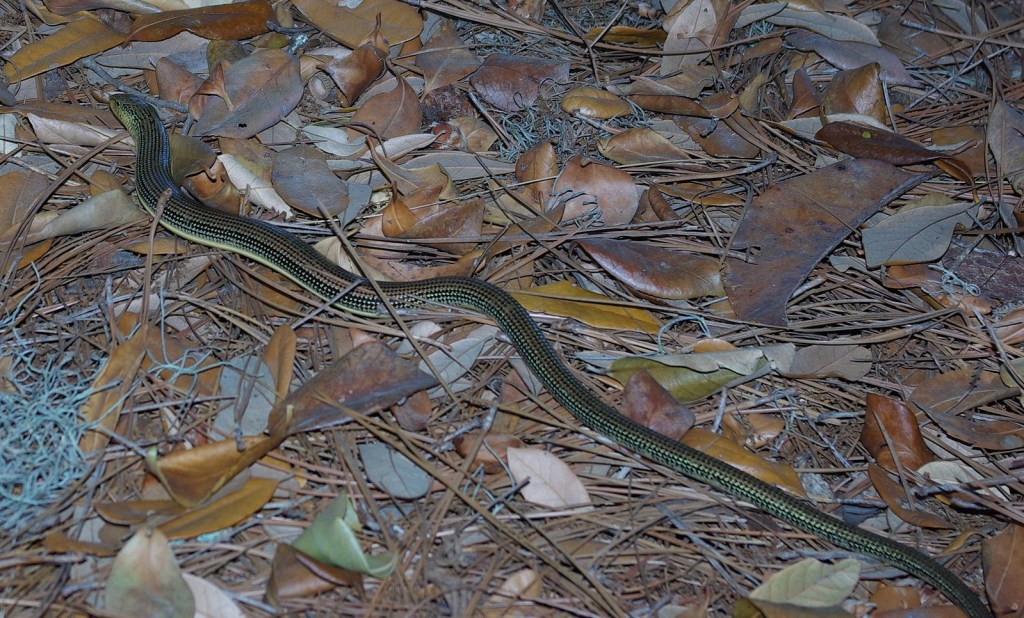
Eastern glass lizard. Image Wikipedia
Why is the glass lizard, such as the eastern glass lizard (Ophisaurus ventralis), so called?
Their tails break off—Anguinae, a subfamily of legless lizards in the Anguidae family, commonly known as glass lizards, glass snakes, or slow worms, are native to North America, Europe, Asia, and North Africa. Their tails easily break or snap off, earning them their first two common names.
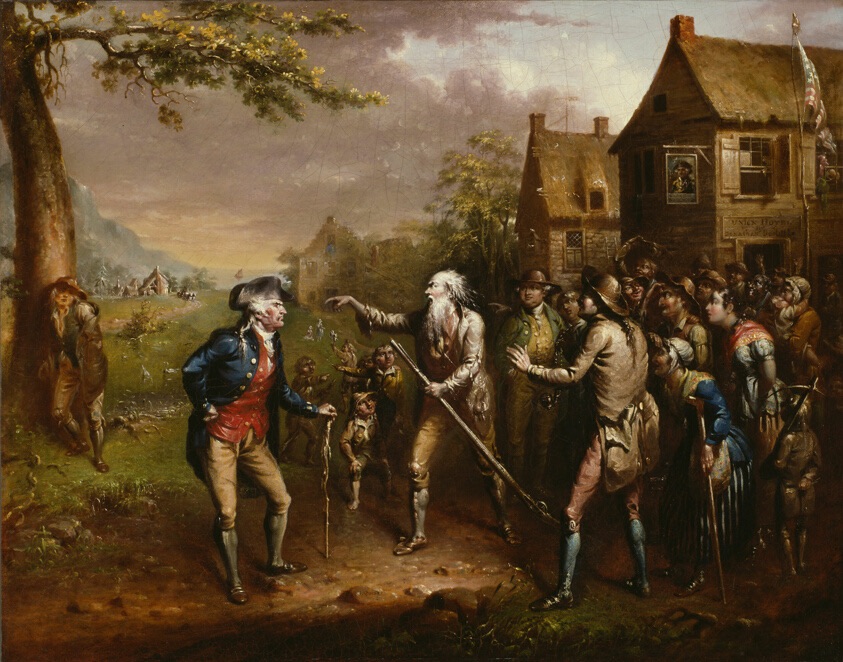
Depiction of Rip Van Winkle by John Quidor. Image Wikipedia
How long does Rip Van Winkle sleep in Washington Irving’s short story?
20 years—Rip Van Winkle is a short story by Washington Irving about a Dutch-American villager who falls asleep in the Catskill Mountains and awakens 20 years later to a changed world. The story was inspired by a conversation on nostalgia and published in 1819
Who was a British Olympic gold medal winner who died in a Japanese civilian internment camp during the Second World War and whose story was told in Chariots of Fire?
Arthur Lumsden
Eric Liddell
Hector Lynch
What author wrote, “In the beginning the Universe was created. This has made a lot of people very angry and been widely regarded as a bad move“?
Douglas Adams
Isaac Asimov
Terry Pratchett
When did the Xavier’s School for Gifted Youngsters make its first appearance In Marvel Comics?
1937
1949
1963
Where did Harry Potter and the Goblet of Fire come in the Harry Potter book series?
Third
Fourth
Fifth
Why is the glass lizard, such as the eastern glass lizard (Ophisaurus ventralis), so called?
They are diaphanous
They are mirror-like
Their tails break off
How long does Rip Van Winkle sleep in Washington Irving’s short story?
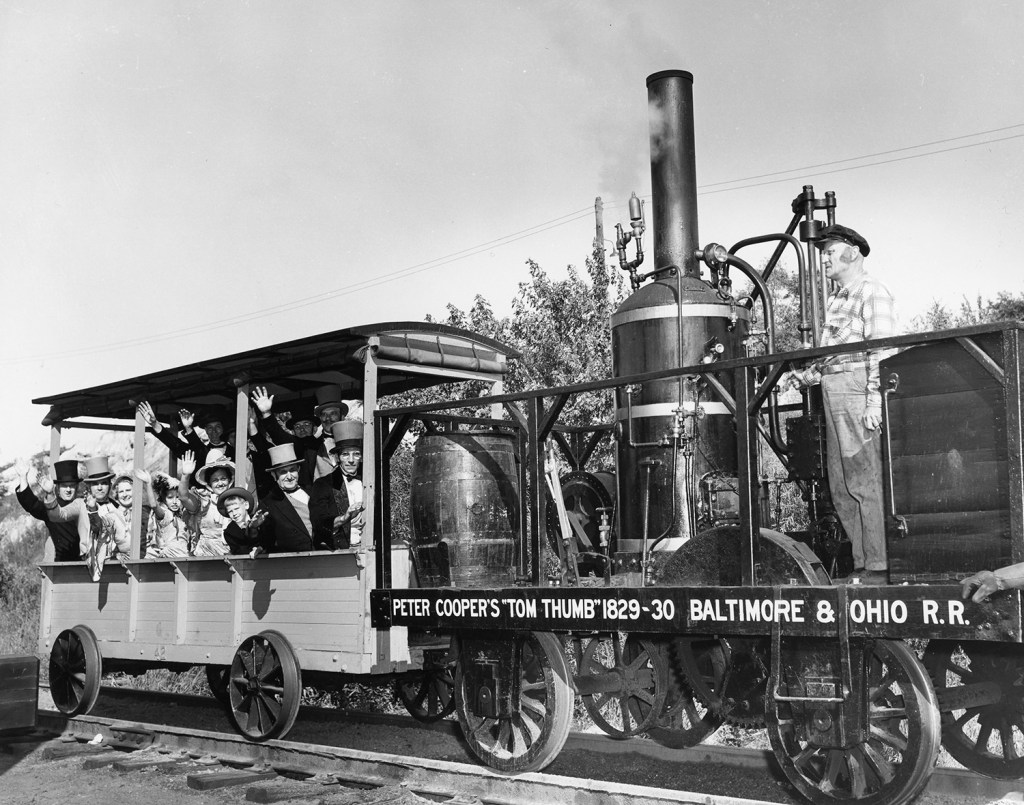
24 May 1840, saw the maiden journey of Peter Cooper’s Tom Thumb locomotive. On which of these did this take place?
Baltimore and Ohio Railroad—Tom Thumb, the first American-built steam locomotive, was designed by Peter Cooper in 1829 to demonstrate steam power to the Baltimore and Ohio Railroad. Though it lost a race to a horse-drawn carriage, the demonstration convinced the railroad to adopt steam locomotives.
Lys Assia. Winner of the Inaugural Eurovision Song Contest, 1956. (Photo 1957) Image Wikipedia
Today in 1956, the first Eurovision Song Contest took place. Which of these cities hosted it?
Lugano, Switzerland—The Eurovision Song Contest is an annual international song competition organised by the European Broadcasting Union. Participating countries submit original songs to be performed live and voted on by other countries, with the song receiving the most points declared the winner. The contest, inspired by the Sanremo Music Festival, has been held annually since 1956, making it the longest-running international music competition on television.
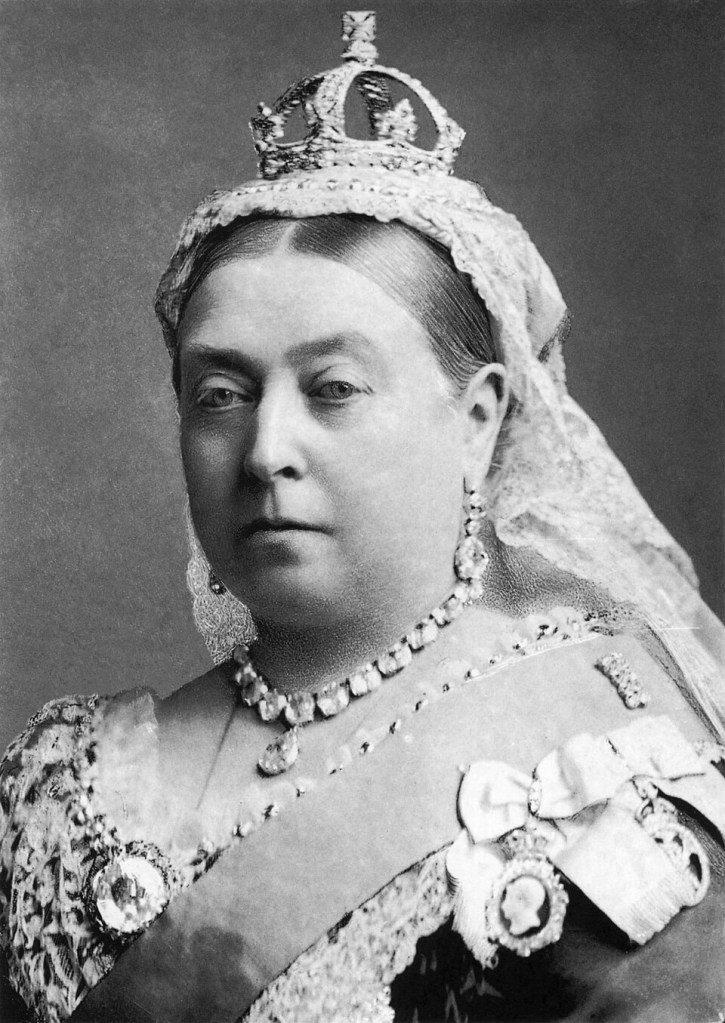
Queen Victoria. Image Wikipedia
Queen Victoria was born on 24 May 1819, when did she become Queen?
20 June 1837—Queen Victoria, who reigned from 1837 to 1901, oversaw significant industrial, political, and scientific changes in the United Kingdom and the expansion of the British Empire. After the death of her husband, Prince Albert, she withdrew from public life but later regained popularity, before dying at the age of 81.
Joan Baez and Bob Dylan. Civil Rights March on Washington, D.C., 28 August 1963. Image Wikipedia
Born this day in 1941 in Duluth, Minnesota, which singer-songwriter penned the lines “You don’t need a weatherman / To know which way the wind blows”?
Bob Dylan—These lines are found at the end of the second verse of Bob Dylan’s Subterranean Homesick Blues (see lyrics quoted below), released in 1965 as a single and later on the album Bringing It All Back Home. It was Dylan’s first Top 40 hit in the US and is ranked 187th on Rolling Stone’s 500 Greatest Songs of All Time list.
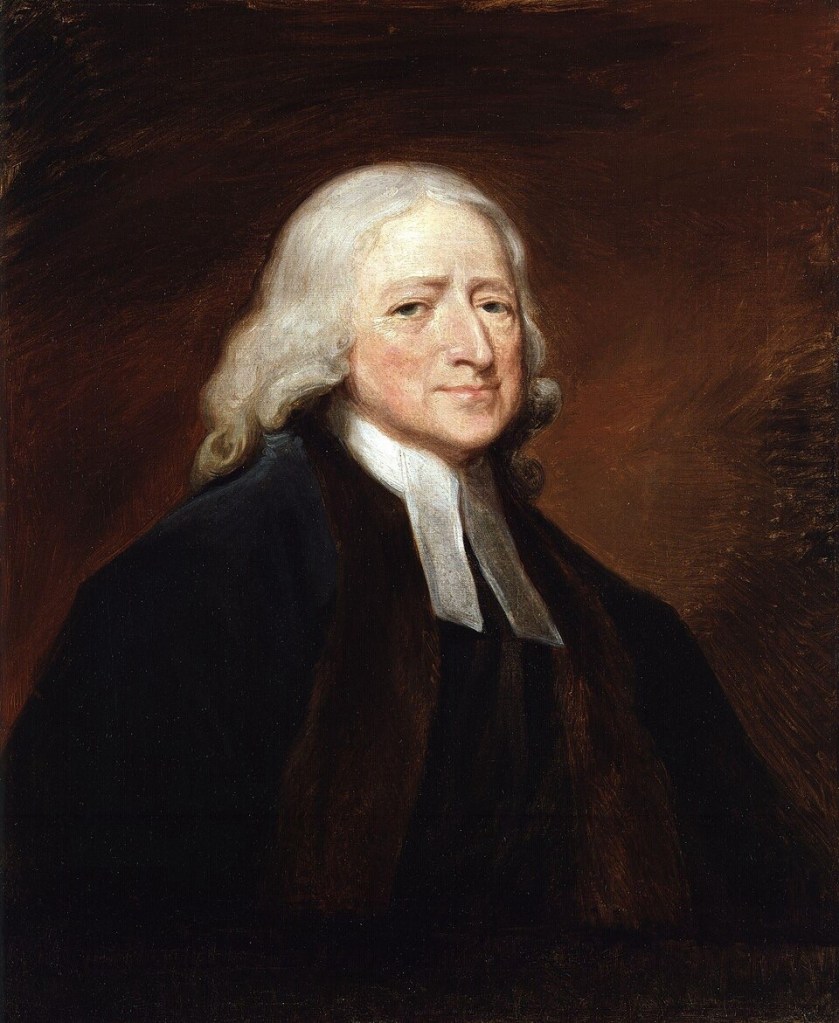
John Wesley. Portrait by George Romney. Image National Portrait Gallery, London/Wikipedia
Aldersgate Day, 24 May, is observed by which of these faith groups?
Methodists—Methodism, founded by John Wesley and his brother Charles, originated as a movement within the Church of England in the 18th century, emphasising sanctification and the transformative power of faith. Known for its focus on evangelism, charity, social justice, and a rich musical tradition, Methodism has spread globally through missionary work, with about 80 million adherents. The Wesley brothers began the “Holy Club” at the University of Oxford, where they lived a disciplined religious life, earning the nickname “Methodist” for their systematic approach. In 1735, they traveled to America as ministers but returned to England feeling spiritually unfulfilled. Seeking guidance, John Wesley experienced a pivotal evangelical conversion at a Moravian service in Aldersgate on 24 May 1738, feeling his “heart strangely warmed” and gaining assurance of salvation through Christ. This experience, along with Charles’s similar conversion, marked a monumental moment in the history of Methodism, ensuring its lasting impact on church history.
Subterranean Homesick Blues
WRITTEN BY: BOB DYLAN
Johnny’s in the basement Mixing up the medicine I’m on the pavement Thinking about the government The man in the trench coat Badge out, laid off Says he’s got a bad cough Wants to get it paid off Look out kid It’s somethin’ you did God knows when But you’re doin’ it again You better duck down the alley way Lookin’ for a new friend The man in the coon-skin cap By the big pen Wants eleven dollar bills You only got ten
Maggie comes fleet foot Face full of black soot Talkin’ that the heat put Plants in the bed but The phone’s tapped anyway Maggie says that many say They must bust in early May Orders from the D.A. Look out kid Don’t matter what you did Walk on your tiptoes Don’t try “No-Doz” Better stay away from those That carry around a fire hose Keep a clean nose Watch the plain clothes You don’t need a weatherman To know which way the wind blows
Get sick, get well Hang around a ink well Ring bell, hard to tell If anything is goin’ to sell Try hard, get barred Get back, write braille Get jailed, jump bail Join the army, if you fail Look out kid You’re gonna get hit But users, cheaters Six-time losers Hang around the theaters Girl by the whirlpool Lookin’ for a new fool Don’t follow leaders Watch the parkin’ meters
Ah get born, keep warm Short pants, romance, learn to dance Get dressed, get blessed Try to be a success Please her, please him, buy gifts Don’t steal, don’t lift Twenty years of schoolin’ And they put you on the day shift Look out kid They keep it all hid Better jump down a manhole Light yourself a candle Don’t wear sandals Try to avoid the scandals Don’t wanna be a bum You better chew gum The pump don’t work ’Cause the vandals took the handles
What ‘H’ is an eight-letter word which can go before guitar, islands and pizza?
Hawaiian—relating to Hawaii, its people, or their language. Hence Hawaiian guitar, Hawaiian Islands and Hawaiian pizza.
Ripostes by Ezra Ound. Image Wikipedia
What ‘E’ is an American poet who published Ripostes, a collection of 25 poems, in 1912? (First & second name please)
Ezra Pound—Ezra Pound was an American poet and critic, a major figure in early modernist poetry. He was a collaborator in Fascist Italy during World War II, recording propaganda broadcasts attacking the US, Britain and Jews. After the war, he was held in a US military detention camp and later incarcerated for over 12 years in a psychiatric hospital.
What ‘L’ is an 8-letter word meaning the same as port and the opposite of starboard?
Larboard—Middle English ladebord, referring to the side on which cargo was put aboard. The change to lar- in the 16th century was due to association with starboard. (Oxford English Dictionary)
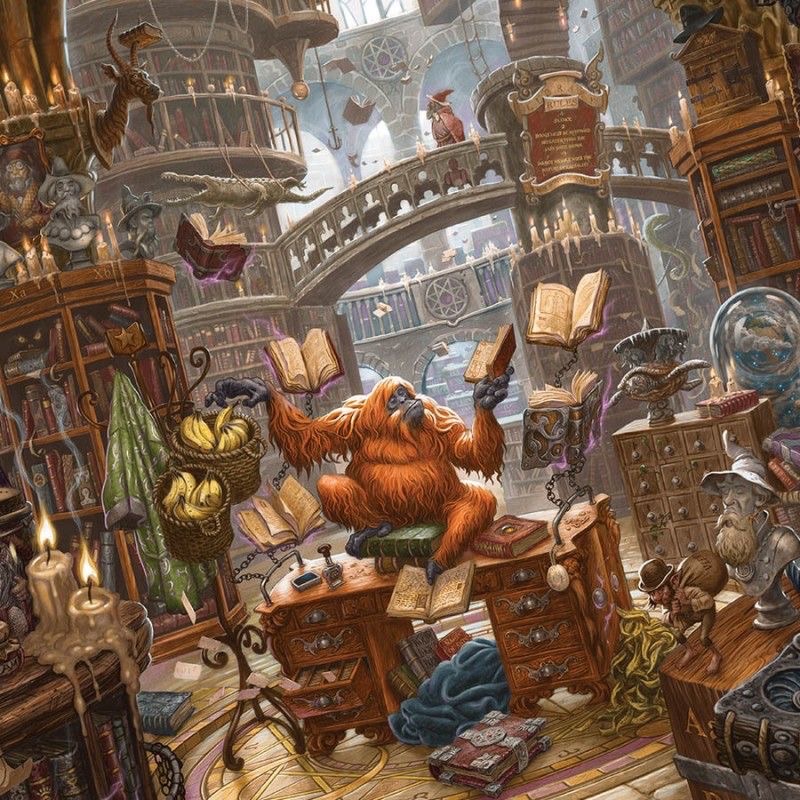
The Librarian, Unseen University. Image Pinterest
What ‘L’, a facility the fictional Unseen University, is tended by a faculty member who is a pongo
Library—In Terry Pratchett’s Discworld series The Librarian of the Unseen University’s library, originally Dr. Horace Worblehat, was transformed into an orang-utan and chose to remain that way due to the advantages it offered for his job. He communicates using the word “ook” and is fiercely protective of his anonymity, as revealing his true name could reverse the transformation. The Librarian is known for his love of music, his role in the City Watch, and his membership in an elite group of librarians who can travel through L-Space.
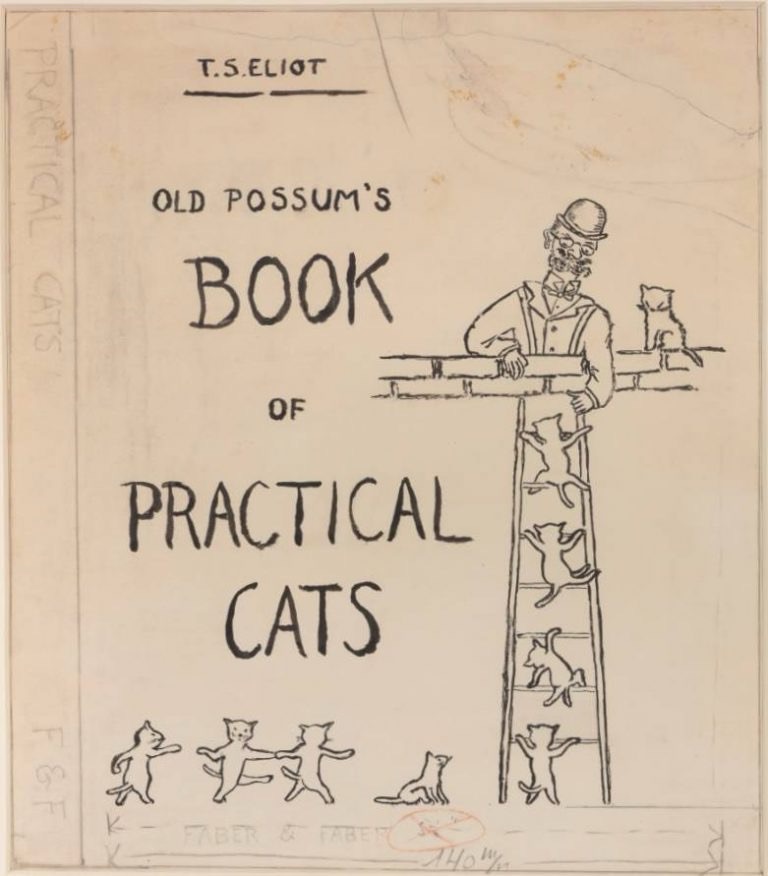
Old Possum’s Book of Practical Cats. Image tseliot.com
What ‘O’ is “a collection of whimsical light poems about feline psychology and sociology” which became the basis of the musical Cats?
Old Possum’s Book of Practical Cats—a collection of light poems about cats by TS Eliot, was published in 1939 and later adapted into Andrew Lloyd Webber’s musical Cats. Eliot wrote the poems in the 1930s and included them in letters to his godchildren.
What ‘H’ is an eight-letter word which can go before guitar, islands and pizza?
What ‘E’ is an American poet who published Ripostes, a collection of 25 poems, in 1912? (First & second name please)
What ‘L’ is an 8-letter word meaning the same as port and the opposite of starboard?
What ‘L’, a facility the fictional Unseen University, is tended by a faculty member who is a pongo?
What ‘O’ is “a collection of whimsical light poems about feline psychology and sociology” which became the basis of the musical Cats? (Six words in the answer)
In the 2024 film Oppenheimer, Gary Oldman portrayed which US President?
Harry S Truman—President Harry S. Truman played a significant role in the decision to use atomic bombs on Hiroshima and Nagasaki after the successful Trinity test. Despite Oppenheimer’s guilt and remorse over the destruction caused, Truman ordered the bombings, leading to Japan’s surrender. Later, when Oppenheimer expressed his regret to Truman and pleaded to halt further atomic development, the president criticised him and dismissed his request.
Princess Beatrice. Image Wikipedia
Charity Wakefield played the role of who in Scoop (2024)?
Princess Beatrice—Princess Beatrice, daughter of Prince Andrew and Sarah, Duchess of York, is a member of the British royal family and niece of King Charles III. She graduated from Goldsmiths College and works with Afiniti and various charities. Beatrice married Edoardo Mapelli Mozzi in 2020 and they have two daughters.
In which 1976 film did Hal Holbrook play Deep Throat?
All the President’s Men—“All the President’s Men” is a 1976 American biographical political thriller film about the Watergate scandal. The film stars Robert Redford and Dustin Hoffman as journalists Woodward and Bernstein, respectively. Hal Holbrook portrays ‘Deep Throat’ a senior government official who has turned informant. In 2005, at age 91, Mark Felt revealed to Vanity Fair magazine that during his tenure as Deputy Director of the FBI he had been the anonymous source known as “Deep Throat”.
Rory Kinnear. Image Wikipedia
Who played Winston Churchill in the 2024 film The Ministry of Ungentlemanly Warfare?
Rory Kinnear—During World War II, the British Special Operations Executive (SOE) launches Operation Postmaster, a sabotage mission to disrupt Nazi U-boat resupply on the island of Fernando Po. The mission involves hijacking an Italian supply ship and two tugboats, successfully damaging Nazi naval strength and allowing the US to join the European theatre.
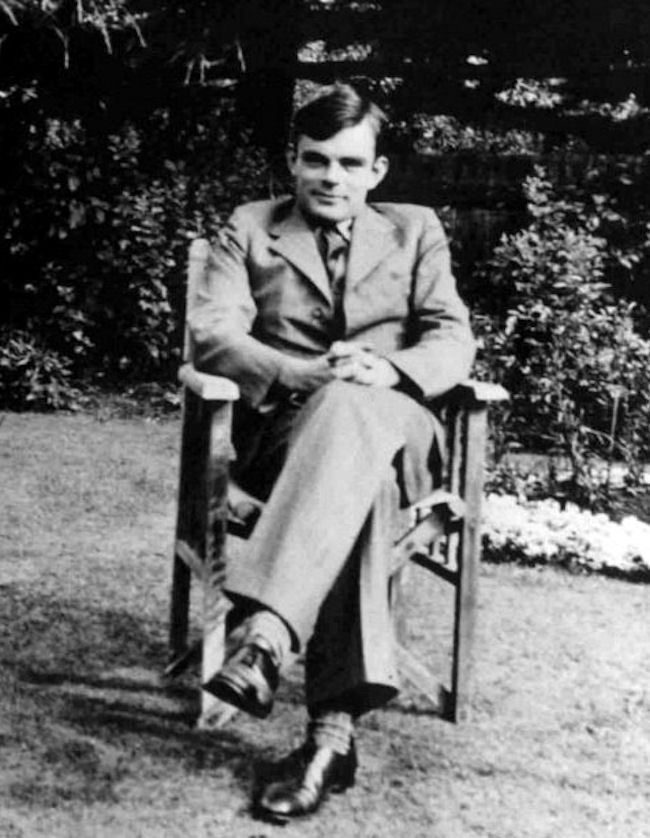
Alan Turing, 1930. Image Wikipedia
In what 2014 film did Benedict Cumberbatch portray Alan Turing?
The Imitation Game—Alan Turing, a brilliant mathematician, played a pivotal role in breaking the Enigma code during World War II. His work at Bletchley Park, alongside a team of cryptographers, significantly shortened the war and saved millions of lives. However, his life took a tragic turn after the war due to his homosexuality, leading to his conviction and chemical castration.
The answers to my earlier post are shown in bold below. I have included the question simply for your information.
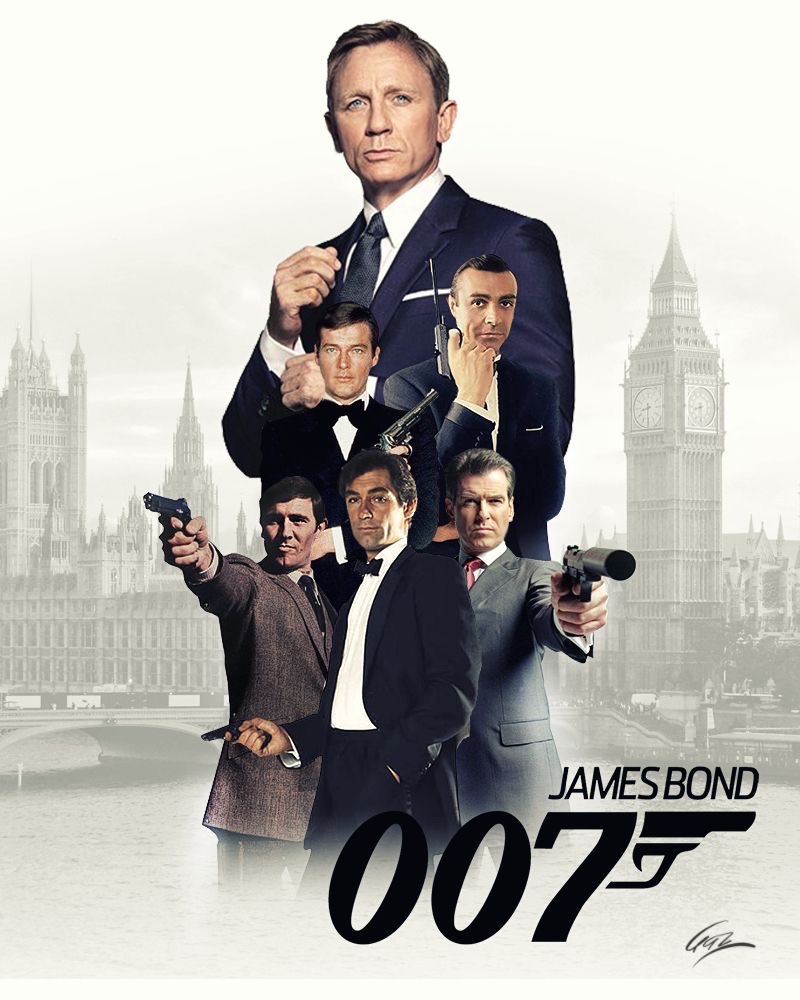
“The name is Bond, James Bond”. James Bond. Image Pinterest
James Bond was the hero of Kingsley Amis’s 1968 novel Colonel Sun, which was published under the pseudonym Robert Markham, true or false?
True—Colonel Sunby Kingsley Amis—the first published James Bond continuation novel—follows Bond as he rescues M from communist Chinese kidnappers, uncovering a plot to cause an international incident.
Is the following true or false: Captain Yossarian is a character in Jules Verne’s Around the World in Eighty Days?
False—he is from Joseph Heller’s Catch-22. Captain John Yossarian, the protagonist of Joseph Heller’s Catch-22, is a 28-year-old bombardier stationed on Pianosa during World War II. Yossarian’s exploits are based on Heller’s experiences as a bombardier in the Army Air Corps, with the name Yossarian derived from Heller’s wartime friend, Francis Yohannan.
Oliver Mowat was the gamekeeper in Lady Chatterley’s Lover, is this true or is it false?
False—Oliver Mellors was the name of the gamekeeper. D.H. Lawrence’s final novel, Lady Chatterley’s Lover, published privately in 1928 and 1929, is renowned for its explicit content and led to a landmark obscenity trial in the UK in 1960 after being banned in several countries. The story follows Constance Chatterley, a married woman whose husband is paralysed, as she embarks on an affair with the gamekeeper, Oliver Mellors. This relationship highlights the class disparity between them .
James Charles Bigglesworth is a fictional character created by author Captain W.E. Johns, true or false?
True—Biggles, as Bigglesworth is known, is a fictional pilot and adventurer, and the hero of the Biggles series of adventure books written by W.E. Johns. The series, spanning both world wars, includes nearly a hundred volumes and was edited over time to reflect changing norms.
It was a bright cold day in May, and the clocks were striking midday.
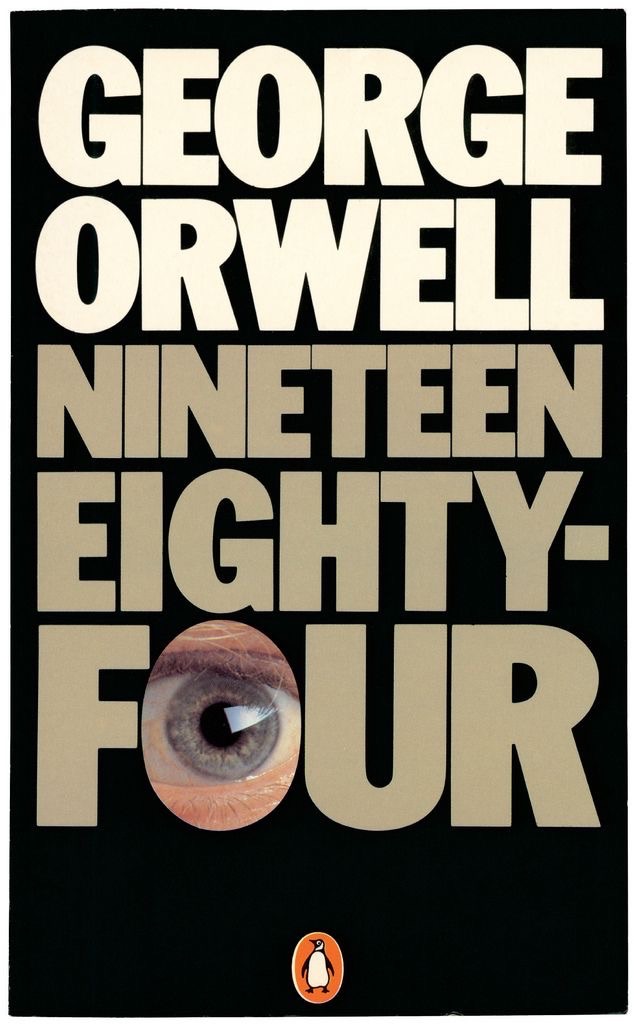
The above quote is the opening line of George Orwell’s Nineteen Eighty-four. Is this true or false?
False—The opening line of Nineteen Eighty-Four is shown in the quote below. Nineteen Eighty-Four is a dystopian novel by George Orwell, published in 1949. The story, set in a totalitarian future, follows Winston Smith, a Party member who rebels against the oppressive regime led by Big Brother. Through psychological manipulation and torture, Winston is ultimately forced to conform and love Big Brother.
It was a bright cold day in April, and the clocks were striking thirteen.
George Orwell’s Nineteen Eighty-four. Image Pinterest









 Quizology.Online
