Tag: art

  • Omnium Gatherum—Answers

    Here are the answers for the questions in my earlier post, Omnium Gatherum.

    Today we have five random questions with no connections or related dates.
    Olympic Rings in 2023.
    Image Wikimedia Commons

    One

    In sport, where were the Games of the XXX Olympiad held?

    Answer: London, United Kingdom

    The 2012 Summer Olympics, held in London, featured 10,518 athletes from 206 countries. The United States topped the medal table, while Michael Phelps became the most decorated Olympian. The Games were praised for their organisation and the opening ceremony, directed by Danny Boyle.


    Two

    For what film did James Cagney win the Best Actor Oscar in 1942?

    Answer: Yankee Doodle Dandy

    Yankee Doodle Dandy is a 1942 biographical musical drama film about George M. Cohan, starring James Cagney. The film was a major hit, winning three Academy Awards, and was later selected for preservation in the National Film Registry.


    Three

    In what country did the artist Pablo Picasso die?

    Answer: France

    Pablo Picasso, a Spanish artist, was a leading figure in 20th-century art. He co-founded the Cubist movement, invented constructed sculpture and collage, and explored various styles throughout his 76-year career. Picasso’s most famous works include Les Demoiselles d’Avignon and Guernica.


    Four

    What sporting organisation does the abbreviation WPBSA stand for?

    Answer: World Professional Billiards and Snooker Association

    The World Professional Billiards and Snooker Association (WPBSA), headquartered in Bristol, England, governs professional snooker and English billiards. It devises rules, promotes global development, enforces conduct regulations, combats corruption, and supports various related organisations.


    Five

    An 1831 novel’s major characters include the following: Claude Frollo — the Archdeacon; Pierre Gringoire — a struggling poet; Phoebus de Chateaupers — the Captain of the King’s Archers. What novel, and who was its author?

    Answer: The Hunchback of Notre-Dame (French title: Notre-Dame de Paris); Victor Hugo

    The Hunchback of Notre-Dame, a French Gothic novel by Victor Hugo, was published in 1831. The novel, set in 15th-century Paris, focusses on the story of Quasimodo, Esmeralda, and Claude Frollo. Hugo championed historical preservation, particularly of Gothic architecture, through this work.


    Omnium Gatherum

    The post title —

    Definition of omnium gatherum in English:

    omnium gatherum
    NOUN 

    A collection of miscellaneous people or things: 

    ‘an omnium gatherum of anecdotes’


    Origin

    Early 16th century: mock Latin, from Latin omnium ‘of all’ and gather + the Latin suffix –um.
    Oxford English Dictionary


  • Omnium Gatherum

    Today we have five random questions with no connections or related dates.

    Olympic Rings.
    Image Wikimedia Commons

    One

    In sport, where were the Games of the XXX Olympiad held?


    Two

    For what film did James Cagney win the Best Actor Oscar in 1942?


    Three

    In what country did the artist Pablo Picasso die?


    Four

    What sporting organisation does the abbreviation WPBSA stand for?


    Five

    An 1831 novel’s major characters include the following: Claude Frollo — the Archdeacon; Pierre Gringoire — a struggling poet; Phoebus de Chateaupers — the Captain of the King’s Archers. What novel, and who was its author?

    Good luck! I’ll post the answers later.


  • Matchmaker—Answers

    Here are the answers to the questions I posed in my earlier post.

    Today’s questions are all connected to December 23rd.

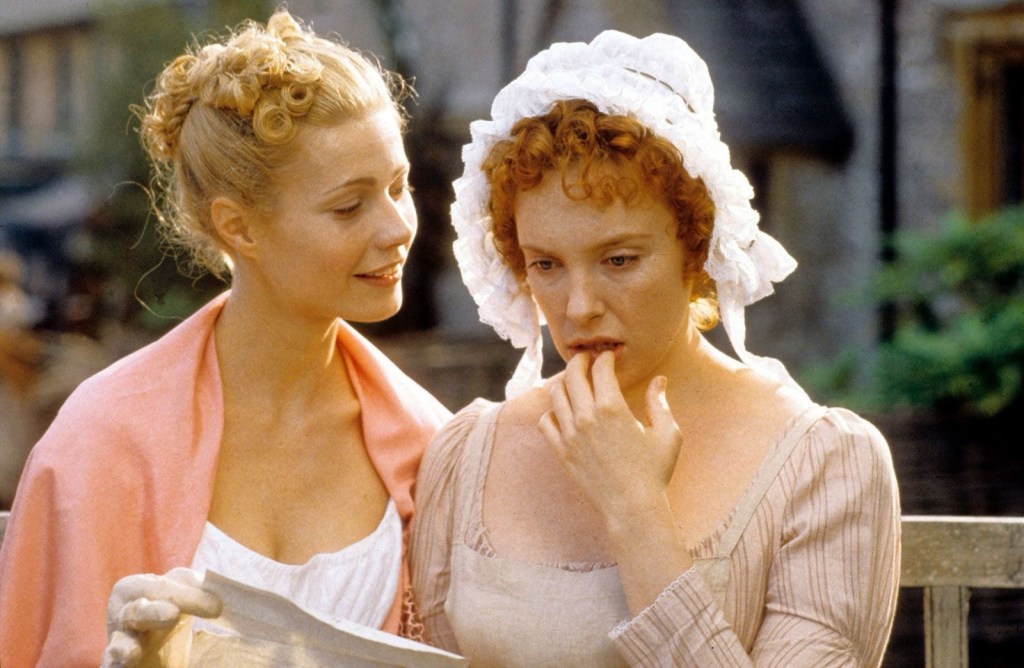
    Gwyneth Paltrow (left) and Toni Collette in Emma (1996).
    Image © 1996 Miramax Films via Encyclopædia Britannica

    One

    In 1815, Jane Austen published her fourth novel, which was later adapted into a film in 1996. What was the title of the book?

    Answer: Emma

    Jane Austen’s 1815 novel, Emma, follows the matchmaking misadventures of Emma Woodhouse in the fictional town of Highbury.


    Two

    Who, born in 1933, became the 125th emperor of Japan in 1989, and how did his reign end in 2019?

    Answer: Akihito; abdication

    Akihito, the 125th emperor of Japan, reigned from 1989 to 2019. He abdicated in favour of his son, Crown Prince Naruhito.


    Three

    In 1888, what two artists were involved in ‘the incident at the Yellow House’, and what injury happened to one of them?

    Answers: Vincent Van Gogh and Paul Gauguin; Van Gogh cut off part of his left ear

    Vincent van Gogh cut off part of his ear in 1888 after a heated argument with fellow artist Paul Gauguin. The incident, possibly linked to van Gogh’s mental health struggles, led to his hospitalisation and Gauguin’s departure from Arles.


    Four

    In 2001, which South American nation announced the suspension of payments on its external debt marking the largest debt default in history?

    Answer: Argentina

    Argentina’s economy experienced a severe recession from 1998 to 2002, culminating in a US$93 billion debt default in 2001. This led to a rapid devaluation of the peso, soaring inflation, and a significant drop in GDP.


    Five

    Joseph Smith, the founder of the Church of Jesus Christ of Latter-day Saints, was born in 1805. Which US state was his birthplace?

    Answer: Vermont

    Joseph Smith, founder of the Church of Jesus Christ of Latter-day Saints, translated golden plates into the Book of Mormon. His teachings, including revelations and polygamy, were recorded and published.

  • Utility ought to be the principal intention of every publication—Answers

    Here are the answers to the questions I posted earlier.

    All of these questions are related to today’s date, December 10th.

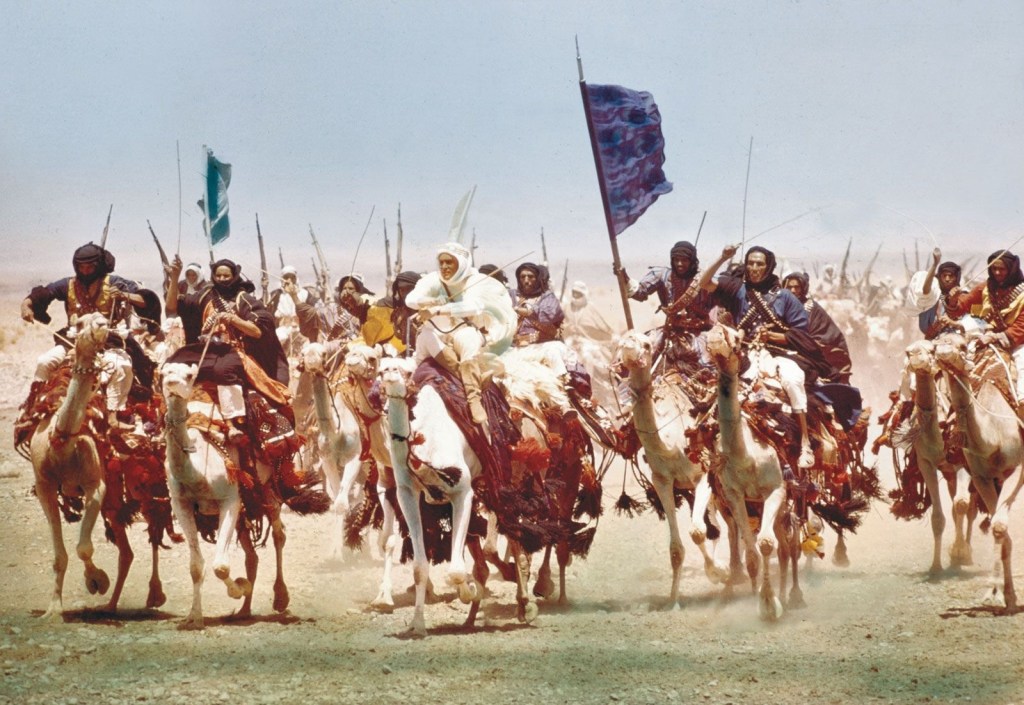
    Lawrence of Arabia (1962).
    Image Encyclopædia Britannica

    One

    In 1962, David Lean’s Lawrence of Arabia, which went on to became one of the most celebrated epics in the history of cinema, had its world premiere. Who starred as _ _ Lawrence, and what two initials are missing before his surname?

    Answer: Peter O’Toole (as) T.E. (Lawrence)

    Lawrence of Arabia is a 1962 British historical epic biographical adventure drama film directed by David Lean. It portrays Thomas Edward Lawrence’s experiences in the Ottoman provinces during World War I and his involvement in the Arab National Council. The film, which won seven Academy Awards including Best Picture and Best Director, is widely regarded as one of the greatest films ever made. It follows Lawrence’s journey from a military cartographer to a leader of the Arab Revolt against the Turks, and is renowned for its stunning desert landscapes, shot on location in Jordan, Spain and Morocco.


    Two

    Which government officially surrendered on this day in 1932 after a month-long battle against thousands of large flightless birds, and what were the birds?

    Answer: Australian; Emus

    The Emu War was a brief and unsuccessful 1932 military operation in Australia aimed at controlling the emu population, which was damaging crops in Western Australia. Three members of the Royal Australian Artillery were tasked with culling approximately 20,000 emus using machine guns, but the weapons and tactics were ineffective. Despite petitions from local farmers, the campaign, which lasted from November to December, resulted in fewer than 1,000 emus being killed and became a subject of national and international ridicule.


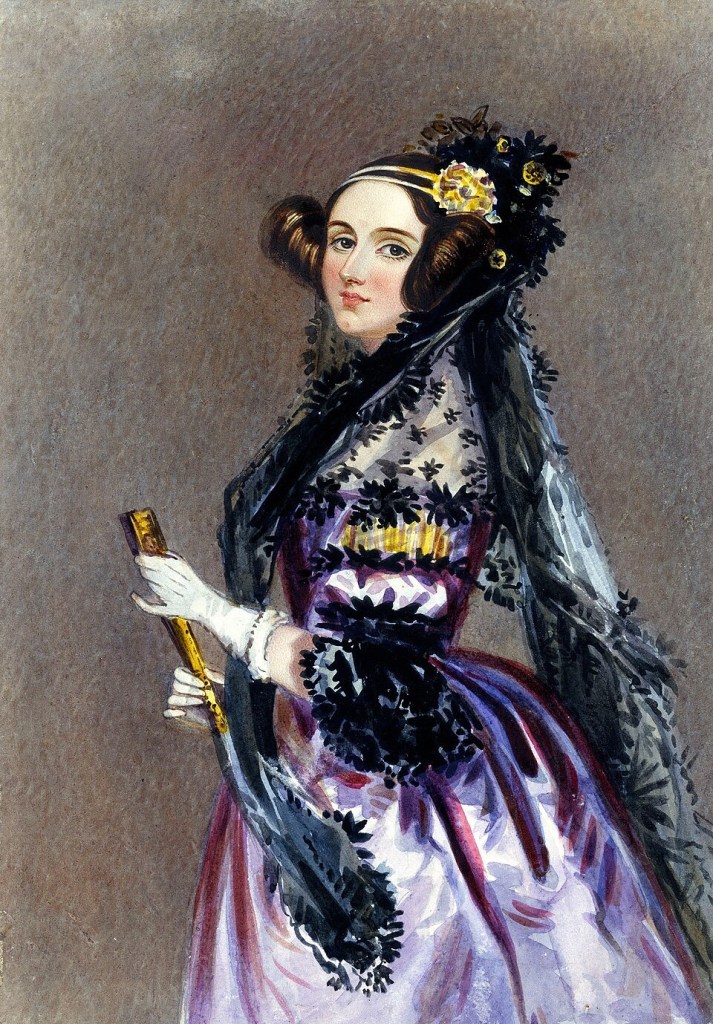
    Portrait of Ada, Countess of Lovelace (Ada Lovelace), c1840.
    Image Wikipedia

    Three

    Ada Lovelace, often regarded as the first computer programmer, was born in Marylebone, London. In which decade was she born, and who was her famous father?

    Answer: 1810s; Lord Byron

    Born in 1815, Ada Lovelace, the daughter of the poet Lord Byron, was an English mathematician and writer renowned for her work on Charles Babbage’s Analytical Engine. She recognised its potential beyond mere calculation and developed a vision of computers’ capabilities, leading to her being considered the first computer programmer. Her contributions are celebrated on Ada Lovelace Day.


    Four

    In 1948, the General Assembly of the United Nations adopted the Universal Declaration of Human Rights. Which former First Lady of the United States chaired the United Nations Commission on Human Rights that was responsible for the drafting of the document?

    Answer: Eleanor Roosevelt

    The Universal Declaration of Human Rights (UDHR), adopted by the UN General Assembly in 1948, is a foundational document of international human rights law. Drafted by a team including John Humphrey, Eleanor Roosevelt and René Cassin, it comprises 30 articles outlining civil, political, economic, social, and cultural rights. Although not legally binding, the UDHR has achieved significant moral authority and has influenced numerous international treaties and national constitutions.


    Five

    The first part of the first edition of the Encyclopædia Britannica, the English-language general encyclopaedia, was published and advertised for sale on this day. In what century and in what city did this occur?

    Answer: 18th century; Edinburgh,Scotland, United Kingdom

    The Encyclopædia Britannica, a general-knowledge English-language encyclopaedia, was first published in Edinburgh, Scotland, in 1768 by a group of Scottish gentlemen. Initially released in three volumes, it introduced a “new plan” by combining treatises on arts and sciences with short articles on technical terms, catering to both serious students and those seeking quick reference material. William Smellie, an Edinburgh printer, is credited with devising this plan and writing or compiling many of the articles. The encyclopaedia transitioned from print to digital in 2012 due to strong competition from digital encyclopaedias like Microsoft Encarta and Wikipedia, yet it maintained its reputation for authoritative and scholarly content and is now available exclusively online.


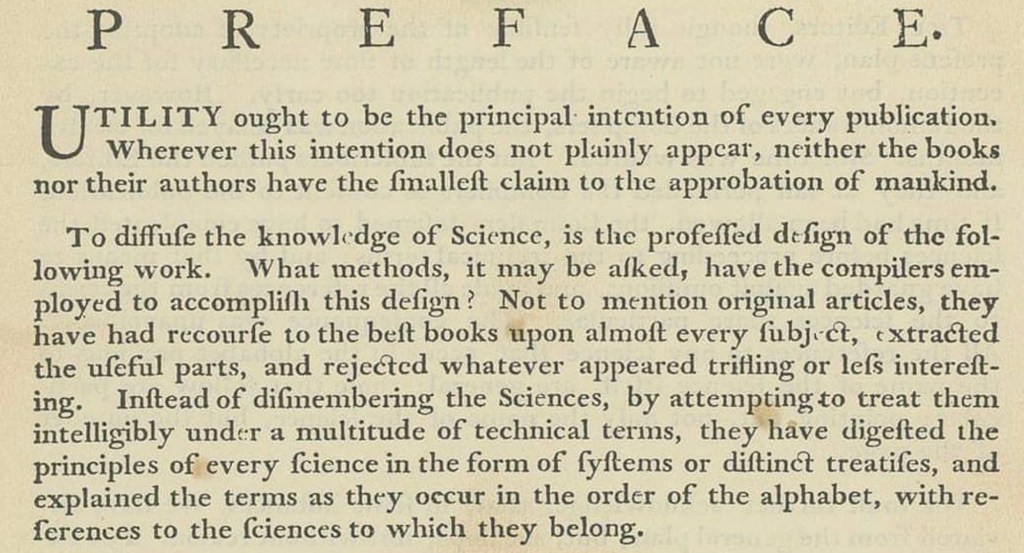
    Utility ought to be the principal intention of every publication.

    The title of today’s post is the first sentence of the preface to the first edition of Encyclopædia Britannica.

    “UTILITY ought to be the principal intention of every publication. Wherever this intention does not plainly appear, neither the books nor their authors have the smallest claim to the approbation of mankind”
    .
    So begins the preface to Britannica’s 1st edition, which began publication 250 years ago this month (on December 10, 1768). Encyclopædia Britannica via Instagram
  • Water Under the Bridge—Answers

    Here are the answers to the questions I posed in my earlier post.

    All of these questions relate to today’s date, November 21st.

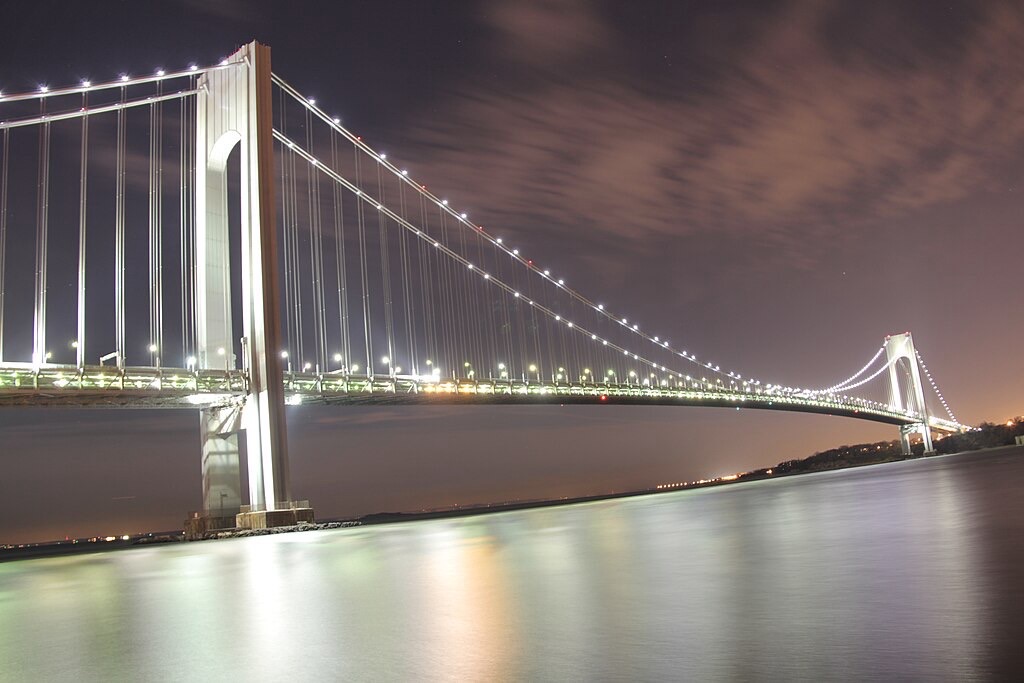
    Verrazano-Narrows Bridge from Brooklyn at night, 2012.
    Image Wikipedia

    One

    Which two boroughs of New York City were linked by the Verrazzano-Narrows Bridge, pictured above, upon its opening on 21 November 1964?

    Answer: Brooklyn and Staten Island

    The Verrazzano-Narrows Bridge, a suspension bridge connecting Staten Island and Brooklyn, spans the Narrows and carries 13 lanes of Interstate 278. Designed by Othmar Ammann and others, it opened in 1964 with a central span, 4,260 feet (1,298 m), that was the longest in the world until 1981. The bridge, named after explorer Giovanni da Verrazzano, collects tolls in both directions.


    Two

    The first crewed hot air balloon flight took place on this day in 1783 in a balloon constructed by the Montgolfier brothers. Which of contemporary Paris’s over 400 public parks was the site of this historic flight?

    Answer: Bois de Boulogne

    The first untethered manned balloon ascent occurred on 21 November 1783, when two Frenchmen Jean-François Pilâtre de Rozier and François Laurent, marquis d’Arlandes, travelling from the Château de la Muette across the Bois
    de Boulogne, Paris. The flight lasted 20 minutes in a hot air balloon designed and built by brothers Joseph-Michel and Jacques-Étienne Montgolfier. This historic event was witnessed by Louis XVI, the French Academy of Sciences, and the public, including Benjamin Franklin.


    Three

    On this date, Danish astronomer Ole Rømer presented the first quantitative measurements of the speed of light. Which century was this?

    Answer: 17th century

    In 1676, Danish astronomer Ole Rømer announced that an eclipse of Jupiter’s moon would occur ten minutes later than expected, a prediction based on his calculations of the speed of light. Despite this occurring as he predicted, there was initial scepticism from the Paris Académie des Sciences, including his patron, Cassini. Rømer’s claim was eventually confirmed by James Bradley’s discovery of the aberration of light in 1729.


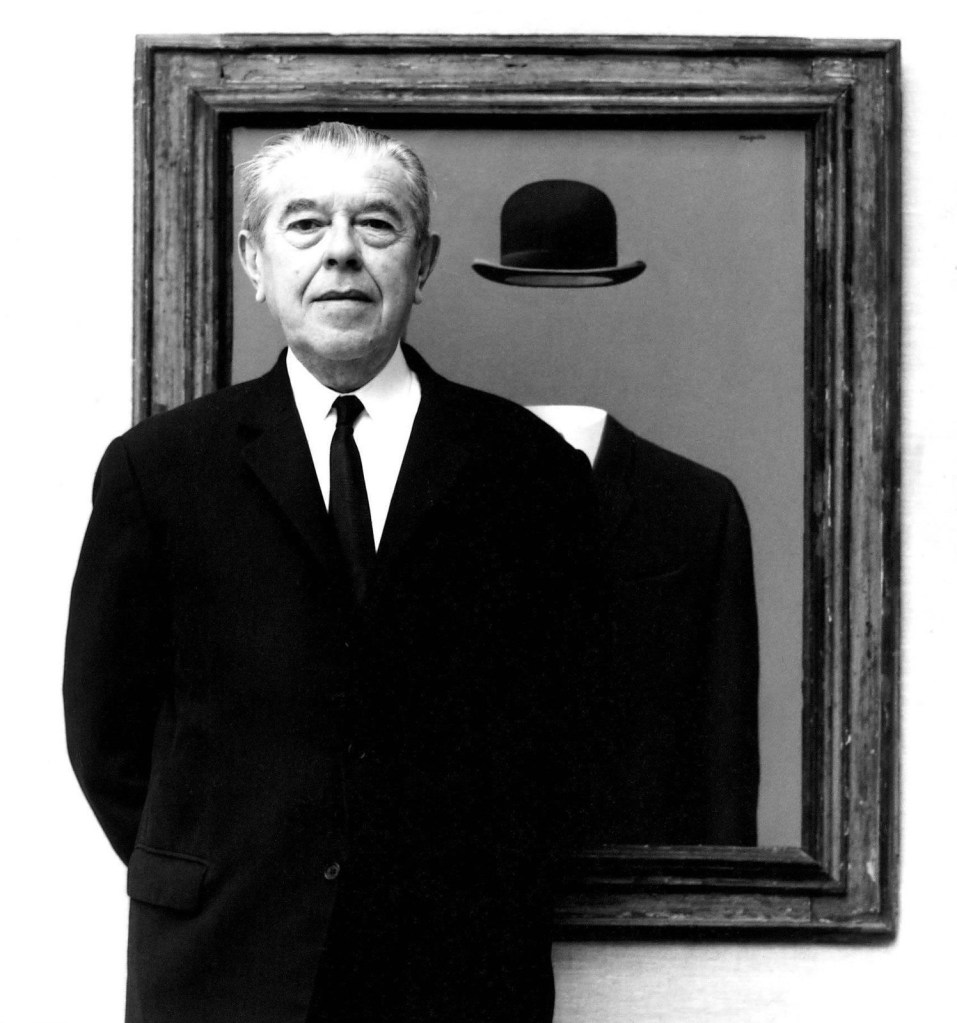
    René Magritte shown with one of his works featuring his recurring motif, a bowler hat.
    Image Encyclopædia Britannica

    Four

    Who is this Belgian artist, born on 21 November 1898 and pictured above with one of his works?

    Answer: René Magritte

    René Magritte (1898 – 15 August 1967) was a Belgian surrealist artist renowned for his bizarre and enigmatic paintings that depicted ordinary objects in unsettling, unexpected contexts, challenging perceptions of reality and representation. Influenced by Giorgio de Chirico, Magritte developed a unique style characterised by carefully rendered objects in dreamlike juxtapositions. His work gained international popularity in the 1930s and influenced pop art, minimalist art, and conceptual art, continuing until his death in 1967.


    Five

    Frankenstein, the classic horror film, was released in the US today in 1931. Who played the monster in this film?

    Answer: Boris Karloff

    Frankenstein is a 1931 American horror film directed by James Whale, based on Peggy Webling’s 1927 stage play adaptation of Mary Shelley’s novel. Starring Colin Clive and Boris Karloff, the film follows Dr. Frankenstein’s experiment to create life, resulting in tragic consequences. It was a commercial success, significantly impacting popular culture and spawning sequels and remakes, with its influence still felt today.

  • Today’s the Day—Answers

    Here are the answers to the questions about October 10th which were posted earlier.

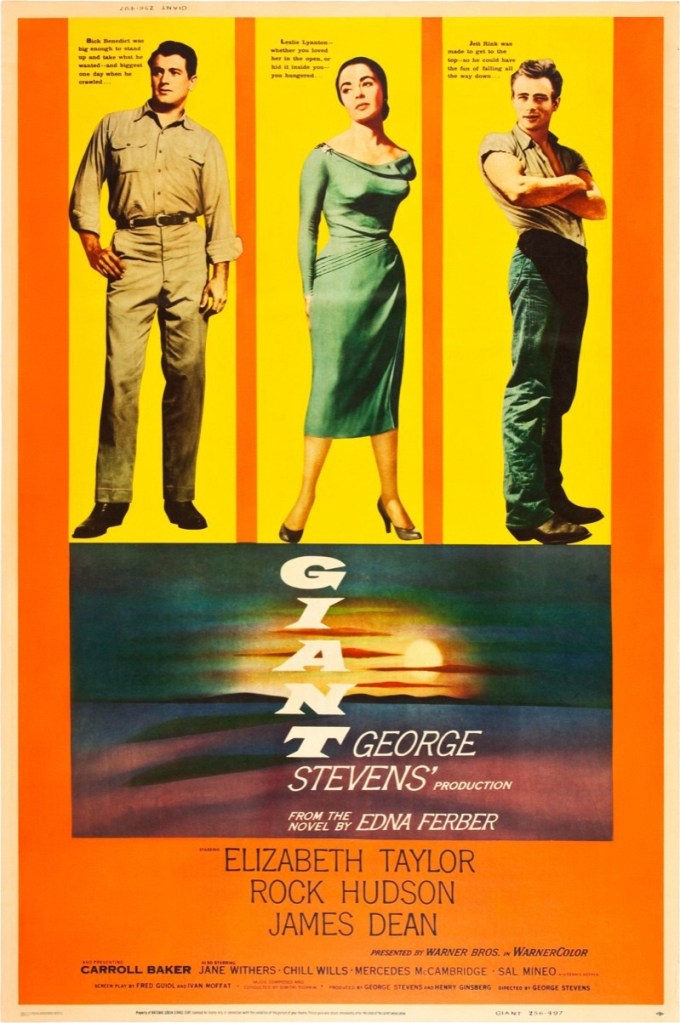
    Giant, film poster, 1956. Image Wikipedia

    One

    On this day in 1956, an American film premiered and became particularly notable as the final film featuring James Dean, who died in a car crash shortly after filming concluded. Which film was it?

    Answer: Giant

    James Dean, a 1950s Hollywood actor, became an influential figure despite a brief career. His three major films, Rebel Without a Cause, East of Eden, and Giant, are preserved in the National Film Registry.


    Two

    In 1969, the album In the Court of the … was released by a band which included Greg Lake. What words complete the album title and what was the band called?

    Answer: (In the Court of the) Crimson King and King Crimson

    King Crimson, an English progressive rock band formed in 1968, is known for its diverse musical influences and significant impact on the progressive rock movement. In the Court of the Crimson King, King Crimson’s debut album, is a pioneering work of progressive rock, blending rock with jazz, classical and symphonic music.


    Three

    In 1846, English astronomer William Lassell discovered Triton, a moon of which planet?

    Answer: Neptune

    William Lassell (18 June 1799 – 5 October 1880) was an English merchant and astronomer.  He’s best known for his improvements to the reflecting telescope which led to his discovery of four planetary satellites.


    Matt Monro, publicity picture for the single, Born Free, 1966.
    Image Wikipedia

    Four

    In 1963, the second film in the official James Bond franchise, From Russia with Love, premiered. Which Englishman sang the title song in the film?

    Answer: Matt Monro

    If I had to choose three of the finest male vocalists, Matt would be one of them.
    — Frank Sinatra

    Born on December 1, 1930, Terence Edward Parsons, known as Matt Monro on stage, was an English singer renowned as ’The Man with the Golden Voice’. The former London bus driver, performed internationally for 30 years and sold 23 million records. AllMusic called him ‘one of the most underrated pop vocalists of the ‘60s’, praising his ‘easiest, most perfect baritone’. Monro, a heavy smoker and drinker, died of liver cancer in 1985 after which ‘Frank Sinatra said of him, ‘If I had to choose three of the finest male vocalists, Matt would be one of them.’
    Monro’s recordings include UK top 10 hits Portrait of My Love, My Kind of Girl, Softly As I Leave You, Walk Away and a cover of the Beatles’ Yesterday. He also recorded film themes such as From Russia with Love, Born Free, and On Days Like These.


    Five

    In 1935, Porgy and Bess opened on Broadway. Who composed this opera?

    Answer: George Gershwin

    Porgy and Bess is an English-language opera by George Gershwin, based on a novel and play by DuBose and Dorothy Heyward. It premiered in 1935 and is now one of the most frequently performed operas, known for its story of Porgy’s attempts to rescue Bess from her violent lover and drug dealer.

  • Today’s the Day

    These five questions are about events that all happened on October 10th.

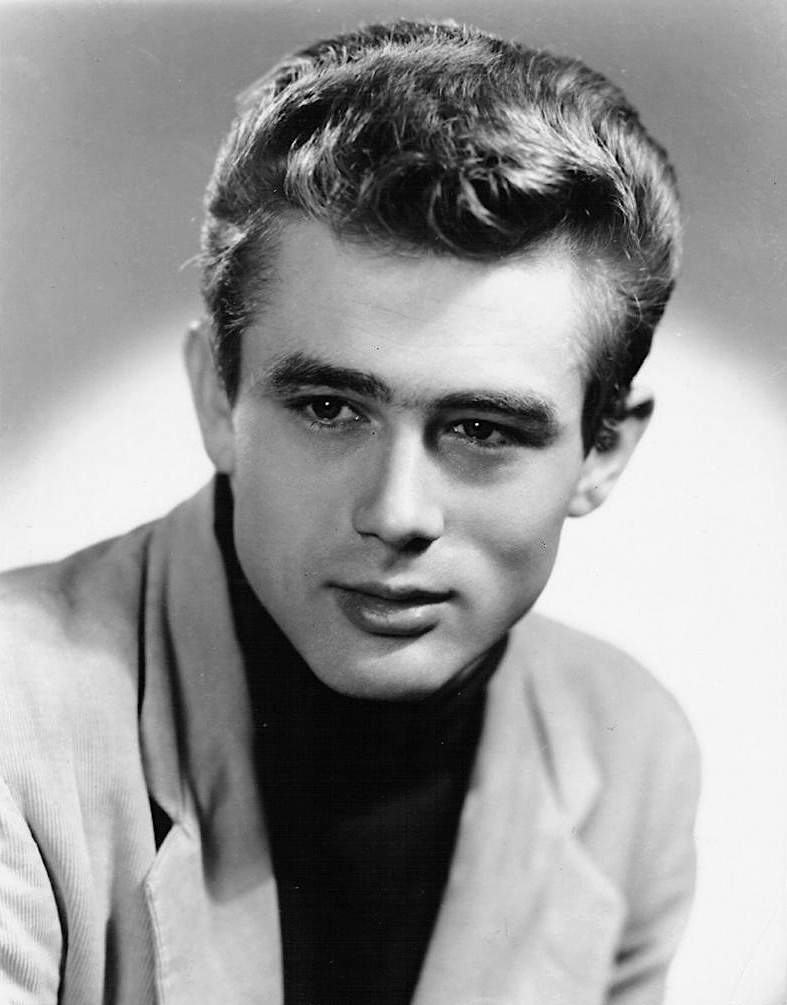
    James Dean, c. 1953.
    Image Wikipedia

    One

    On this day in 1956, an American film premiered and became particularly notable as the final film featuring James Dean, who died in a car crash shortly after filming concluded. Which film was it?

    Two

    In 1969, the album In the Court of the … was released by a band which included Greg Lake. What words complete the album title and what was the band called?

    Three

    In 1846, English astronomer William Lassell discovered Triton, a moon of which planet?

    Four

    In 1963, the second film in the official James Bond franchise, From Russia with Love, premiered. Which Englishman sang the title song in the film?

    Five

    In 1935, Porgy and Bess opened on Broadway. Who composed this opera?

    Good luck! I’ll post the answers later today.

  • Raising the Dead—Answers

    Here are the answers to my earlier questions.

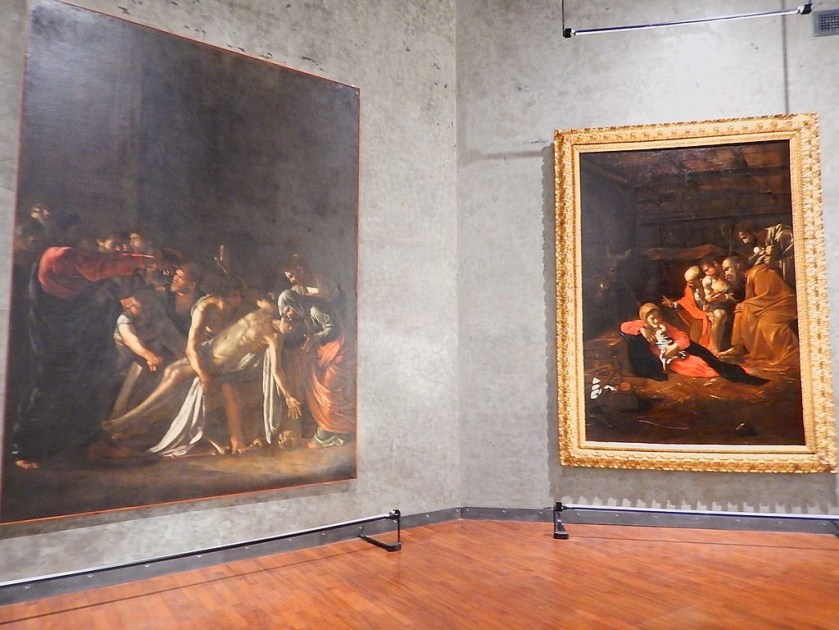
    The Raising of Lazarus and the Adoration of the Shepherds
    Regional Museum of Messina, Sicily, Italy
    Image Wikipedia

    One

    Answer: Caravaggio

    Michelangelo Merisi da Caravaggio, (known mononymously as Caravaggio) an Italian painter from the late 16th and early 17th centuries, gained fame for his realistic religious works.


    Two

    Answer: Scotland Yard

    Through the efforts of Robert Peel, England’s first professional police force, London’s Metropolitan Police (often called Scotland Yard), was founded; it became a model for future police departments in various other countries, including the United States.

    Encyclopædia Britannica


    Three

    Answer: Enrico Fermi

    Enrico Fermi, an Italian-born American scientist, was a pivotal figure in the nuclear age. He developed mathematical statistics for subatomic phenomena, explored neutron-induced nuclear transformations, and directed the first controlled nuclear fission chain reaction, earning the 1938 Nobel Prize for Physics. Fermi is best known for creating the first artificial nuclear reactor, Chicago Pile-1, and for his contributions to the Manhattan Project. His work spanned statistical mechanics, quantum theory, and nuclear and particle physics.


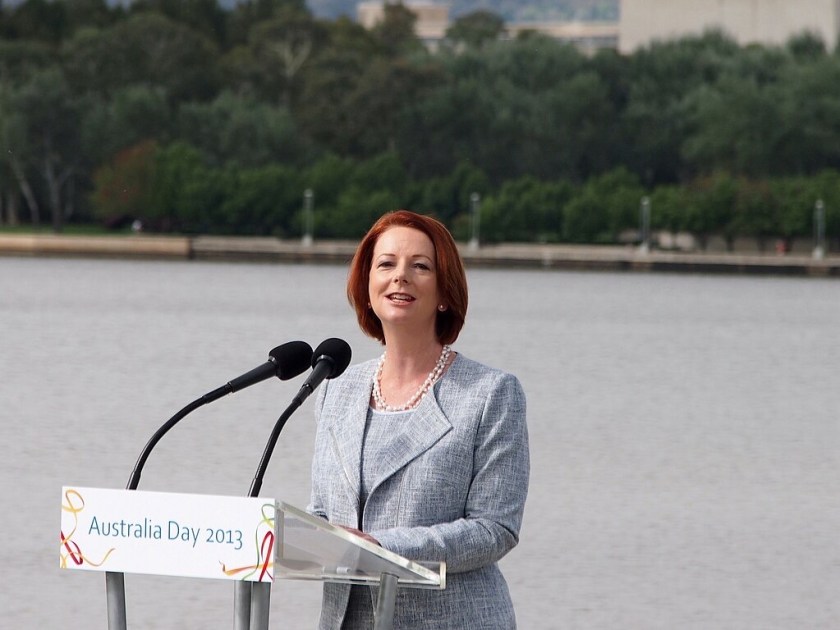
    Julia Gillard, Prime Minister of Australia.
    Image Wikipedia

    Four

    Answer: Julia Gillard

    Julia Gillard, born in Wales, served as Australia’s 27th prime minister. She was the first and, as of September 2025, the only woman to hold the position.


    Five

    Answer: 1988 and Discovery

    On January 28, 1986, the Challenger shuttle exploded shortly after liftoff, killing all seven astronauts including schoolteacher Christa McAuliffe. A presidential commission discovered a joint seal in a solid rocket booster had failed due to mechanical design flaws exacerbated by cold weather. Hot gases leaking from the joint ignited the shuttle’s external tank fuel leading to the devastating explosion. As a result, the shuttle fleet was grounded for necessary design corrections and administrative changes. On 29 September 1988, Discovery was the first shuttle to resume flights. Endeavour, a replacement orbiter, finally flew its first mission in 1992.

  • Raising the Dead

    Here are five questions related to today, September 29th.

    The Raising of Lazarus and the Adoration of the Shepherds
    Regional Museum of Messina, Sicily, Italy.
    Image Wikipedia

    One

    Which Italian artist born this day in 1571, painted the works above which are displayed in Sicily?

    Two

    In 1829 the Metropolitan Police was founded, by what name (two words the first contains eight letters) is the force, especially the Criminal Investigation Department, colloquially known?

    Three

    Born in Rome in 1901, who became an associate director of Manhattan Project in 1944?

    Four

    Who was the first woman to hold the office of Prime Minister of Australia?

    Five

    Following the Challenger disaster in January 1986 and the suspension of NASA’s space shuttle programme, it resumed on this day. In which year and with which shuttle did this happen?

    Good luck! I’ll post the answers later today.

  • Long to Reign Over Us—Answers

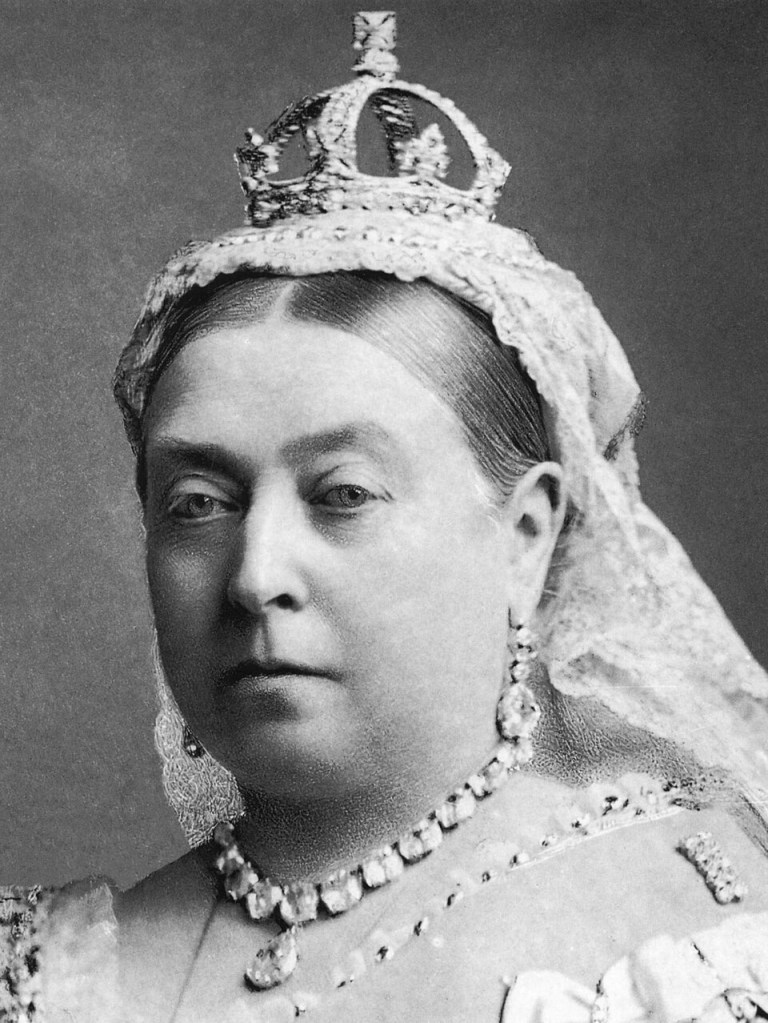
    Queen Victoria.
    Image Wikipedia

    One

    Answer: True

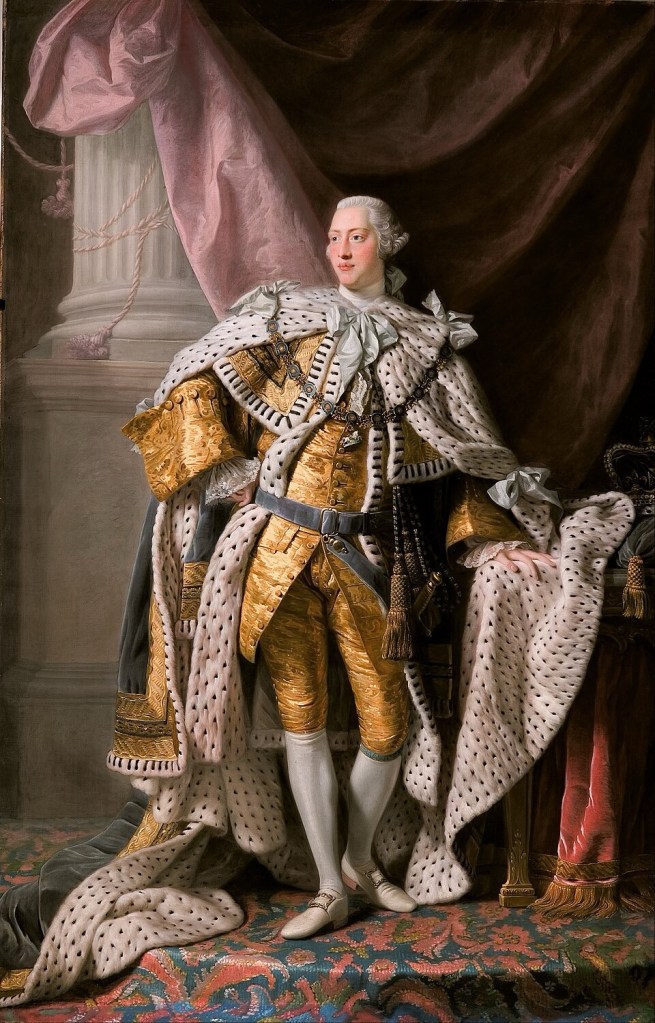
    Elizabeth II reigned for 70 years, 214 days, while Victoria reigned for 63 years, 216 days, and George III for 59 years, 96 days.

    George III.
    Image Wikipedia

    Two

    Answer: False

    The Great Herding, or El Gran Arreo, began in 1888 when five settlers, led by Henry Jamieson, moved thousands of sheep hundreds of kilometres to Santa Cruz, Argentina, to establish large sheep farms.


    Three

    Answer: True

    The siege of Leningrad, lasting two years, four months, and nineteen days from 1941 to 1944, was a devastating blockade by Germany and Finland. It is renowned as the most destructive siege in history. Although Leningrad was never captured, the intentional starvation of its civilians resulted in an estimated 1.5 million deaths.


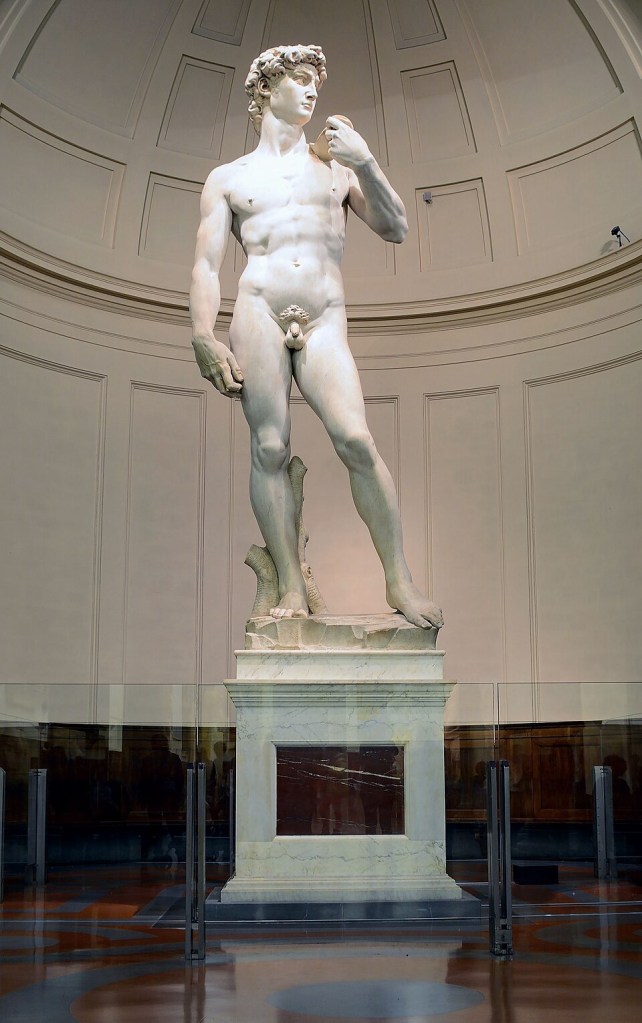
    Michelangelo’s David.
    Image Wikipedia

    Four

    Answer: False

    1644 and Milan are incorrect. Michelangelo’s 5.17-metre marble statue, David, was created between 1501 and 1504. On 8 September 1504, it was unveiled in Piazza della Signoria, Florence. Originally intended for Florence Cathedral, David became a symbol of civil liberties and was moved to the Galleria dell’Accademia in 1873.


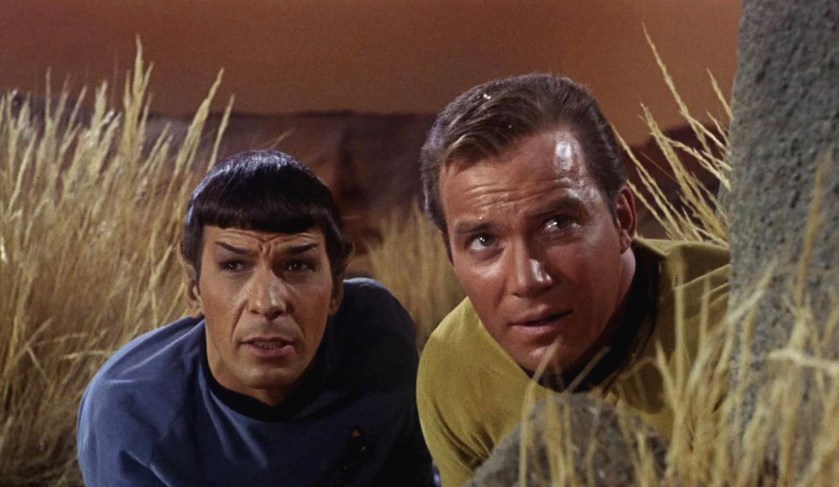
    The Man Trap (1966), Leonard Nimoy and William Shatner in Star Trek.
    Image IMDB

    Five

    Answer: False

    The Man Trap, the first episode of Star Trek had premiered on NBC some four years earlier on 8 September 1966. The Man Trap follows Captain Kirk and his crew as they visit an outpost and encounter a shapeshifting alien.