There is much pleasure to be gained from useless knowledge. (Bertrand Russell)
Author: Quizologist
As a retired trivia writer, editor and quiz compiler, I wholeheartedly agree with Bertrand Russell’s quote: “There’s much pleasure to be gained in useless knowledge.” Trivia of all sorts has always fascinated me, and for many years, I’ve written and compiled trivia for various media, including traditional TV and radio quiz shows, newspapers and magazines, apps, and other digital platforms.
In July 1985, Live Aid was held simultaneously at two venues on either side of the Atlantic. What were the venues?
Two
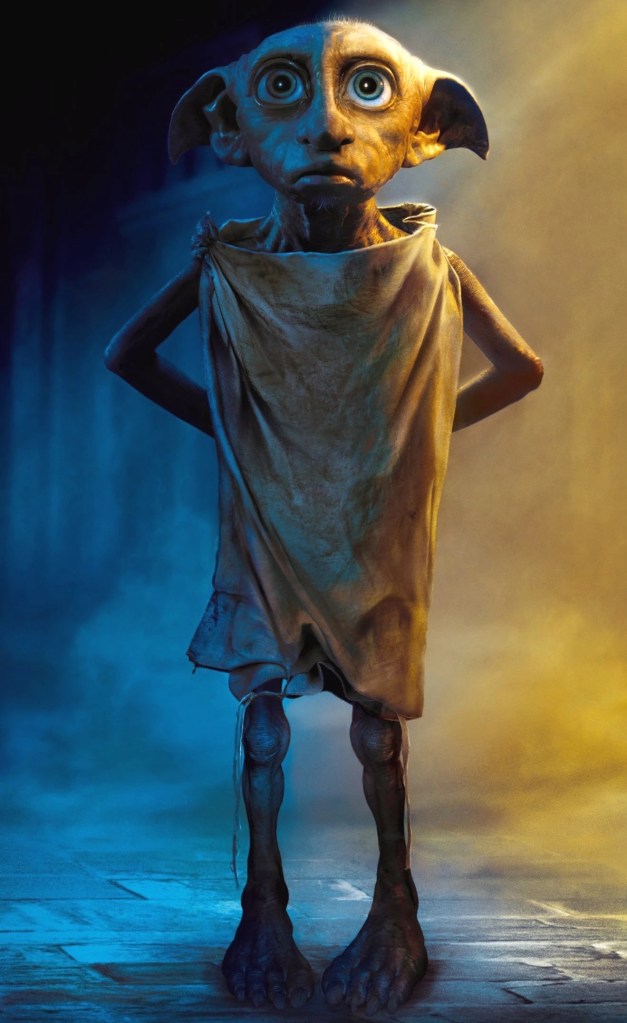
Dobby, the house-elf from Harry Potter, was in the news a couple of years ago when the National Trust asked fans not to leave memorabilia at the site of his grave at Freshwater West Beach, Pembrokeshire, Wales. What one item associated with Dobby and Harry Potter have fans been leaving?
Three
What creature, from Greek mythology, is being described here: ‘a creature with the head, arms, and torso of a man and the body and legs of a horse’?
Four
What song opens ‘We’re caught in a trap, I can’t walk out’?
Five
An African dictator who was in office as the President between January 1971 and April 1979 declared himself the uncrowned King of Scotland. Who was this dictator, and what country did he rule?
Here are the answers to my earlier post. According to the Oxford English Dictionary ‘gallimaufry’ originated: mid-16th century: from archaic French galimafrée ‘unappetizing dish’, perhaps from Old French galer ‘have fun’ + Picard mafrer ‘eat copious quantities’.
Today we have gallimaufry, ‘a confused jumble or medley of things’.
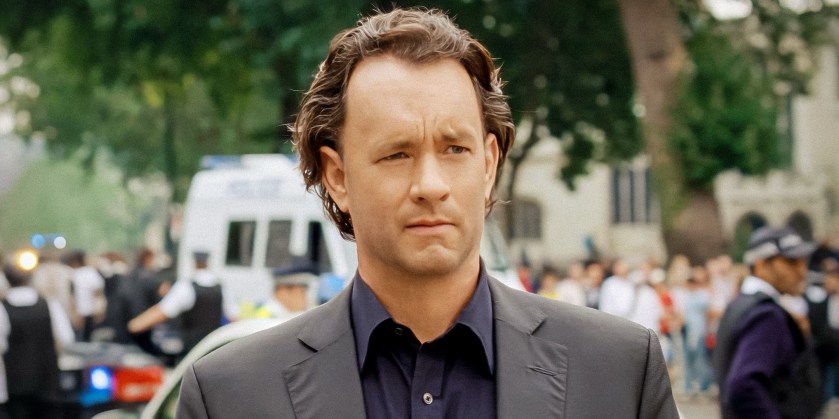
Robert Langdon, The Da Vinci Code. Image Screenrant
One
What ’S’ is a subject in which Professor Robert Langdon specialises at Harvard in the novel and film The Da Vinci Code?
Answer: Symbology
Langdon is Professor of Religious Iconology and Symbology at Harvard University. The Oxford English Dictionary defines symbology as ‘the study or use of symbols’ or ‘symbols collectively’.
Two
What ‘S’ is the town of Freddie Mercury’s birth?
Answer: Stone Town (in Zanzibar)
Freddie Mercury, born Farrokh Bulsara in Stone Town, in the British Protectorate of Zanzibar (now Tanzania) in 1946. He spent a large part of his childhood in India, where he attended St. Peter’s School and formed a band, the Hectics.
Three
What ‘W’ does an oenophile love?
Answer: Wine
Oenophile is defined as ‘a connoisseur of wines’. Its origins are from the mid-19th century: from Greek oinos ‘wine’ + -phile. Oxford English Dictionary.
Four
What ‘A’ is the name of the submarine commanded by Gene Hackman’s character in Crimson Tide?
Answer: Alabama (USS Alabama)
The film centres on a conflict between a submarine commander and his XO over a missile launch order, mirroring a Cuban Missile Crisis incident onboard the Soviet submarine B-59.
Five
‘G’ was the first initial of the author of The Canterbury Tales. What are this writer’s first and last names?
Answer: Geoffrey Chaucer
Geoffrey Chaucer, an English poet and writer, is best known for The Canterbury Tales and is considered the ‘father of English literature.’ The Canterbury Tales, an anthology of twenty-four stories written by Chaucer between 1387 and 1400, are widely regarded as his magnum opus and a paramount work of English literature. The tales, presented as part of a fictional storytelling contest, are incomplete, with Chaucer’s intention being to write four stories from the perspective of each of the 30 pilgrims.
The post title is from the epigraph in Tam o’ Shanter.
Here are the answers to the questions I posted earlier.
Today’s questions begin with a person born on this day and continue in a theme from there.
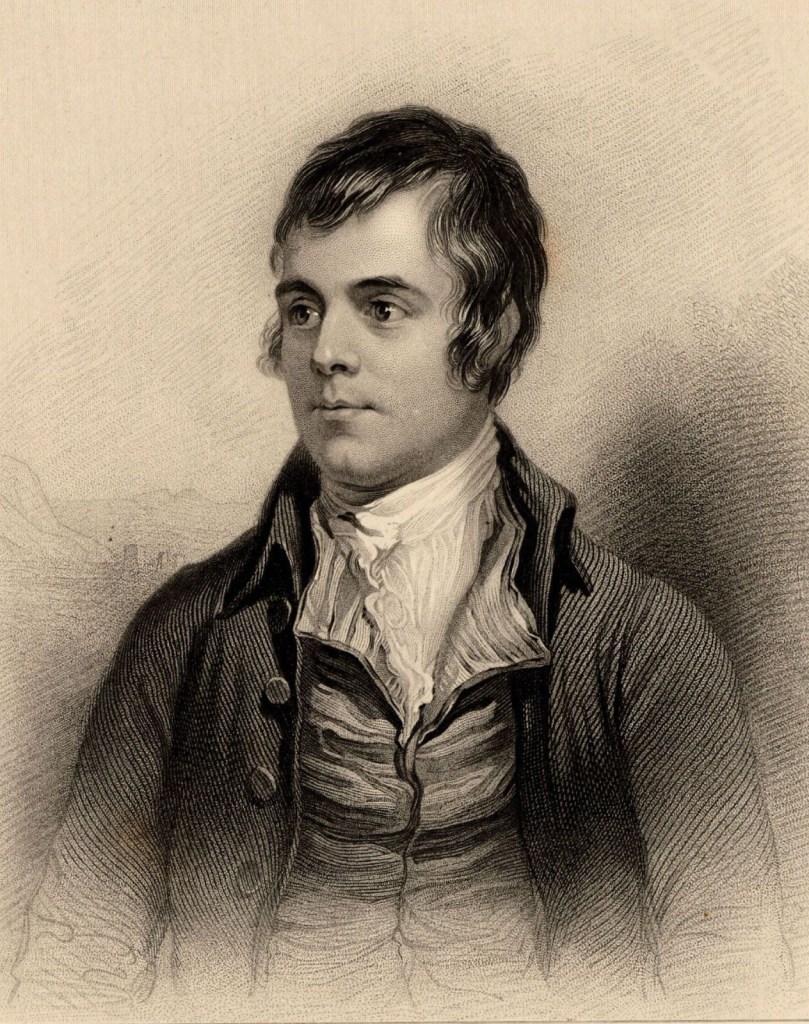
Robert Burns, engraving from A Biographical Dictionary of Eminent Scotsmen, 1870. Image Encyclopædia Britannica
One
Robert Burns, the national poet of Scotland, was born in Alloway, Ayrshire on this day. In what century did he life?
Answer: 18th century
Robert Burns, Scotland’s national poet, was born in 1759 to a struggling farmer. Witnessing his father’s hardships fuelled Burns’ rebellion against the social order and his satirical writing. He received some formal education and was influenced by 18th-century English writers, Scottish folk songs, and his own experiences. He died in 1796.
Two
The title character in a Robert Burns narrative poem had a horse, Maggie, which was left without a tail — ‘And left poor Maggie scarce a stump’ — who was this title character?
Answer: Tam o’ Shanter
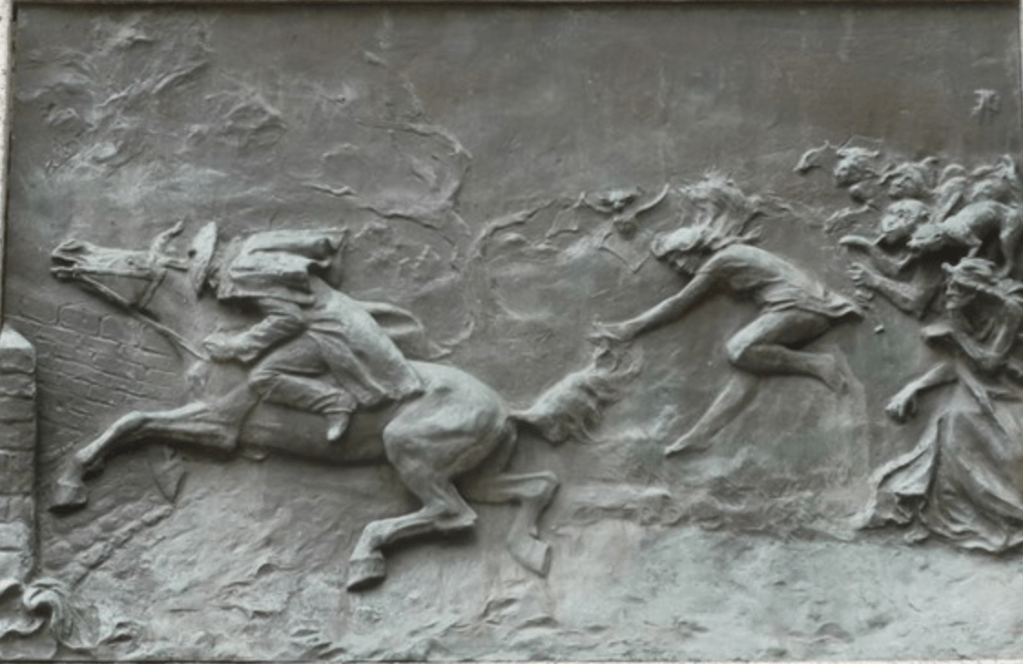
Tam o’ Shanter by Robert Burns tells of Tam, who, after a long drinking session, rides home late at night and encounters witches and the Devil dancing in a haunted church. His drunken curiosity nearly kills him, and he escapes only by fleeing across a river, losing his horse’s tail.
Three
In The Catcher in the Rye, Holden Caulfield bases his fantasy of being a ‘catcher in the rye’ on a misheard line from a song. What song?
Answer: Comin’ Thro’ the Rye
Holden mishears the lyric ‘If a body meet a body coming through the rye’ as ‘If a body catch a body coming through the rye’, and the mishearing symbolises his desire to protect the innocence of children by saving them from the loss of childhood and the corruption of the adult world.
Four
Where did Robert Burns die in 1796, and where is he buried?
Answer: Dumfries
Living in Dumfries, Robert Burns died aged 37, possibly due to a rheumatic heart condition and a bacterial infection, and was initially buried in St. Michael’s Churchyard before being moved to the Burns Mausoleum in the same churchyard. His son, Maxwell, was born on the day of his funeral. In 1834, his widow, Jean Armour, was buried beside him.
Five
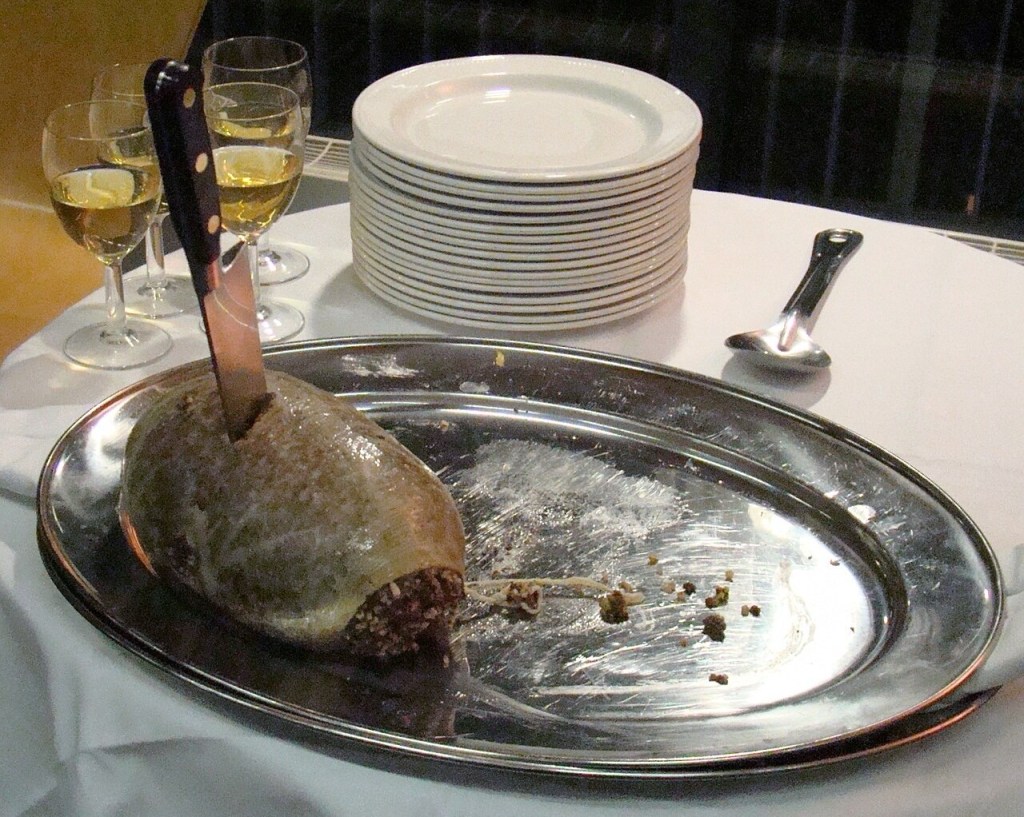
What item was Burns describing with these words?
Fair fa’ your honest, sonsie face, Great Chieftain o’ the Puddin-race!
The quote in the question is from Burns’s Address to a Haggis (1786) and might be translated from Scots into English as ‘Good luck to your honest, cheerful face, / Great leader of the sausage race!’. Address to a Haggis is described by Burns Country as —
A humorous and celebratory poem by Robert Burns, addressed to a haggis, a traditional Scottish dish made of sheep’s stomach. The poem praises the haggis as a symbol of Scottish identity and culture, and contrasts it with the French cuisine of the elite.
The full text of Address to a Haggis is shown below.
‘His knife see Rustic-labour dight, An’ cut ye up wi’ ready slight, Trenching your gushing entrails bright, Like onie ditch; And then, O what a glorious sight, Warm-reekin, rich!’ Image Wikimedia Commons Verse Scottish Poetry Library
Address to a Haggis (1786)
Fair fa’ your honest, sonsie face, Great Chieftain o’ the Puddin-race! Aboon them a’ ye tak your place, Painch, tripe, or thairm: Weel are ye wordy of a grace As lang ‘s my arm.
The groaning trencher there ye fill, Your hurdies like a distant hill, Your pin wad help to mend a mill In time o’ need, While thro’ your pores the dews distil Like amber bead.
His knife see Rustic-labour dight, An’ cut ye up wi’ ready slight, Trenching your gushing entrails bright, Like onie ditch; And then, O what a glorious sight, Warm-reekin, rich!
Then, horn for horn, they stretch an’ strive: Deil tak the hindmost, on they drive, Till a’ their weel-swall’d kytes belyve Are bent like drums; Then auld Guidman, maist like to rive, Bethankit hums.
Is there that owre his French ragout, Or olio that wad staw a sow, Or fricassee wad mak her spew Wi’ perfect sconner, Looks down wi’ sneering, scornfu’ view On sic a dinner?
Poor devil! see him owre his trash, As feckless as a wither’d rash, His spindle shank a guid whip-lash, His nieve a nit; Thro’ bluidy flood or field to dash, O how unfit!
But mark the Rustic, haggis-fed, The trembling earth resounds his tread, Clap in his walie nieve a blade, He’ll make it whissle; An’ legs, an’ arms, an’ heads will sned, Like taps o’ thrissle.
Ye Pow’rs wha mak mankind your care, And dish them out their bill o’ fare, Auld Scotland wants nae skinking ware That jaups in luggies; But, if ye wish her gratefu’ prayer, Gie her a Haggis!
Today’s questions begin with a person born on this day and continue in a theme from there.
See question two. Robert Burns Statue, Halifax, Nova Scotia, Canada. Image Wikimedia Commons
One
Robert Burns, the national poet of Scotland, was born in Alloway, Ayrshire on this day. In what century did he life?
Two
The title character in a Robert Burns narrative poem had a horse, Maggie, which was left without a tail — ‘And left poor Maggie scarce a stump’ — who was this title character?
Three
In The Catcher in the Rye, Holden Caulfield bases his fantasy of being a ‘catcher in the rye’ on a misheard line from a song. What song?
Four
Where did Robert Burns die in 1796, and where is he buried?
Five
What item was Burns describing with these words?
Fair fa’ your honest, sonsie face, Great Chieftain o’ the Puddin-race!
In sport, where were the Games of the XXX Olympiad held?
Answer: London, United Kingdom
The 2012 Summer Olympics, held in London, featured 10,518 athletes from 206 countries. The United States topped the medal table, while Michael Phelps became the most decorated Olympian. The Games were praised for their organisation and the opening ceremony, directed by Danny Boyle.
Two
For what film did James Cagney win the Best Actor Oscar in 1942?
Answer: Yankee Doodle Dandy
Yankee Doodle Dandy is a 1942 biographical musical drama film about George M. Cohan, starring James Cagney. The film was a major hit, winning three Academy Awards, and was later selected for preservation in the National Film Registry.
Three
In what country did the artist Pablo Picasso die?
Answer: France
Pablo Picasso, a Spanish artist, was a leading figure in 20th-century art. He co-founded the Cubist movement, invented constructed sculpture and collage, and explored various styles throughout his 76-year career. Picasso’s most famous works include Les Demoiselles d’Avignon and Guernica.
Four
What sporting organisation does the abbreviation WPBSA stand for?
Answer: World Professional Billiards and Snooker Association
The World Professional Billiards and Snooker Association (WPBSA), headquartered in Bristol, England, governs professional snooker and English billiards. It devises rules, promotes global development, enforces conduct regulations, combats corruption, and supports various related organisations.
Five
An 1831 novel’s major characters include the following: Claude Frollo — the Archdeacon; Pierre Gringoire — a struggling poet; Phoebus de Chateaupers — the Captain of the King’s Archers. What novel, and who was its author?
Answer: The Hunchback of Notre-Dame (French title: Notre-Dame de Paris); Victor Hugo
The Hunchback of Notre-Dame, a French Gothic novel by Victor Hugo, was published in 1831. The novel, set in 15th-century Paris, focusses on the story of Quasimodo, Esmeralda, and Claude Frollo. Hugo championed historical preservation, particularly of Gothic architecture, through this work.
Omnium Gatherum
The post title —
Definition of omnium gatherum in English:
omnium gatherum NOUN
A collection of miscellaneous people or things:
‘an omnium gatherum of anecdotes’
Origin
Early 16th century: mock Latin, from Latin omnium ‘of all’ and gather + the Latin suffix –um.
In sport, where were the Games of the XXX Olympiad held?
Two
For what film did James Cagney win the Best Actor Oscar in 1942?
Three
In what country did the artist Pablo Picasso die?
Four
What sporting organisation does the abbreviation WPBSA stand for?
Five
An 1831 novel’s major characters include the following: Claude Frollo — the Archdeacon; Pierre Gringoire — a struggling poet; Phoebus de Chateaupers — the Captain of the King’s Archers. What novel, and who was its author?
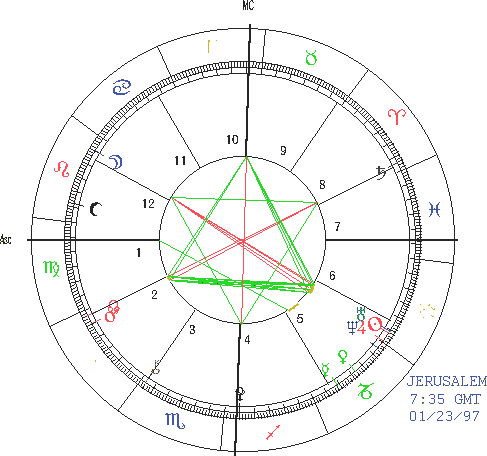
Some astrologers believed that a 1997 planetary alignment with the Sun and Moon, which had not occurred since 1475, indicated the beginning of a new age. What age?
In 1229, Pope Gregory IX first mentioned the town of Aboa in his bull; Aboa is the Latin name of Turku. This date is increasingly considered the founding of Turku. In what modern country is Turku?
Answer: Finland
Turku, Finland’s oldest city, is the regional capital of Southwest Finland. With a population of approximately 207,000, it is the country’s third-most populous urban area. Turku, a bilingual municipality, is a significant business and cultural centre, known for its rich history, vibrant food scene, and as a major port city.
Three
In 1957, American inventor Walter Frederick Morrison sold the rights to his disc to the Wham-O toy company. What did they later rename it?
Answer: Frisbee
A frisbee, also known as a flying disc, is a gliding toy used for recreational and competitive throwing and catching. It is typically made of plastic and has a pronounced lip, allowing it to fly with reduced drag and increased lift.
Four
In 1998, which corporation announced the creation of Mozilla, a free software community?
Answer: Netscape Communications Corporation
Netscape announced its Communicator browser software would be free and open-source in 1998, leading to the creation of the Mozilla project. Initially a technology provider, Mozilla later focused on developing independent applications like Firefox and Thunderbird, and expanded into mobile platforms and other projects.
Five
In 1977, the television miniseries Roots debuted in the United States. The series was an adaptation of whose best-selling novel, and what was that novel’s full title?
Answer: Alex Haley
Roots is a 1977 American television miniseries based on Alex Haley’s novel, Roots: The Saga of an American Family. The series, which aired on ABC, received critical acclaim and numerous awards, including nine Primetime Emmy Awards. It was followed by a sequel, Roots: The Next Generations, and a remake commissioned by the History Channel in 2016.
Some astrologers believed that a 1997 planetary alignment with the Sun and Moon, which had not occurred since 1475, indicated the beginning of a new age. What age?
Two
In 1229, Pope Gregory IX first mentioned the town of Aboa in his bull; Aboa is the Latin name of Turku. This date is increasingly considered the founding of Turku. In what modern country is Turku?
Three
In 1957, American inventor Walter Frederick Morrison sold the rights to his disc to the Wham-O toy company. What did they later rename it?
Four
In 1998, which corporation announced the creation of Mozilla, a free software community?
Five
In 1977, the television miniseries Roots debuted in the United States. The series was an adaptation of whose best-selling novel, and what was that novel’s full title?
Truth is always strange, stranger than fiction. Image Quoteslyfe
Here are the answers to the questions I posted earlier.
Today’s questions not only relate to January 22nd, they are also all about quotes. The first two questions are multiple choice, while the remainder are not.
One
Today’s post title is ‘Truth is always strange, stranger than fiction’. The person, born today in 1788, who originated this saying, was whom?
Lord Byron
Mark Twain
Rudyard Kipling
Answer: Lord Byron (George Gordon Byron)
‘T is strange,—but true; for Truth is always strange—
Stranger than fiction: if it could be told,
How much would novels gain by the exchange!
— Lord Byron: Don Juan (1819)
Mark Twain is also associated with this phrase, but it was originated by Byron.
Two
Which science fiction author wrote ‘How does one hate a country, or love one?’?
Isaac Asimov
Philip K. Dick
Ursula K. Le Guin
Answer: Ursula K. Le Guin
How does one hate a country, or love one? Tibe talks about it; I lack the trick of it. I know people, I know towns, farms, hills and rivers and rocks, I know how the sun at sunset in autumn falls on the side of a certain plowland in the hills; but what is the sense of giving a boundary to all that, of giving it a name and ceasing to love where the name ceases to apply? What is love of one’s country; is it hate of one’s uncountry? Then it’s not a good thing. Is it simply self-love? That’s a good thing, but one mustn’t make a virtue of it, or a profession… Insofar as I love life, I love the hills of the Domain of Estre, but that sort of love does not have a boundary-line of hate. And beyond that, I am ignorant, I hope.
On this day in 2004, Wikiquote had this as its Quote of the Day: ‘I love deadlines. I like the whooshing sound they make as they fly by.’ Whose words are being quoted?
Answer: Douglas Adams
Douglas Adams, English author and humourist, created The Hitchhiker’s Guide to the Galaxy, a radio comedy that became a successful book series and was adapted into various media. He also wrote Dirk Gently’s Holistic Detective Agency, The Long Dark Tea-Time of the Soul, and contributed to Doctor Who and Monty Python’s Flying Circus.
Four
What king, who had previously said, ‘I don’t mind praying to the Eternal Father, but I must be the only man in the country afflicted with an eternal mother,’ ascended the British throne on this day in 1901, and who was his mother?
Answer: King Edward VII; Queen Victoria
The quote was a joke referring to his mother’s famously long reign of almost 64 years. Queen Victoria died in 1901, and Edward succeeded to the throne at the age of sixty.
Five
A 1960 song which was written by a singer-songwriter born today in 1931 includes these lines: ‘All day long they work so hard / Till the sun is goin’ down.’ Who is the singer-songwriter and what is the song?
Answer: Sam Cooke; Chain Gang
All day long they work so hard Till the sun is goin’ down. Working on the highways and byways And wearing, wearing a frown. You hear them moanin’ their lives away. Then you hear somebody say: “That’s the sound of the men working on the chain gang. That’s the sound of the men working on the chain gang.”


 Quizology Online