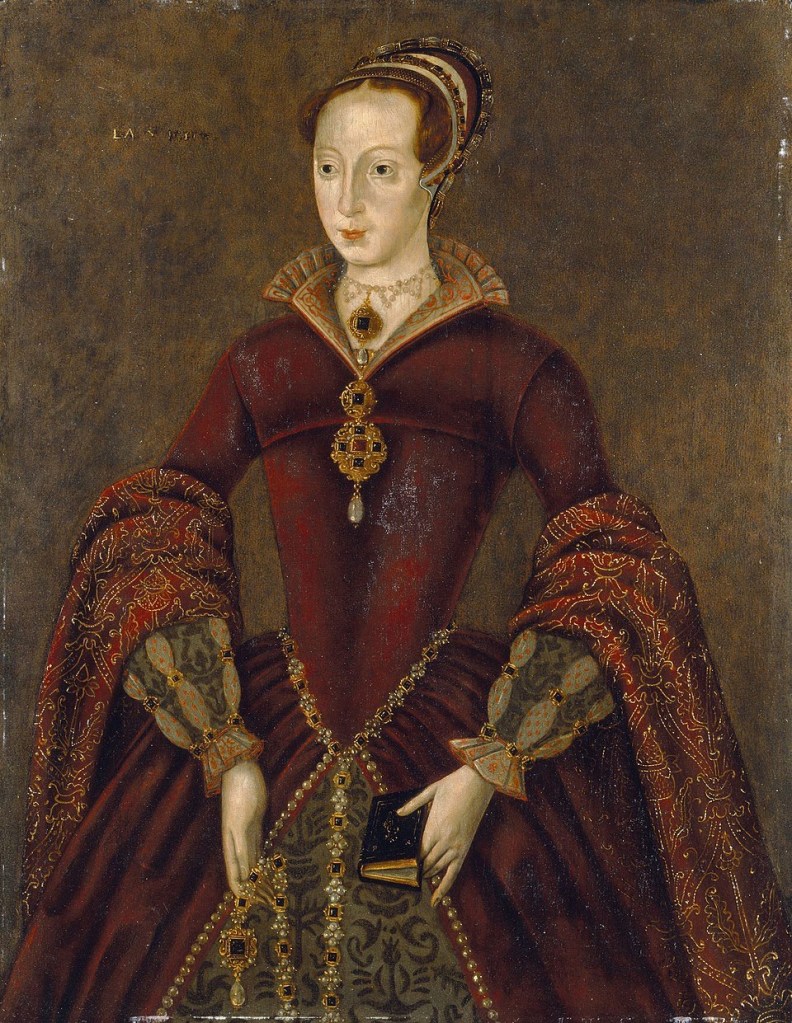
Lady Jane Grey, Queen of England for just nine days in 1553, was executed on 12 February 1554. Who was her predecessor, and who succeeded her as monarch?
Question two. Image Wikimedia Commons
Two
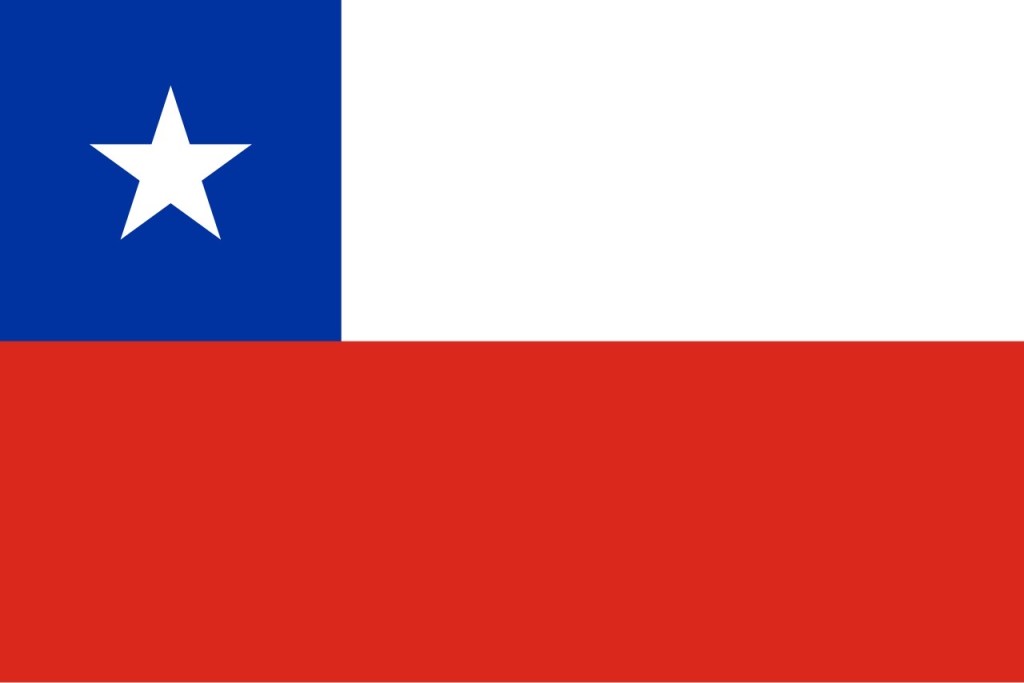
In 2019, the country represented by this flag changed its name. What did the country’s name change from and to?
Three
Emperor Puyi abdicated in 1912 becoming the last emperor of which country?
Question four. Image Wikimedia Commons
Four
On this date in 1818, the country whose flag this is declared independence. Which country achieved independence and from whom?
Five
Future US president Abraham Lincoln was born on this day. In what US state, and in what decade, was he born?
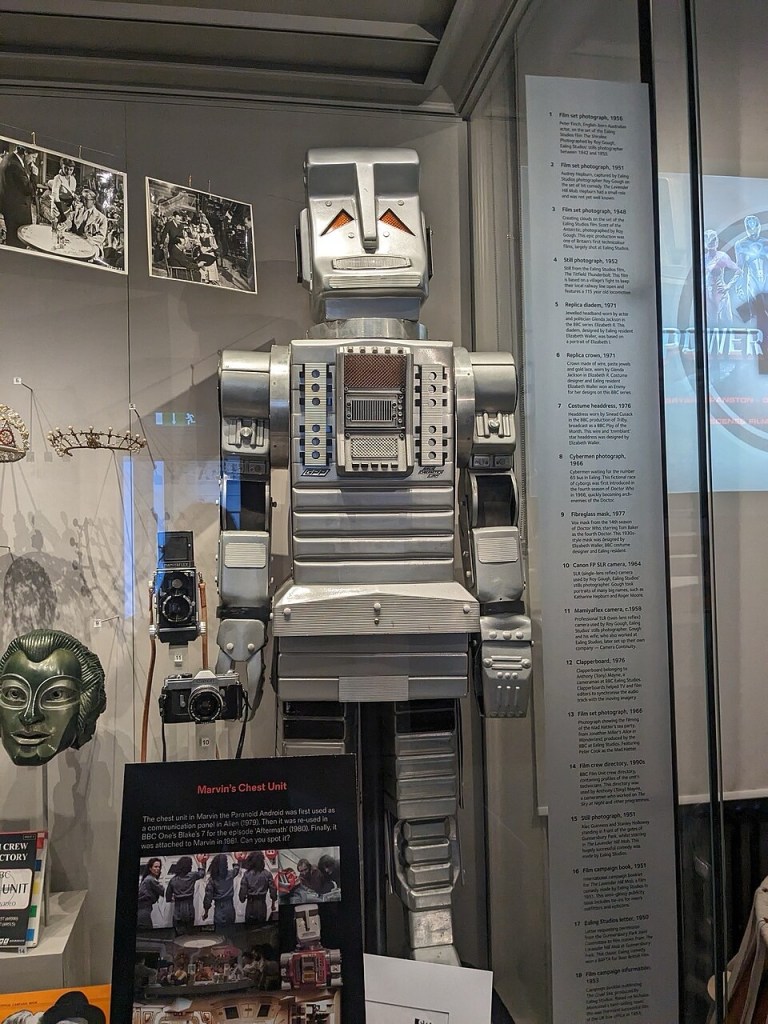
In what decade was the first science fiction television programme broadcast?
Answer: 1930s.
The first known science fiction television programme was produced by the BBC’s pre-war television service in Great Britain. On 11 February 1938, a 35-minute adapted extract of the play R.U.R., written by the Czech playwright Karel Čapek, was broadcast live from the BBC’s Alexandra Palace studios. Concerning a future world in which robots rise up against their human masters, it was the only piece of science fiction to be produced before the television service was suspended for the duration of the war. Today’s post title is a hint towards this play, using the same initials, but the play’s ‘R.U.R.’ stands for Rossumovi Univerzální Roboti—Rossum’s Universal Robots—and not Really Useful Robots.
Two
On this day in 1929, a treaty was signed recognising papal sovereignty over Vatican City. What was the treaty’s name and who was the Italian signatory?
Answer: Lateran Treaty; Benito Mussolini.
The Lateran Treaty of 1929 established Vatican City as an independent state and settled the Roman question between Italy and the Holy See. The treaty was named after the Lateran Palace where it was signed on 11 February 1929. It was revised in 1984, ending Catholicism as Italy’s sole state religion.
Three
Today marks the traditional date for Jimmu’s founding of which country’s empire in 660 BCE?
Answer: Japan.
Emperor Jimmu, the legendary first emperor of Japan, is said to have ascended the throne in 660 BCE. His story, recounted in the Nihon Shoki and Kojiki, involves a divine lineage from the sun goddess Amaterasu and a military expedition from Kyushu to Yamato. While his existence is debated by scholars, Jimmu’s legacy endures as a symbol of Japan’s imperial lineage and is celebrated annually on February 11th as National Foundation Day.
Four
In 1858, 14-year-old Mademoiselle Soubirous had visions of the Virgin Mary. Where did this occur, and what was Mademoiselle Soubirous’s first name?
Answer: Lourdes, France; Bernadette.
In February 1858, 14-year-old Bernadette Soubirous reported seeing visions of a ‘small young lady’ at the grotto of Massabielle in Lourdes, later believed to be the Virgin Mary. The apparitions, which continued daily for two weeks despite scepticism from local authorities and clergy, including Father Peyramale, instructed Bernadette to perform acts of penance. On 25 March, Bernadette claimed the Virgin revealed herself as the ‘Immaculate Conception’, prompting further investigation and increasing pilgrimages. The growing number of witnesses to Bernadette’s visions led to widespread attention and speculation.
Five
On this date, and in what year did the World Health Organisation officially name the coronavirus outbreak COVID-19? And up to February 2026, to the nearest million, how many people have died from COVID-19?
Answer: 2020; 7 million.
The COVID-19 pandemic has resulted in an estimated 7.1 million confirmed deaths worldwide. Estimates indicate that the total number of deaths could range from 19.1 to 36 million.
In what decade was the first science fiction television programme broadcast?
Two
On this day in 1929, a treaty was signed recognising papal sovereignty over Vatican City. What was the treaty’s name and who was the Italian signatory?
Three
Today marks the traditional date for Jimmu’s founding of which country’s empire in 660 BCE?
Four
In 1858, 14-year-old Mademoiselle Soubirous had visions of the Virgin Mary. Where did this occur, and what was Mademoiselle Soubirous’s first name?
Five
On this date, and in what year did the World Health Organisation officially name the coronavirus outbreak COVID-19? And up to February 2026, to the nearest million, how many people have died from COVID-19?
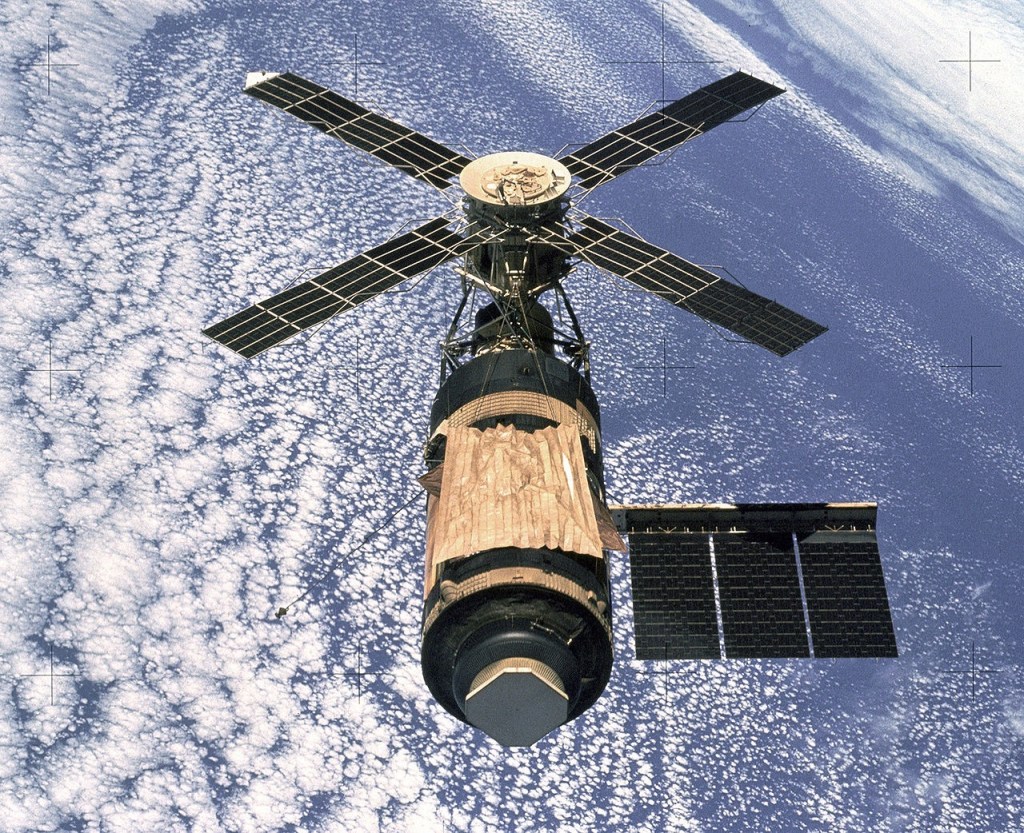
The US space station launched in 1973 and operational until 1974 ceased operations on this date. What was its name and how many weeks was it occupied?
Answer: Skylab; 24 weeks.
Skylab, the first U.S. space station, was launched in 1973 and constructed from a repurposed Saturn V stage. It hosted three crews for missions lasting 28, 59, and 84 days, conducting research on human adaptation to space, solar studies, and Earth observations. Skylab’s use came to an end after 171 days and it disintegrated in 1979 due to faster-than-expected orbital decay resulting in debris coming down in the Indian Ocean and Western Australia.
Two
Who was executed on this date in 1587, as a suspect in the Babington Plot to murder England’s Queen Elizabeth I?
Answer: Mary, Queen of Scots.
Mary, Queen of Scots, was executed at Fotheringhay Castle, England. Her execution was notoriously botched, requiring multiple blows to sever her head. Despite appearing uninvolved, Elizabeth I faced significant backlash for the event and refused Mary’s request for a Catholic burial. A controversial figure throughout her life, she remains the subject of historical debate and public fascination.
Three
What film, which premiered in 1915, was hailed for its technical and dramatic innovations but condemned for its overt racism and positive portrayal of the Ku Klux Klan?
Answer: The Birth of a Nation.
The Birth of a Nation (1915), a silent film starring Lillian Gish, was a groundbreaking Hollywood blockbuster. While praised for its technical and dramatic innovations, it was also criticised for its racist portrayal of the Ku Klux Klan.
Four
In what decade did Sandford Fleming propose at the Royal Canadian Institute the adoption of Universal Standard Time?
Answer: 1870s.
In 1879, Fleming proposed a single 24-hour clock for the world, with 24 time zones based on the Greenwich meridian. His system, initially linked to the Greenwich meridian, was later revised to use the anti-meridian. Although the International Meridian Conference adopted the Greenwich Meridian, it rejected Fleming’s time zones.
Five
In the biographical film Iris, both Kate Winslet and Judith Dench portrayed the title character. Who was the real Iris?
Answer: Iris Murdoch.
Iris Murdoch (1919-1999) was a British novelist and philosopher known for her psychological novels with philosophical and comic elements. Her works, characterised by convoluted plots and realistic observations of 20th-century life, explore the influence of the unconscious mind and societal forces on human behaviour. Murdoch’s novels, plays, verse and philosophical works continue to be celebrated for their intelligence, wit, and high seriousness.
The US space station launched in 1973 and operational until 1974 ceased operations on this date. What was its name and how many weeks was it occupied?
Two
Who was executed on this date in 1587, as a suspect in the Babington Plot to murder England’s Queen Elizabeth I?
Three
What film, which premiered in 1915, was hailed for its technical and dramatic innovations but condemned for its overt racism and positive portrayal of the Ku Klux Klan?
Four
In what decade did Sandford Fleming propose at the Royal Canadian Institute the adoption of Universal Standard Time?
Five
In the biographical film Iris, both Kate Winslet and Judith Dench portrayed the title character. Who was the real Iris?
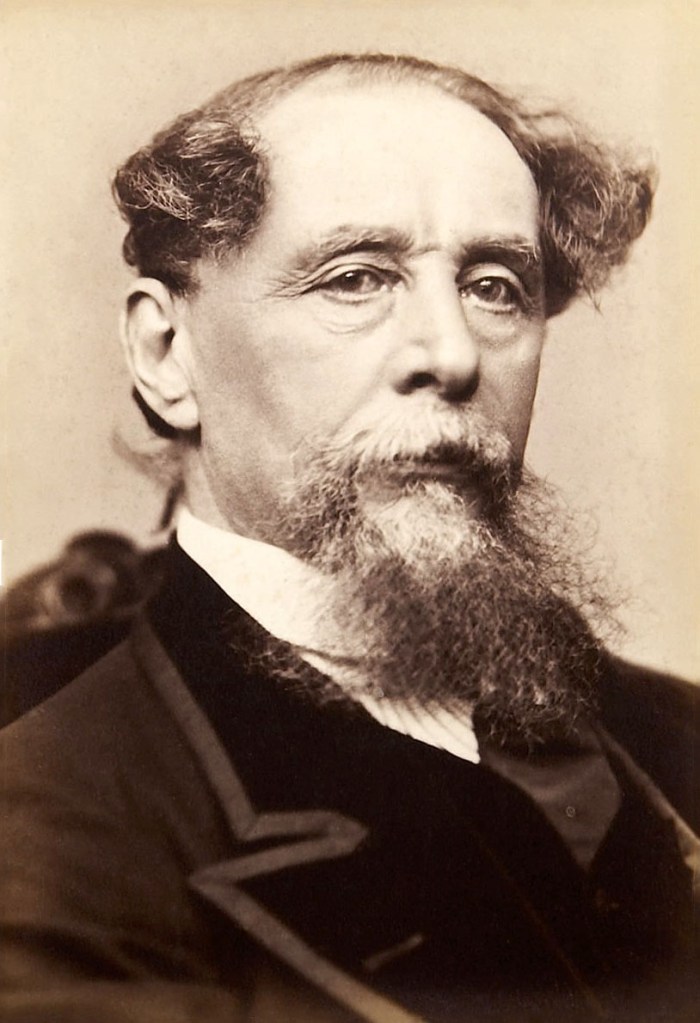
British novelist Charles Dickens was born on this day in 1812. But what does the word ‘Dickens’ refer to in the phrase ‘What the dickens’?
Answer: Devil.
dickens /ˈdɪkɪnz / noun [in singular] informal, dated used for emphasis, or to express annoyance or surprise when asking questions: what the dickens is going on? they work like the dickens. – ORIGIN late 16th century: a euphemism for ‘devil’, probably a use of the surname Dickens. — Oxford English Dictionary
Two
After the death of King Hussein in 1999, his son Abdullah II became king in what country, and what countries border it?
Answer: Jordan; (bordering countries are) Iraq, Israel, Saudi Arabia, Syria, West Bank.
Syria is to the north; Iraq to the east; Saudi Arabia to the southeast and south; Israel to the west; and the West Bank to the west. There is also a maritime border with Egypt on the Gulf of Aqaba to the south.
Three
On this day, Michael Romanov became Tsar of Russia as Michael I and founded the Romanov dynasty. In what century was it founded? In what year did it end, and who was the last Tsar?
Answer: 17th century. 1917 and Nicholas II
Michael Romanov, elected Tsar of Russia in 1613 at age 16, initially relied on his mother’s relatives to restore order. His father, Philaret, returned from Polish captivity in 1619, becoming co-ruler and patriarch, and significantly influencing the government until his death in 1633. Michael’s reign (1613-1645) saw increased European contact, financial reforms, and the strengthening of serfdom. The dynasty ended with the Russian Revolution of 1917 when Nicholas II abdicated and, with his family, was later executed.
Four
The Beatles arrived in the United States for the first time on this day in 1964 in what the press named the ‘British Invasion’. What single gave the Beatles their first Billboard Hot 100 number one?
Answer: I Want to Hold Your Hand.
It became the Beatles’ first US number-one single when it topped the Billboard Hot 100 in February 1964, kicking off full-blown Beatlemania in America. They held the number one spot for a then-record fourteen straight weeks, from February 1st through May 2nd, and on April 4th, the Beatles held the top five positions in the Hot 100 simultaneously.
Five
Walt Disney’s Pinocchio premiered in 1940. Who wrote the novel it was based on?
Answer: Carlo Collodi.
Pinocchio, a 1940 Disney animated film, follows the adventures of a wooden puppet who becomes a real boy. The film is renowned for its animation, storytelling, and music. The film won two Academy Awards: Best Original Score and Best Original Song for When You Wish Upon a Star. This made it the first Disney film to win either category.
British novelist Charles Dickens was born on this day in 1812. But what does the word ‘Dickens’ refer to in the phrase ‘What the dickens’?
Two
After the death of King Hussein in 1999, his son Abdullah II became king in what country, and what countries border it?
Three
On this day, Michael Romanov became Tsar of Russia as Michael I and founded the Romanov dynasty. In what century was it founded? In what year did it end, and who was the last Tsar?
Four
The Beatles arrived in the United States for the first time on this day in 1964 in what the press named the ‘British Invasion’. What single gave the Beatles their first Billboard Hot 100 number one?
Five
Walt Disney’s Pinocchio premiered in 1940. Who wrote the novel it was based on?
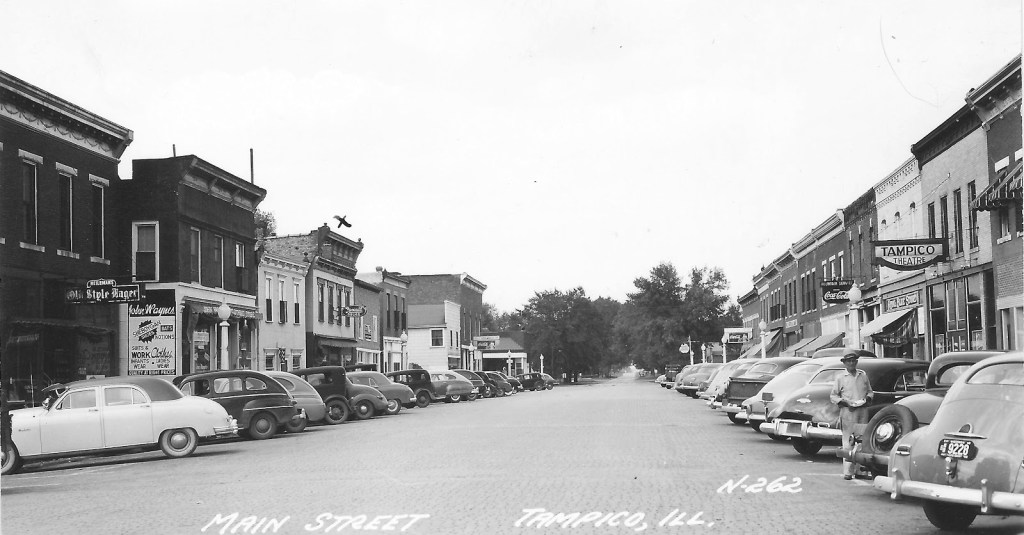
An American actor and politician born in Tampico, Illinois, in 1911. After Eureka College, he became a radio sports broadcaster in Iowa. He was actively involved with labour unions before getting into politics. He died in 2004. Who is he?
Answer: Ronald Reagan
Ronald Reagan, the 40th President of the United States, served from 1981 to 1989. His presidency was marked by significant economic policies, including tax cuts and increased defence spending, known as ‘Reaganomics’. While proponents highlight his accomplishments in economic growth and ending the Cold War, opponents criticise his policies for increasing the national debt and cutting social services.
Two
In 1694, Dandara, the warrior queen and leader of the runaway slaves Quilombo dos Palmares in Brazil, was captured and chose suicide over a return to slavery. What English seven-letter word, derived from Spanish cimarrón meaning ‘wild’, did European slavers use to describe these escaped slaves?
Answer: Maroons
In Brazil the Africans set up settlements known as Quilombos. The most famous of such settlements was Quilombo dos Palmares, in the northeastern part of Brazil. It functioned successfully as an independent republic of the maroons in the 17th century, following an African pattern of social organization. At its apex, it was the home and refuge of some 20,000 African men, women, and children who had managed to escape the dreadful experience of plantation life. — Encyclopædia Britannica
Three
In the mid-20th century, this person became ruler on the death of their father, who himself had not expected to hold the post. They remained in this role for an astonishing 25,782 days?
Answer: Elizabeth II of the United Kingdom.
Her father, George VI, came to the throne on the abdication of his brother Edward VIII. Elizabeth II, Queen of the United Kingdom and other Commonwealth realms, reigned for 70 years and 214 days, the longest of any British monarch. Born in 1926, she became queen in 1952 and witnessed significant political changes, including the UK’s accession and withdrawal from the European Communities. Despite occasional republican sentiment and media criticism, her popularity remained high throughout her reign.
Four
Born in Munich, Germany, in 1912, this woman met in 1929 the man who became Chancellor of Germany a few years later. She married him in 1945. She died in Berlin, Germany, aged 33. Who was she?
Answer: Eva Braun
Eva Braun, was Adolf Hitler’s longtime companion and briefly his wife. She lived with him from 1930 until their deaths in 1945, when they died by suicide in the Führerbunker as the war ended.
Five
This monarch ruled England, Scotland and Ireland from 1702 to 1707 and then Great Britain and Ireland until their death in 1714, which marked the end of a dynasty. Who was this monarch?
Answer: Queen Anne.
The Union of the Crowns in 1707 united the Kingdoms of England and Scotland into the Kingdom of Great Britain. Anne, the last Stuart monarch, ruled Great Britain and Ireland from 1702 to 1714. She favoured moderate Tory politicians and experienced estrangement from her sister Mary and friend Sarah Churchill. Despite 17 pregnancies, Anne died childless, marking the end of the House of Stuart and leading to the succession of George I of the House of Hanover.
An American actor and politician born in Tampico, Illinois, in 1911. After Eureka College, he became a radio sports broadcaster in Iowa. He was actively involved with labour unions before getting into politics. He died in 2004. Who is he?
Two
In 1694, Dandara, the warrior queen and leader of the runaway slaves Quilombo dos Palmares in Brazil, was captured and chose suicide over a return to slavery. What English seven-letter word, derived from Spanish cimarrón meaning ‘wild’, did European slavers use to describe these escaped slaves?
Three
In the mid-20th century, this person became ruler on the death of their father, who himself had not expected to hold the post. They remained in this role for an astonishing 25,782 days?
Four
Born in Munich, Germany, in 1912, this woman met in 1929 the man who became Chancellor of Germany a few years later. She married him in 1945. She died in Berlin, Germany, aged 33. Who was she?
Five
This monarch ruled England, Scotland and Ireland from 1702 to 1707 and then Great Britain and Ireland until their death in 1714, which marked the end of a dynasty. Who was this monarch?
Here are the answers to the questions i posted earlier.
These questions all relate to today’s date, February 5th. Each question has a year or decade as the first part of the answer, followed by a supplementary question.
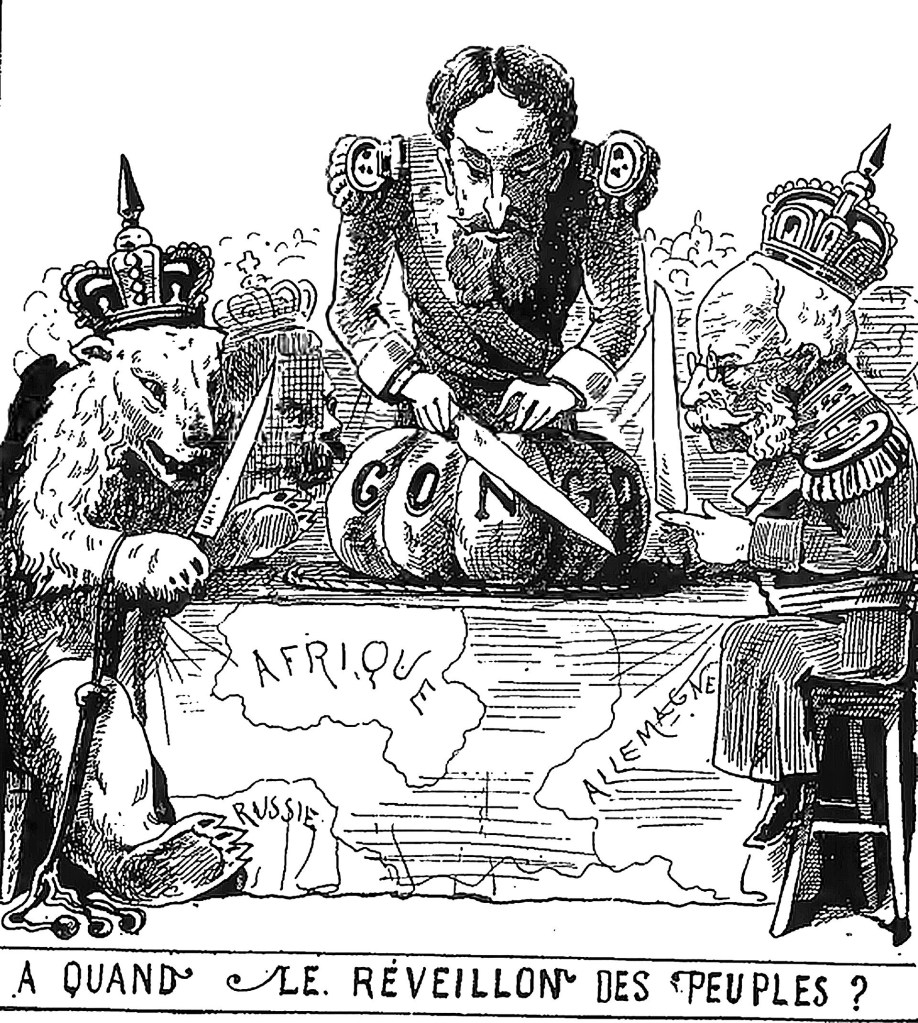
Cartoon depicting Leopold II and other imperial powers at the Berlin Conference of 1884. Image Wikimedia Commons
One
In what decade did a European monarch establish the Congo Free State in West Africa? Who was the monarch, and what was the European country?
Answer: 1880s; Leopold II and Belgium
Belgian King Leopold II established the Congo Free State in 1885, seizing the land as his personal possession. His brutal reign, characterised by forced labour and widespread atrocities, led to international condemnation and the eventual transfer of control to Belgium in 1908.
Two
On this day in what year did Apollo 14 land on the Moon, and name any one of the three astronauts who flew on that mission or all three if you can?
Answer: 1971; Alan B. Shepard Jr., Stuart A. Roosa or Edgar D. Mitchell
Apollo 14, the third lunar landing, successfully landed in the Fra Mauro formation after overcoming malfunctions. Shepard and Mitchell collected Moon rocks and deployed experiments, while Roosa orbited the Moon.
Three
On this day, the New Hermitage Museum opened in Russia. In what decade did it open, and what—at that time—was the name of the city it is located in?
Answer: 1850s; Saint Petersburg
The New Hermitage Museum, part of the larger Hermitage Museum complex in St. Petersburg, was reconstructed between 1840 and 1852 and opened to the public in 1852. The museum is housed within five interconnected buildings, including the Winter Palace and the Small, Old and New Hermitages. The city was founded by Peter the Great in 1703 and named St. Petersburg, which it stayed until 1914 when it became Petrograd to reflect Russian patriotism during World War I by avoiding the German-sounding ‘Petersburg’. In 1924, the name changed to Leningrad in honour of Vladimir Lenin after his death, which it was until 1991 when the city’s population voted to return to the original name.
Four
United Artists, the American film production company, was founded on this day in what decade? Secondly, name any two of the four founders?
Answer: 1910s; Charlie Chaplin, Mary Pickford, Douglas Fairbanks and D. W. Griffith.
United Artists, founded in 1919, was established to allow actors more control over their own affairs. It was acquired by MGM in 1981 and later revived as United Artists Releasing in 2019. However, Amazon, MGM’s parent company, folded UAR into MGM in 2023. On 26 July 2024, Amazon MGM Studios announced the company’s revival.
Five
The creation of the first synthetic plastic was announced on this date. In what decade was this announcement made, and what was the name of this synthetic plastic?
Answer: 1900s; Bakelite
Leo Hendrik Baekeland, a Belgian chemist, invented Velox photographic paper and Bakelite, a versatile plastic, earning him the title ‘The Father of the Plastics Industry’. Bakelite, developed in 1907, became a commercial success due to its mouldability, heat resistance, and electrical nonconductivity. Its creation revolutionised the chemical industry and inspired the development of other synthetic plastics.

 Quizology Online