The first question relates to today’s date, April 12th, and the answer begins with the letter ‘V. The remaining questions are not date-related but follow the ‘V’ theme.
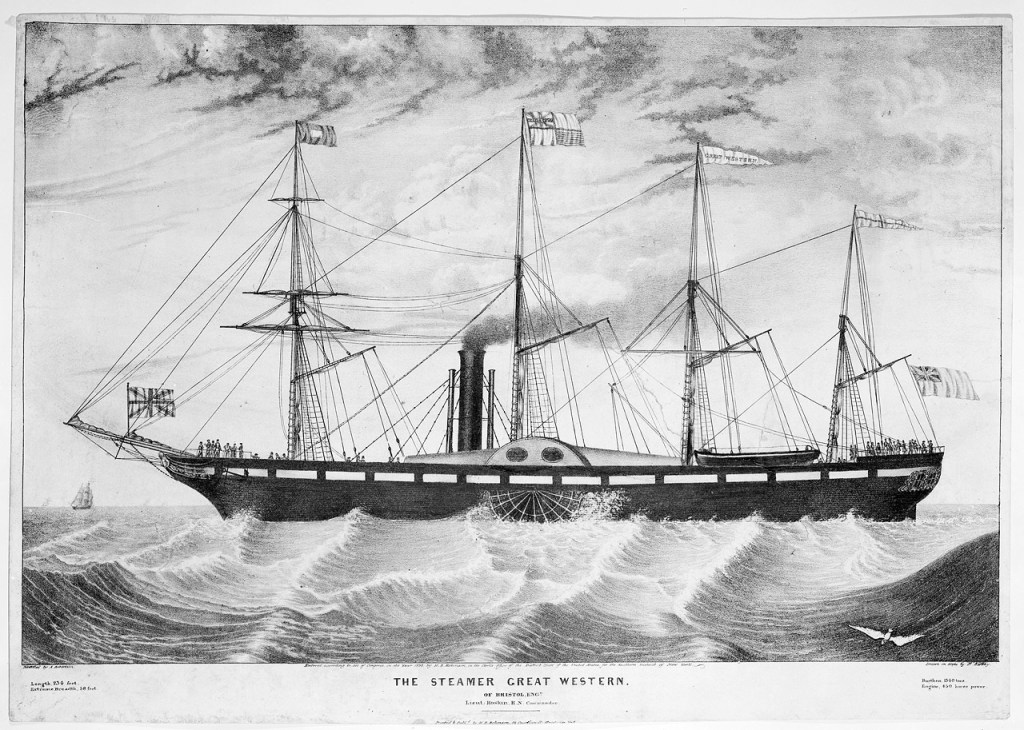
In 1838, the SS Great Western, the earliest regular and first purpose-built transatlantic steamer, embarked on its first transatlantic voyage. Between what U.K. and U.S. ports did she sail on this voyage?
Answer: Bristol, U.K. to New York City, U.S.
SS Great Western, a wooden-hulled paddle-wheel steamship designed by Isambard Kingdom Brunel, was the largest passenger ship in the world from 1837 to 1839. Her maiden transatlantic voyage took 15 days, which was half the time taken by sailing ships. She served as a model for successful wooden Atlantic paddle-steamers and was scrapped in 1856 after serving as a troopship during the Crimean War.
Two
Born in 1938, who was the first Secretary-General of the United Nations to be elected from within UN staff?
Answer: Kofi Annan.
Kofi Annan, a Ghanaian diplomat and civil servant, served as the seventh Secretary-General of the United Nations from 1997 to 2006. He was the first Secretary-General elected from within the UN staff and shared the Nobel Peace Prize in 2001. After his tenure, Annan founded the Kofi Annan Foundation, was chairman of the Elders, and served as a UN envoy for various conflicts.
Three
On this date in Japan, the birth of Buddha is celebrated. In what century was Buddhism founded?
Answer: 6th or 5th centuries BCE.
Siddhartha Gautama, known as the Buddha, was a religious teacher who founded Buddhism in the 6th or 5th century BCE. He taught a Middle Way between indulgence and asceticism, summarised in the Four Noble Truths and the Noble Eightfold Path. Buddhism evolved into various traditions and spread beyond India, becoming prominent in Southeast and East Asia. Buddha, an enlightened being who achieved freedom from suffering, is celebrated by Buddhists for events in his life, including his birth, enlightenment, and nirvana, with festivals like Wesak and Hanamatsuri.
Four
In 2014, Windows XP reached its ‘End of Life’ and would not be supported. What product released in 2007 was the successor to Windows XP?
Answer: Windows Vista.
Windows XP, released in 2001, was the first consumer edition of Windows not based on the Windows 95 kernel. A successor to both Windows 2000 and Windows Me, it received critical acclaim for its performance, stability, and user interface.
Five
Born in 1902, this British mountaineer and his climbing partner vanished near the summit of Mount Everest during the 1924 British expedition. Who were these two mountaineers?
Answer: Andrew Irvine and George Mallory.
Andrew ‘Sandy’ Irvine was the British mountaineer born on this day. He participated in the 1924 British Mount Everest expedition, the third British attempt to conquer the world’s highest mountain. Irvine and his climbing partner, George Mallory, vanished somewhere high on the mountain’s Northeast Ridge and were last seen alive at an uncertain distance from the summit. Mallory’s body was discovered in 1999, while Irvine’s partial remains were found in 2024. To this day, it is not known if they reached the summit or not.
In 1838, the SS Great Western, the earliest regular and first purpose-built transatlantic steamer, embarked on its first transatlantic voyage. Between what U.K. and U.S. ports did she sail on this voyage?
Two
Born in 1938, who was the first Secretary-General of the United Nations to be elected from within UN staff?
Three
On this date in Japan, the birth of Buddha is celebrated. In what century was Buddhism founded?
Four
In 2014, Windows XP reached its ‘End of Life’ and would not be supported. What product released in 2007 was the successor to Windows XP?
Five
Born in 1902, this British mountaineer and his climbing partner vanished near the summit of Mount Everest during the 1924 British expedition. Who were these two mountaineers?
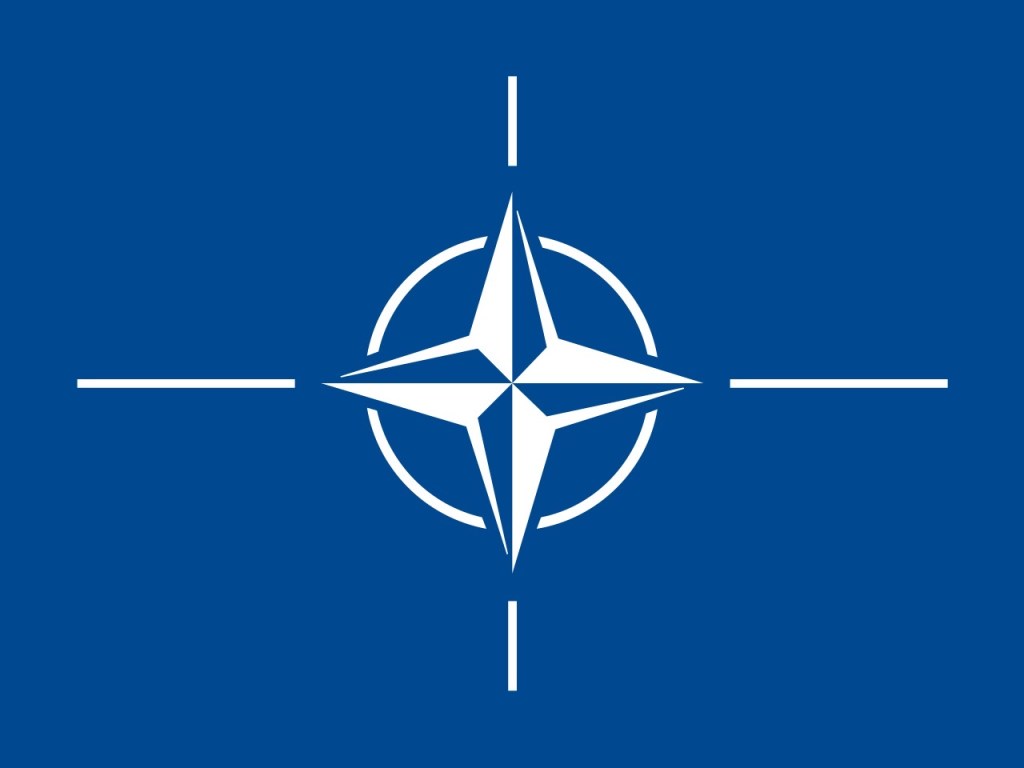
Established in 1949, the organisation represented by this flag originally had twelve members including the United Kingdom, France, the United States and Canada. Name the organisation and four of the remaining eight founding members?
Answer: (any four from) Belgium, Denmark, Iceland, Italy, Luxembourg, the Netherlands, Norway, Portugal.
In 1949, the original twelve members of NATO (North Atlantic Treaty Organisation) were Belgium, Canada, Denmark, France, Iceland, Italy, Luxembourg, the Netherlands, Norway, Portugal, the United Kingdom and the United States.
Two
The following quote is from the Encyclopædia Britannica article on the film Ben-Hur, which in 1960 became the first film to win eleven Oscars. A number has been removed from the quote. What, to the nearest thousand, is that number?
The famed chariot race is considered among cinema’s most-impressive action sequences, not least because it featured up to —— extras.
Answer: 15,000.
On this day in 1960, Ben-Hur won eleven Oscars at the 32nd Academy Awards. The referenced quote in its entirety is…
The famed chariot race is considered among cinema’s most-impressive action sequences, not least because it featured up to 15,000 extras. — Encyclopædia Britannica
Three
In 1925, the Schutzstaffel was founded by Adolf Hitler’s Nazi Party in Germany. What is it better known as?
Answer: SS.
The Schutzstaffel, ‘protection squad’, originally a small bodyguard unit of the Nazi Party, evolved into a formidable organisation under Heinrich Himmler. By 1939, it had grown to around 250,000 men, controlling police forces and expanding its role to become a state within a state. As a powerful paramilitary group in Nazi Germany, The SS was responsible for security, mass surveillance, and state terrorism, playing a central role in the Holocaust and committing numerous war crimes and crimes against humanity. It was declared a criminal organisation at the Nuremberg trials.
Four
Born in Perth, Australia, in 1979, this actor was posthumously awarded the Oscar for Best Actor in a Supporting Role at the 81st Academy Awards?
Answer: Heath Ledger.
At the 81st Academy Awards Heath Ledger won the Oscar for the Best Actor in a Supporting Role for his part as The Joker in The Dark Knight (2008). In January 2008, Ledger died from an accidental overdose of prescription drugs.
Five
When William Henry Harrison died who succeeded him as the President of the United States?
Answer: John Tyler.
Harrison died a month after his inauguration. At 67 he was the oldest man to be elected president (at that time); the last to be born under British rule and the first to die in office. He was succeeded by his vice president John Tyler who became known as ‘His Accidency’ — which gave me a title for this post.
These questions all concern today’s date, April 4th.
Image Wikimedia Commons
One
Established in 1949, the organisation represented by this flag originally had twelve members including the United Kingdom, France, the United States and Canada. Name the organisation and four of the remaining eight founding members?
Two
The following quote is from the Encyclopædia Britannica article on the film Ben-Hur, which in 1960 became the first film to win eleven Oscars. A number has been removed from the quote. What, to the nearest thousand, is that number?
The famed chariot race is considered among cinema’s most-impressive action sequences, not least because it featured up to — extras.
Three
In 1925, the Schutzstaffel was founded by Adolf Hitler’s Nazi Party in Germany. What is it better known as?
Four
Born in Perth, Australia, in 1979, this actor was posthumously awarded the Oscar for Best Actor in a Supporting Role at the 81st Academy Awards?
Five
When William Henry Harrison died who succeeded him as the President of the United States?
Here are five questions that are related to today’s date, April 3rd. There is also a bonus question at the end.
One
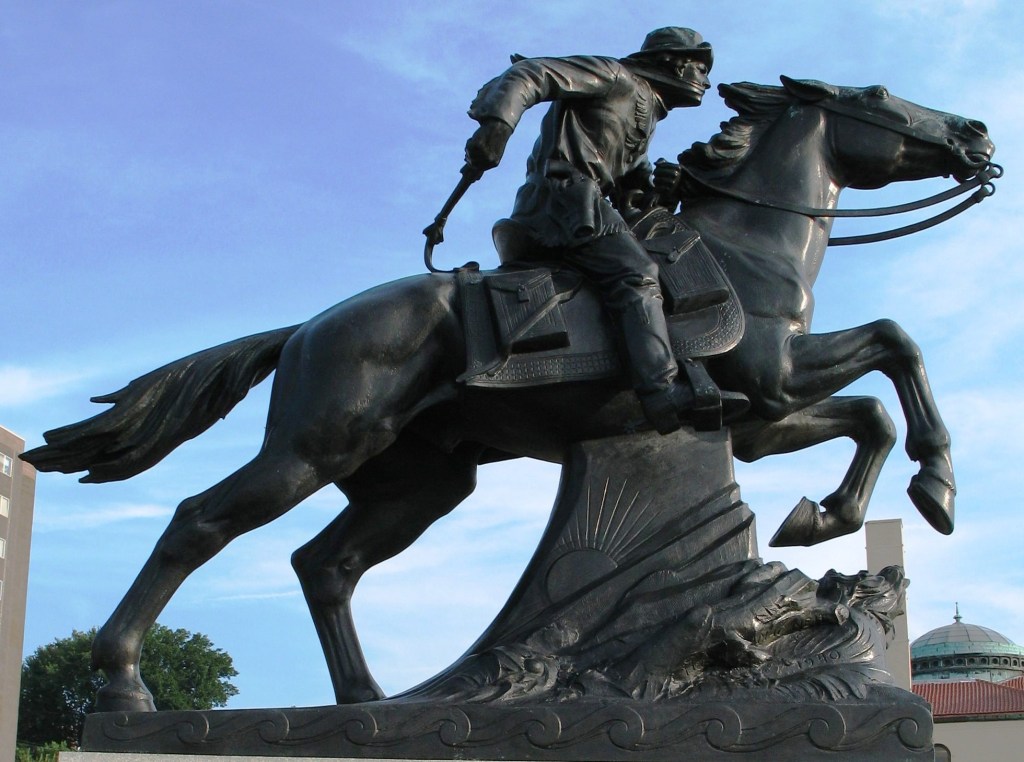
The United States Pony Express, inaugurated in 1860, commenced its first run from one city to another. Can you name both cities in the order of travel of this first run?
Answer: St. Joseph, Missouri to Sacramento, California.
The Pony Express was a mail delivery system that operated between St. Joseph, Missouri, and Sacramento, California, from April 1860 to October 1861. Utilising horse-and-rider relays, the service significantly reduced mail delivery time from 24 days to about 10 days. Despite its efficiency, the Pony Express was a costly venture and ceased operations with the completion of the transcontinental telegraph system.
Two
On this day the first flight over Mount Everest took place. In what decade did this occur?
Answer: 1930s.
In April 1933, two Westland aircraft piloted by Lord Clydesdale and David McIntyre, with observers Stewart Blacker and Sidney Bonnett, became the first to fly over Mount Everest. The expedition, funded by Lucy, Lady Houston, aimed to promote British aviation and gather information for a planned summit attempt. Despite challenges with oxygen supply and weather conditions, the team successfully completed the flight, capturing valuable photographs of the terrain.
Three
The first public handheld mobile (cellular) phone call was made on this day. In what year did this occur and what telecommunications company made the call?
Answer: 1973; Motorola.
Motorola’s Martin Cooper made the first handheld mobile phone call in 1973. The prototype, nicknamed ‘the Brick’, weighed 2 kilograms and offered 30 minutes of talk time.
Four
In 2007, a conventional-train world record was set by a TGV train. In what country was this record set, and to the nearest 5 mph (5 km/h) what was the record-setting speed achieved?
Answer: France; 355 mph (575 km/h).
In 2007, a French TGV train on the LGV Est high-speed line set a new world speed record, achieving 357.2 mph (574.8 km/h) or 159.6 m/s. This was part of Operation V150, a series of high-speed trials that culminated in the record-breaking speed on 3 April 2007. The top speed was reached near the village of Le Chemin, between the Meuse and Champagne-Ardenne TGV stations, where the most favourable profile exists, 12 minutes and 40 seconds after leaving Prény from a standstill, covering 71 km.
Five
Sir Robert Walpole is regarded as the first prime minister of Great Britain. In what decade did he assume this office?
Answer: 1720s.
The office of prime minister in Britain emerged in the 18th century, with Sir Robert Walpole recognised as the first de facto prime minister, serving from 1721 to 1742. Walpole’s financial expertise, peaceful foreign policy, and adept management of Parliament established his authority and set the foundation for the modern Cabinet system. However, he faced criticism for bribery and corruption and resigned following a failed war with Spain.
Ride ‘Em Cowboy
Today’s title alludes to the riders employed by the Pony Express but it was also the title of a 1942 comedy. What duo starred in it?
Answer: Abbott and Costello.
Bud Abbott and Lou Costello star as peanut vendors at a rodeo show who are forced to flee their boss, they hide on a train, and become cowboys on a dude ranch despite lacking experience whatever.
Here are five questions that are related to today’s date, April 3rd. There is also a bonus question at the end.
One
The United States Pony Express, inaugurated in 1860, commenced its first run from one city to another. Can you name both cities in the order of travel of this first run?
Two
On this day the first flight over Mount Everest took place. In what decade did this occur?
Three
The first public handheld mobile (cellular) phone call was made on this day. In what year did this occur and what telecommunications company made the call?
Four
In 2007, a conventional-train world record was set by a TGV train. In what country was this record set, and to the nearest 5 mph (5 km/h) what was the record-setting speed achieved?
Five
Sir Robert Walpole is regarded as the first prime minister of Great Britain. In what decade did he assume this office?
Ride ‘Em Cowboy
Today’s title alludes to the riders employed by the Pony Express but it was also the title of a 1942 comedy. What duo starred in it?
Here are the answers to my earlier posted questions.
Mario Andretti in the lead with Ronnie Petterson behind, 1978 Dutch GP. Image Wikimedia Commons
Five questions with the answers beginning with the letters from F to J —Foxtrot to Juliett — with each letter being used only once, but they are not in alphabetical order.
One
What one word can be all of these: a mythical creature which pulled Poseidon’s sea-chariot; an area of the human brain; and a genus of small marine bony fish?
Answer: Hippocampus.
The hippocampus, located in the temporal lobe and part of the limbic system, is essential for memory and spatial navigation and is one of the first areas affected in Alzheimer’s disease, causing memory loss and disorientation. In mythology, the hippocampus is a creature with a horse’s upper body and a fish’s lower body, often depicted with Poseidon, the god of the sea, driving a chariot drawn by hippocampi and accompanied by dolphins. The Romans associated it with Neptune, the sea god. Additionally, Hippocampus refers to a genus of 46 species of small marine bony fish, known as seahorses, which have a horse-like head, segmented bony armour, and a curled prehensile tail. Found in shallow coastal waters worldwide, seahorses belong to the family Syngnathidae, along with pipefishes and seadragons, and vary in size from 2 to 35 cm.
Two
Who was the next North American to win Formula 1’s World Championship, and be crowned World Drivers’ Champion, after Mario Andretti?
Answer: Jacques Villeneuve.
Mario Andretti, an American racing driver, competed in Formula One and IndyCar, winning numerous races and championships, including the 1978 F1 championship. Jacques Villeneuve, a Canadian racing driver, competed in IndyCar and Formula One. He won the 1997 Formula One World Drivers’ Championship and the 1995 IndyCar World Series and Indianapolis 500.
Three
In what television sitcom did characters have surnames beginning with the these letters: 3 x G plus 2 x B and 1 x T?
‘When I saw Finn waiting for me at the corner of the street, I knew at once that something had gone wrong.’ This is the opening line of a work by what author, and what was the work?
Answers: Iris Murdoch; Under the Net.
Irish-British novelist and philosopher Dame Jean Iris Murdoch, known for her works exploring good and evil, sexual relationships, morality, and the unconscious, won the Booker Prize for The Sea, The Sea and was made a Dame in 1987. Her first published novel, Under the Net, is a philosophical story about a struggling writer in London. The novel, dedicated to Raymond Queneau, was named one of the best English-language novels since 1923 by Time magazine.
Five
Which double-Oscar-winning actress became a UK Member of Parliament in 1992, and for what two films did she win Best Actress Oscars?
Answer: Glenda Jackson; Women in Love and A Touch of Class
Glenda Jackson (1936–2023) was a British actress and Labour Party politician. She was a member of the House of Commons from 1992 to 2015. Jackson won two Academy Awards for best actress, the first in 1970 for Women in Love and the second in 1973 for A Touch of Class. Other notable roles include her portrayals of Queen Elizabeth I in both the BBC television miniseries Elizabeth R (1971) and the film Mary, Queen of Scots (1971). After retiring from politics, Jackson returned to acting, earning a Tony Award in 2018 for her performance in Three Tall Women.
Post Title
Dancing a Foxtrot with Juliett
Juliett is spelled as it is in radio communications, as Wikipedia explains…
The spelling Juliett is used rather than Juliet for the benefit of French speakers, because they may otherwise treat a single final t as silent.
Mario Andretti in the lead with Ronnie Petterson behind, 1978 Dutch GP. Image Wikimedia Commons
Five questions with the answers beginning with the letters from F to J —Foxtrot to Juliett — with each letter being used only once, but they are not in alphabetical order.
One
What one word can be all of these: a mythical creature which pulled Poseidon’s sea-chariot; an area of the human brain; and a genus of small marine bony fish?
Two
Who was the next North American to win Formula 1’s World Championship, and be crowned World Drivers’ Champion, after Mario Andretti?
Three
In what television sitcom did characters have surnames beginning with the these letters: 3 x G plus 2 x B and 1 x T?
Four
‘When I saw Finn waiting for me at the corner of the street, I knew at once that something had gone wrong.’ This is the opening line of a work by what author, and what was the work?
Five
Which double-Oscar-winning actress became a UK Member of Parliament in 1992, and for what two films did she win Best Actress Oscars?
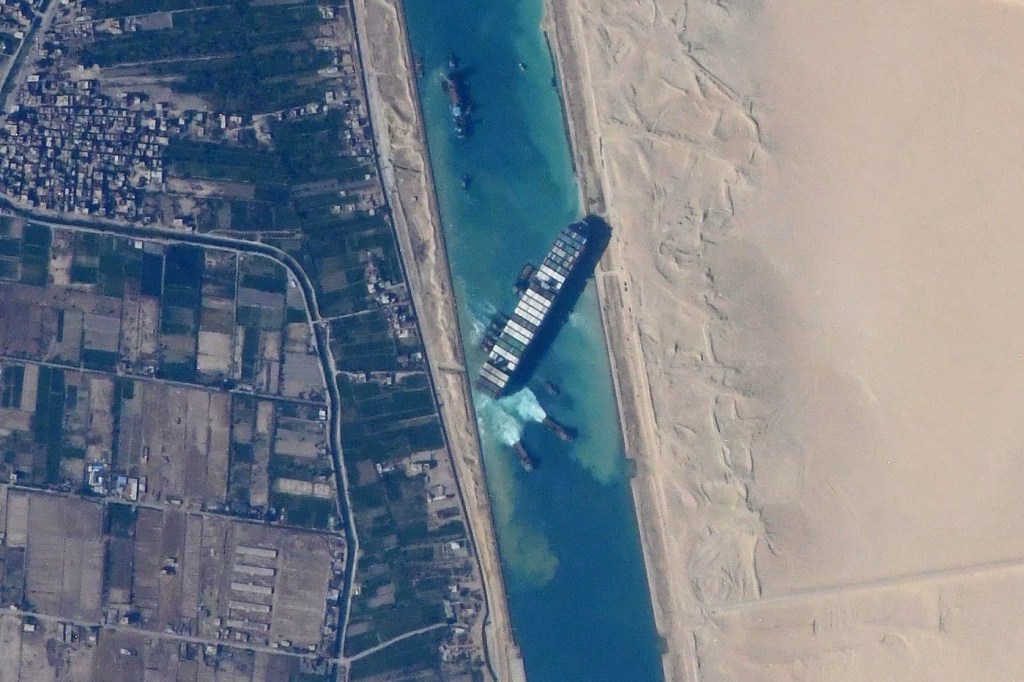
The Suez Canal was blocked for six days in 2021, when a container ship ran aground, see picture above. What was the name of the container ship?
Answer: Ever Given.
The Ever Given, a 400-metre-long vessel, blocked the Suez Canal on 23 March, disrupting global trade. After six days, the ship was freed, and shipping resumed. The Egyptian government impounded the vessel, seeking compensation, and a settlement was reached in July.
Two
What animals were retired from the U.S. Army in 1957 when it was decided that they were obsolete?
Answer: Pigeons.
During World War I, 10,000 messenger pigeon spots were filled, delivering messages where telegraph lines were vulnerable. Despite their service from the Spanish-American War to the Korean War, advances in communication technology made pigeons obsolete, leading to the end of pigeon service in 1956.
Three
In 1998, James Cameron’s Titanic won eleven Academy Awards. Which of these did it not win:
Best Actress
Best Director
Best Picture
Answer: 1. Best Actress.
James Cameron and Jon Landau Received the Oscar for the Best Picture, and Cameron was also the recipient for Best Director. Although nominated Kate Winslet did not win the Best Actress award which went to Helen Hunt for her role in As Good as it Gets.
Four
In 1956, the world’s first Islamic republic came into being. Currently the term is used in the names of three states: name those three countries?
Answer: Pakistan, Mauritania and Iran.
The term is currently used in the official name of three states – Pakistan, Mauritania, and Iran. Pakistan first adopted the title under the constitution of 1956. Mauritania adopted it on 28 November 1958. Iran adopted it after the 1979 Iranian Revolution that overthrew the Pahlavi dynasty. Despite having similar names, the countries differ greatly in their governments and laws. — Wikipedia (22/03/2026)
Five
In 1806, Lewis and Clark began their return journey to St. Louis, Missouri. Their return journey began from a position near to the mouth of what river?
Answer: Columbia River.
The Lewis and Clark Expedition, led by Captain Meriwether Lewis and Second Lieutenant William Clark, explored the newly acquired western US territory after the Louisiana Purchase. The expedition, which began in 1804 and ended in 1806, traversed the continent, reaching the Pacific Ocean near the mouth of the Columbia River, where they built Fort Clatsop. The fort became their winter encampment prior to heading back to St. Louis. The original fort was replaced with a replica, and the area is now the Lewis and Clark National Historical Park.

 Quizology.Online